

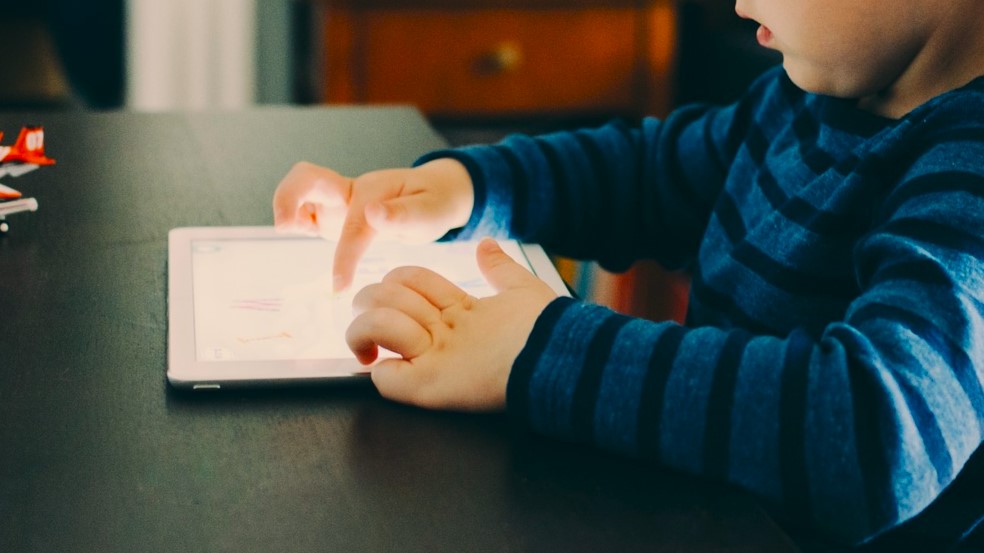

KUALA LUMPUR – Australia has become the first country in the world to enforce a social media ban for children under 16, with the legislation officially coming into force on Wednesday, December 10.
This landmark move represents a significant shift in global digital governance, potentially setting a new standard for how governments may regulate online activity to protect young users, Bernama reported.
Australian Prime Minister Anthony Albanese has called the measure crucial for ensuring “children have a childhood,” with federal laws now requiring social media platforms to take reasonable steps to block underage accounts.
The new law, the Online Safety Amendment (Social Media Minimum Age) Act 2024, was passed by the Australian Parliament in November 2024. Platforms covered by the ban include TikTok, Facebook, Instagram, Snapchat, X (formerly Twitter), Reddit, and YouTube.
Under the legislation, the responsibility for compliance lies entirely with technology companies, not parents or children. Companies that fail to enforce the age restriction face substantial fines of up to A$49.5 million (US$32 million). However, no penalties apply to minors who bypass the age restrictions or to their parents.
Exemptions to the ban
While mainstream social media platforms are included in the ban, several exemptions have been made to ensure young users retain access to essential services. Messaging apps such as WhatsApp and Messenger Kids, educational tools like Google Classroom and YouTube Kids, and online gaming platforms and mental health support services remain accessible.
The Australian government has stated that these measures are designed to mitigate the negative effects of social media on the mental health and development of young people.
The move has attracted global attention, with other nations closely monitoring its implementation and impact on digital safety. Major tech companies have already begun taking steps to comply. Reports suggest that Meta has started deactivating accounts of users under 16 on Instagram and Facebook earlier this week.
These platforms are expected to implement age-assurance technologies, such as artificial intelligence and facial-age estimation tools, to verify users and block those below the required age. Users attempting to access these platforms will now see notifications informing them that their accounts have been restricted or deactivated.
Malaysia’s approach under review
In a parallel move, Malaysia is laying the groundwork for a similar, and potentially stricter, social media ban set to take effect in 2026.
Communications Minister Datuk Fahmi Fadzil recently announced that his ministry is working with Datuk Seri Azalina Othman Said, the Minister in the Prime Minister’s Department for Law and Institutional Reform, to implement the Online Safety Act.
The Malaysian law would impose fines of up to RM10 million, although the ministry is still evaluating enforcement mechanisms, drawing on examples from countries like Australia.
Under Malaysia’s proposed legislation, social media platforms will be required to block account creation for users under 16 unless they can verify their age using government-issued identification.
As Malaysia refines its regulatory framework, the coming years will test how well these age-assurance models can balance safety, privacy, and accessibility for young users.
The developments in both Australia and Malaysia are expected to influence regional and global discussions on digital safety and privacy. – December 10, 2025