

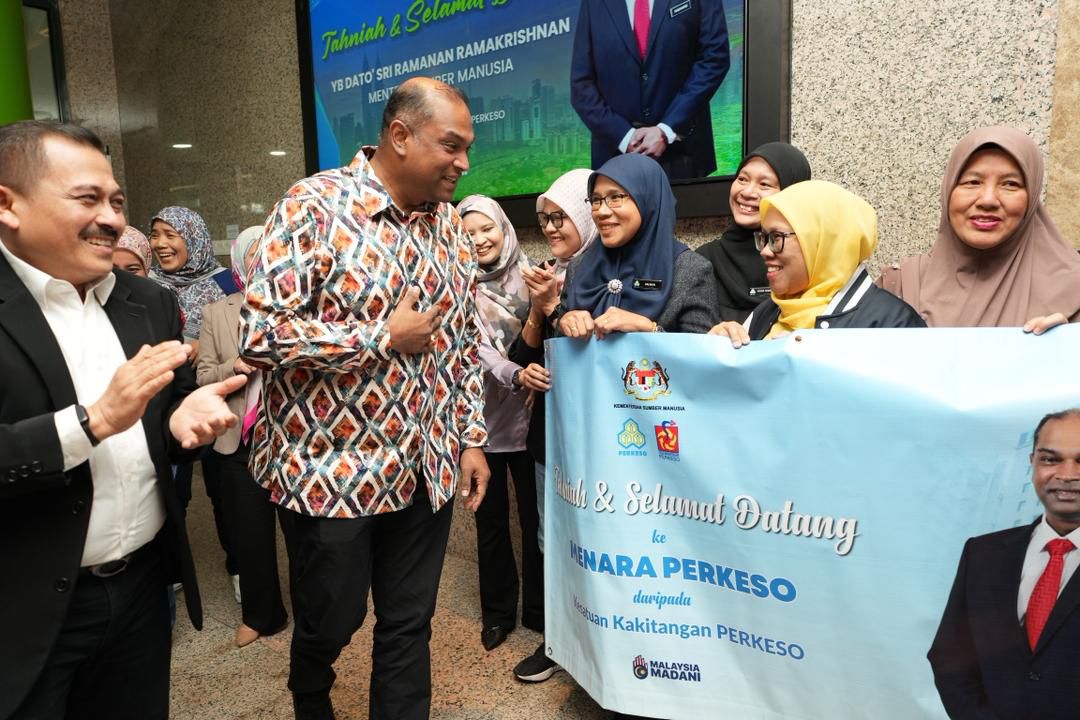
KUALA LUMPUR — Human Resources Minister Datuk Seri Ramanan Ramakrishnan today announced several major social protection reforms under the Social Security Organisation (Socso), including a move to allow all benefit applications to be submitted fully online starting January next year.
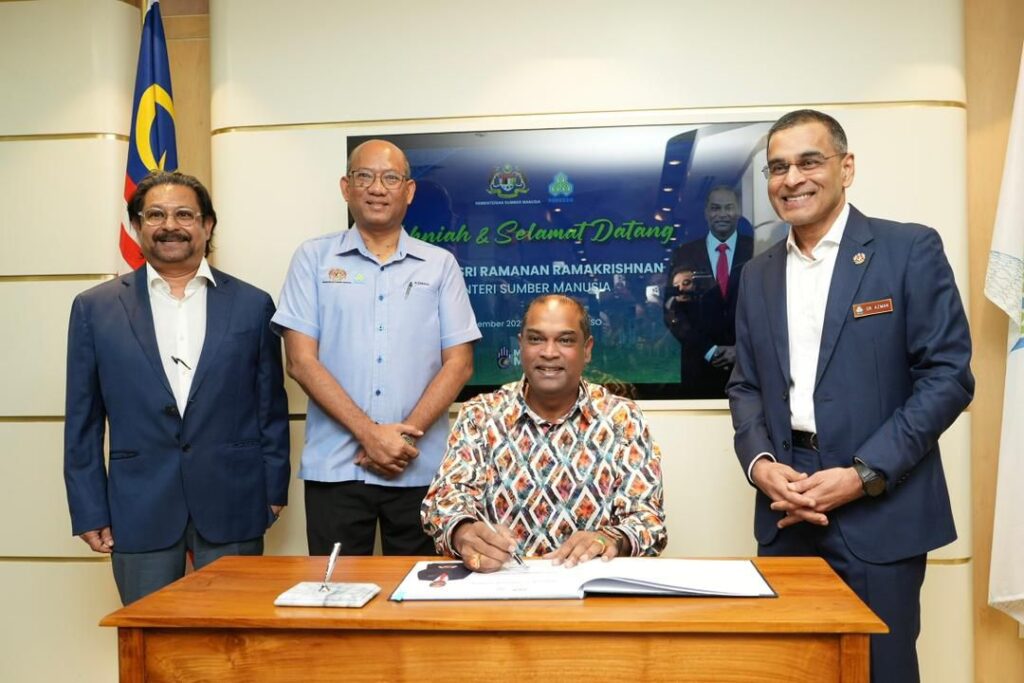
He made the announcement after his first official working visit to Menara Socso.
With this policy change, applications for benefits under the Employees Social Security Act 1969, Self-Employment Social Security Act 2017, Employment Insurance System Act 2017 and Housewives’ Social Security Act 2022 can be submitted digitally through the LINDUNG Faedah portal.
This will cover claims such as Permanent Disablement, Temporary Disablement, Invalidity Pension, Occupational Disease, Dependants’ Benefits and Survivors’ Pension.
“With more than 200,000 claims annually, this reform ensures ease for contributors and families without requiring them to physically visit Socso offices,” Ramanan told a press conference.
Also announced was a target to implement the 24-Hour Non-Employment Accident Scheme (LINDUNG 24 Jam) by the first or late second quarter of 2026.
In acknowledging the financial challenges faced by businesses, especially SMEs, Ramanan announced an 80 per cent reduction in Late Contribution Penalties (FCLB), effective immediately until the end of February 2026.
The ministry will also study a new “Traveller Scheme” next year to protect nearly 400,000 Malaysians who cross the Johor Causeway daily for work so they are not left out of social protection coverage.
Ramanan said Socso has strengthened its internal systems and administration to support these reforms, including preparations for the upcoming Gig Workers Bill 2025, which will make contributions for gig workers mandatory.
“Every policy must work on the ground, not just look good on paper,” he said.
Socso Group Chief Executive Officer Datuk Seri Dr Mohammed Azman Aziz Mohammed expressed confidence that the ministry’s new leadership will further strengthen Malaysia’s social protection agenda and ensure inclusive national resilience. — December 19, 2025