

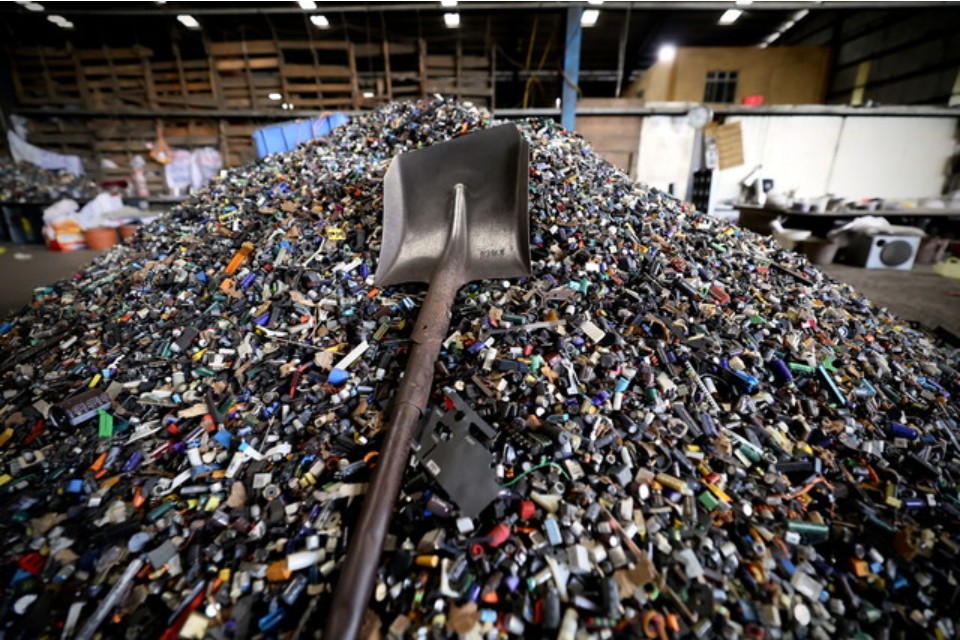
KUALA LUMPUR – Environmental groups have welcomed the government’s immediate ban on electronic waste imports, saying the policy must now be backed by firm enforcement to prevent Malaysia from becoming a dumping ground for hazardous waste.
Sahabat Alam Malaysia (SAM) and the Consumers’ Association of Penang (CAP) said the ban sends a clear signal that Malaysia will no longer tolerate illegal waste trafficking or environmental crime.
“These measures are necessary to protect the environment and public health, and to remind the world that Malaysia is not a dumping ground,” SAM and CAP said in a joint statement.
The government announced the ban yesterday following rising concerns over illegal shipments and unsafe recycling practices, after e-waste shipments were reclassified under the Customs (Prohibition of Imports) Order 2023.
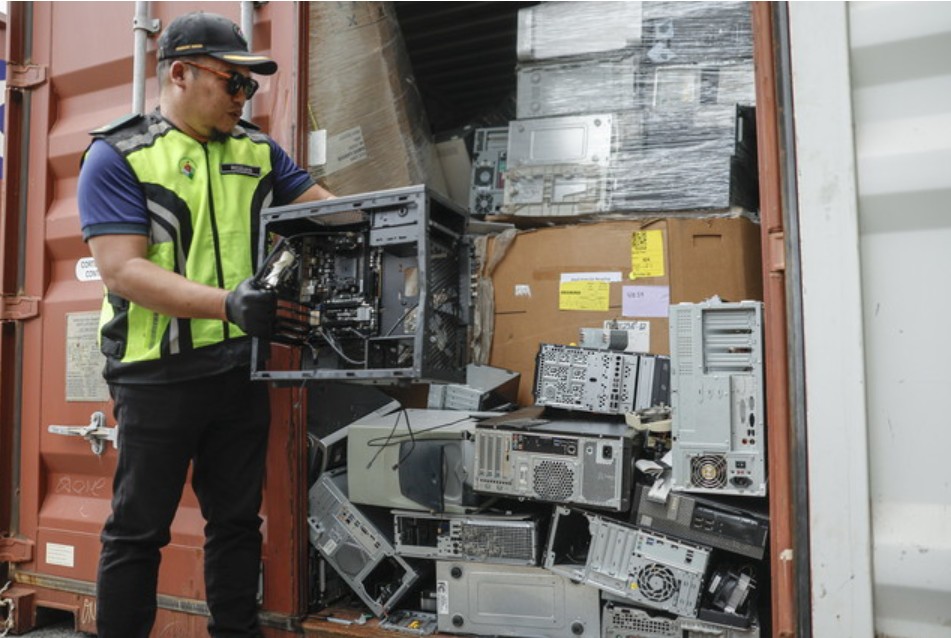
SAM and CAP noted that under the Basel Convention, industrialised countries are prohibited from dumping e-waste in developing nations, and that new 2025 rules require prior informed consent for all e-waste trade, not only items labelled as hazardous. Despite this, the groups said illegal shipments continue to enter Malaysia, often disguised as second-hand electronics, used electrical items, or mixed metal scrap.
Strong laws must be backed by strong enforcement
The groups stressed that legislation alone is not enough. Authorities must tighten border controls, strengthen customs procedures, conduct targeted inspections, tackle corruption, and ensure swift, transparent prosecution of offenders.
“The penalties for waste smuggling must reflect the scale of environmental and public health harm caused,” SAM and CAP said, adding that Malaysia’s guidelines on used electrical and electronic equipment should be reassessed to close loopholes exploited to import waste disguised as reusable goods.
Meanwhile, Basel Action Network (BAN) researcher Wong Pui Yi welcomed the ban but warned it was too early to tell if it would halt illegal shipments. She said enforcement challenges are compounded by the volume of containers passing through ports daily, and the pressure on officers to prevent prohibited goods without disrupting trade efficiency.
BAN highlighted the importance of the government’s new inter-agency task force, saying enforcement agencies need integrity, legal clarity, and adequate resources to succeed.
All three groups also called for improved domestic e-waste collection to ensure sufficient feedstock for licensed recycling facilities and compliance with environmental laws. SAM and CAP urged local authorities to act decisively against illegal factories and dumping sites, while BAN encouraged engagement with industry players to boost collection, regulate informal operators, and ensure e-waste is channelled only to licensed facilities.
“This ban is a positive and necessary step,” SAM and CAP said, stressing that it must be enforced decisively to protect Malaysia’s environment, communities, and future generations.— February 5, 2026