

KUALA LUMPUR — Malaysia is closely tracking developments in the United States after the US Supreme Court struck down President Donald Trump’s move to impose tariffs under emergency powers, a decision that could reshape Washington’s trade stance.
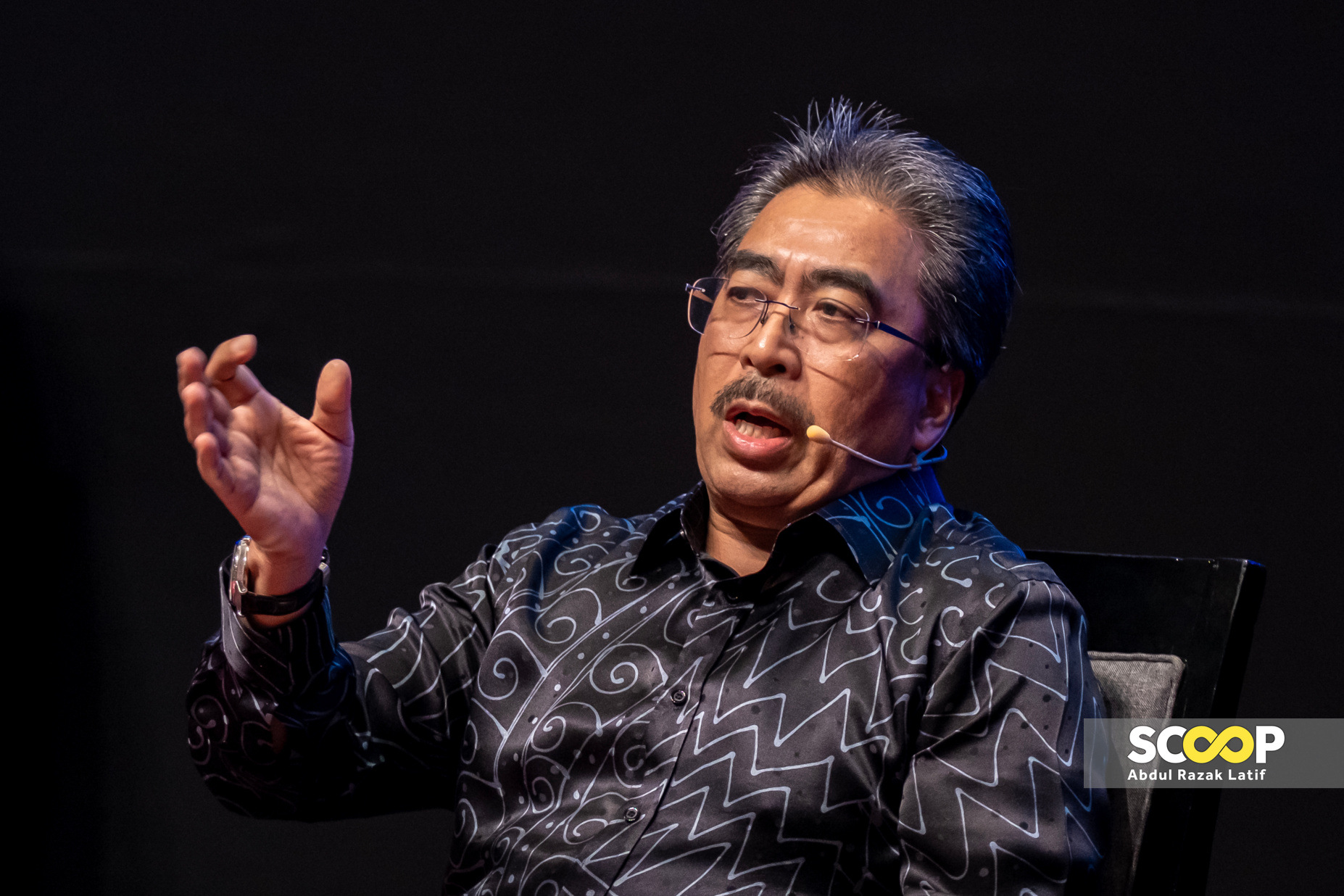
Investment, Trade and Industry Minister Datuk Seri Johari Ghani said the government is carefully assessing the legal and policy implications arising from the ruling.
“The government is evaluating the latest legal and policy developments in the US,” he said in a statement.
Although Malaysia signed a reciprocal trade agreement with the US last year, Johari noted that Putrajaya has yet to ratify the pact.
He cautioned that despite the court’s decision, Washington still has other legal mechanisms that allow it to impose tariffs unilaterally, as well as introduce additional trade measures.
The Ministry of Investment, Trade and Industry (MITI) is also examining Trump’s subsequent announcement of a 10% blanket tariff on all imported goods.
“We are studying its scope and implications. At this stage, we are awaiting further clarity on how this measure will be implemented and whether additional adjustments will follow,” he said.
Major trading partner
Johari stressed that the US remains one of the world’s largest economies and a major trading partner for Malaysia. Bilateral trade totalled RM367 billion last year, including RM233 billion in Malaysian exports to the US.
“Malaysia’s position is clear and consistent. We remain committed to open, rules-based trade to sustain a stable and predictable business environment, and to safeguard the interests of Malaysian exporters, international investors, businesses operating in Malaysia, and workers across our economy.
“At the same time, Malaysia will continue to diversify its trade relationships and strengthen regional and multilateral economic cooperation to ensure resilience in an evolving global trade environment.
“We will act in Malaysia’s best interests while maintaining strong bilateral ties with the US,” he added.
In a 6-3 ruling, the US Supreme Court held that Trump had exceeded his authority in imposing tariffs under the International Emergency Economic Powers Act.
Following the decision, Trump said he would move ahead with a uniform 10% tariff on all imports under a separate legal authority.
Malaysia and the US signed the reciprocal trade agreement during Trump’s visit to Kuala Lumpur for last year’s Asean Summit. The deal maintains a 19% tariff on Malaysian goods, although certain products enjoy zero-duty access under a mutually agreed list.
Miti is currently undertaking a review and cost-benefit analysis of the agreement to protect Malaysia’s economic interests and sovereignty. — February 21, 2026