


KUALA LUMPUR – The Malaysian government is intensifying its efforts to reinforce the gig economy by engaging with major platform providers, marking a crucial step in ensuring sustainability, fairness, and inclusivity within this rapidly expanding sector.
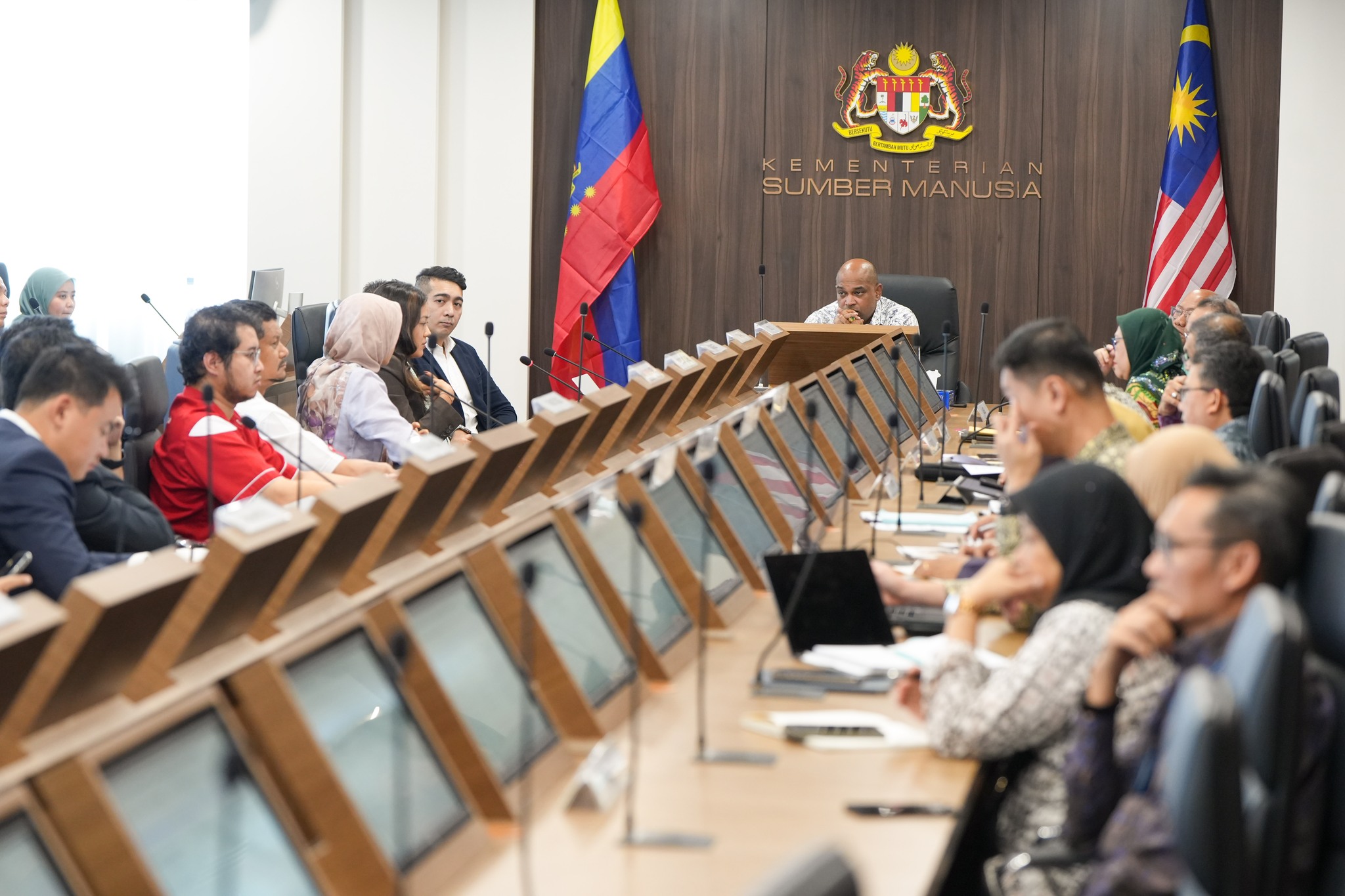
Human Resources Minister Datuk Seri Ramanan Ramakrishnan convened a dedicated session with representatives from leading gig platforms, following earlier consultations with gig workers.
The meeting brought together key players such as Grab, Foodpanda, GoGet, ShopeeFood, Lalamove, Bolt, Halo Delivery, Kiddocare, and FastGig, to discuss pivotal industry challenges and regulatory concerns.
Ramanan highlighted that issues raised by gig workers in previous discussions were officially presented during the session with platform providers. This is part of the government’s commitment to engaging all relevant stakeholders before finalising policy decisions.
“As I have stated previously, every issue and view raised during the earlier session with gig workers will be brought forward to the next stage of engagement with other stakeholders, including worker representatives and relevant parties, to ensure that the approach adopted is comprehensive and balanced,” he said.
The minister stressed that the session focused on developing a more sustainable and inclusive gig economy, particularly in areas such as social protection, workers’ welfare, and the legal responsibilities of platform operators.
He reiterated that the Madani administration is committed to aligning the growth of the gig economy with Malaysia’s human capital development agenda.
“The growth of the gig economy must continue to align with the nation’s human capital development agenda, while fostering a fair balance between the interests of workers and the sustainability of gig platform businesses for shared prosperity,” he added.
Malaysia’s gig economy has seen significant growth, propelled by digital platforms in ride-hailing, food delivery, logistics, and freelance services. However, concerns regarding social security, income stability, and employment classification have led to calls for clearer regulatory frameworks and stronger protections for workers.
Ramanan’s latest engagement demonstrates the ministry’s intent to adopt a structured and consultative approach, as the government considers reforms to protect workers while ensuring the continued viability of platform-based businesses. – February 26, 2026