

KUALA LUMPUR – Amid ongoing geopolitical tensions in the Middle East, Malaysia’s economic outlook faces renewed uncertainty, driven primarily by volatile global oil prices.
Economists agree that the conflict has triggered an immediate risk premium, with markets pushing prices higher due to fears of supply disruptions, particularly around the Strait of Hormuz, even before any physical shortages occur.
“Oil prices are projected to reach about USD80 to USD90 per barrel, approximately RM310 to RM360, next week,” projected economist Geoffrey Williams of Williams Business Consultancy. He expects the volatility to be short-lived, anticipating that the conflict could end “within the next week or so.”
Higher prices could benefit Malaysia in the near term. As a net oil exporter, stronger crude prices typically improve upstream cash flows and government receipts, including dividends, noted Samirul Othman Ariff, senior consultant at Global Asia Consulting and former senior researcher at the Malaysian Institute of Economic Research.
However, Samirul warned of a “worst-case” scenario where major supply disruptions could push Brent crude towards USD100 per barrel, around RM392, significantly raising fiscal and inflationary pressures.

At the same time, Carmelo Ferlito, chief executive officer of the Centre for Market Education, highlighted Malaysia’s vulnerability as a major importer of refined fuel. As Malaysia imports substantial volumes of refined products, higher costs for transport, logistics and energy-intensive production will inevitably push prices up, Samirul added.
These higher landed costs could be felt quickly, particularly if war-risk insurance premiums are withdrawn or repriced at short notice, leading to sharp increases in freight charges.
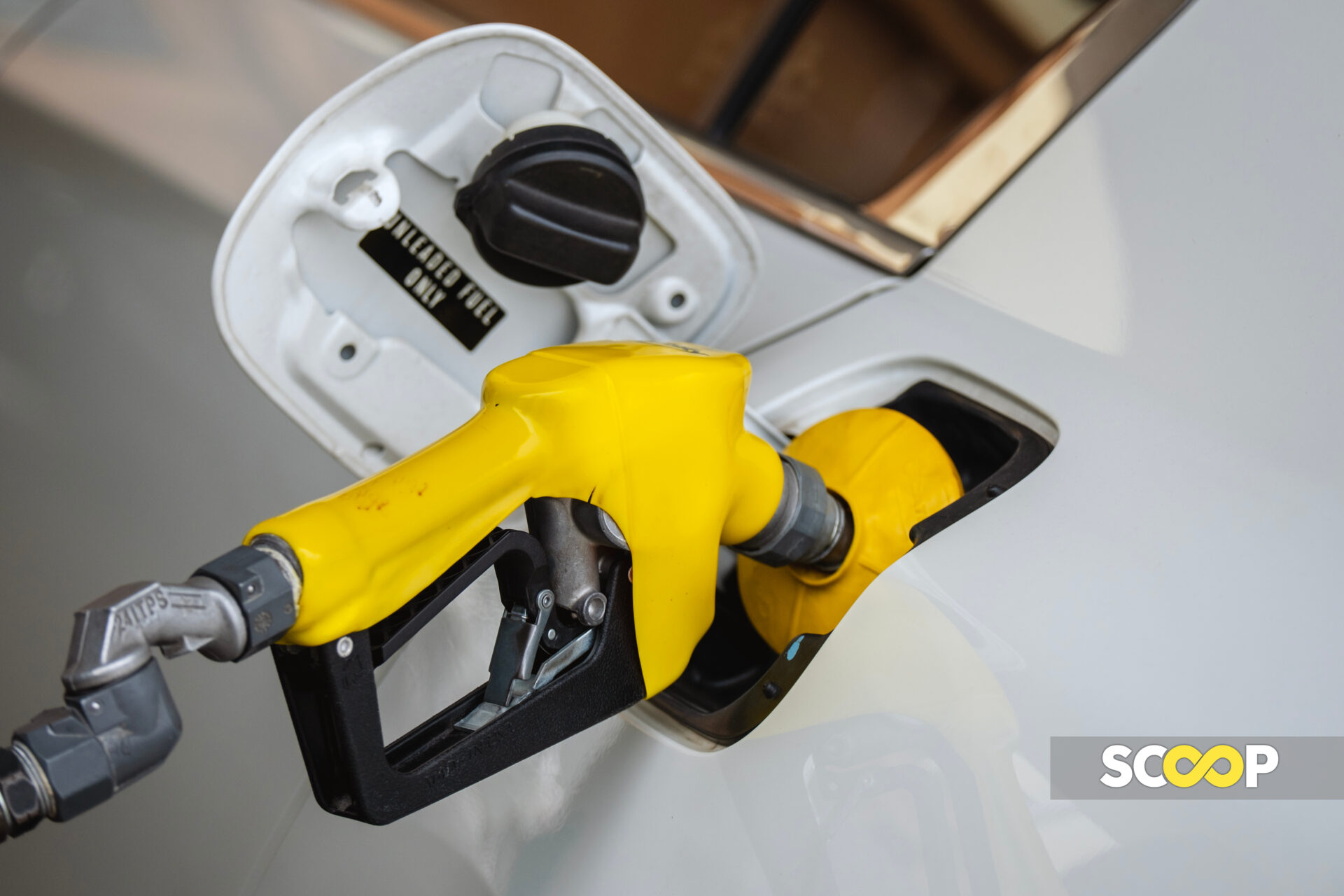
While elevated oil prices may boost national revenue, they also widen the government’s RON95 subsidy bill. Williams noted that higher crude prices directly increase subsidy costs, while Samirul cautioned that a sustained rise would “widen the subsidy wedge,” absorbing fiscal space that could otherwise be channelled towards development spending.
Ferlito also questioned the structure of the Budi95 programme, stating that he struggles to see how it qualifies as a targeted subsidy without differentiation across income levels.

All three economists agree that rising energy prices will eventually spill over into other sectors. Transport, logistics and food supply are particularly vulnerable, as higher distribution costs feed directly into consumer prices.
Although households pay RM1.99 per litre for RON95, Samirul pointed out that cost-of-living pressures remain, as businesses pass higher production and transportation costs on to consumers. Williams added that aviation, shipping and tourism-related services could also face short-term disruptions, including possible flight interruptions.
Ultimately, the duration of the conflict will determine whether the current price shock remains temporary or evolves into sustained inflation.
“A price jump represents a one-off price level adjustment. It only becomes persistent inflation if monetary or fiscal policy accommodates the shock,” Ferlito clarified.
For now, economists agree that lower-income households are likely to feel the squeeze most acutely, as fuel and food-related expenses account for a larger share of their overall spending.– March 3, 2026