

KUALA LUMPUR – The United States has launched a trade investigation into alleged manufacturing overcapacity involving Malaysia and 15 other economies, a move that could eventually lead to new tariffs on foreign goods.
The probe, initiated under Section 301(b) of the Trade Act of 1974, will examine the actions, policies and practices of the economies involved to determine whether they are unreasonable or discriminatory, and whether they burden or restrict US trade.
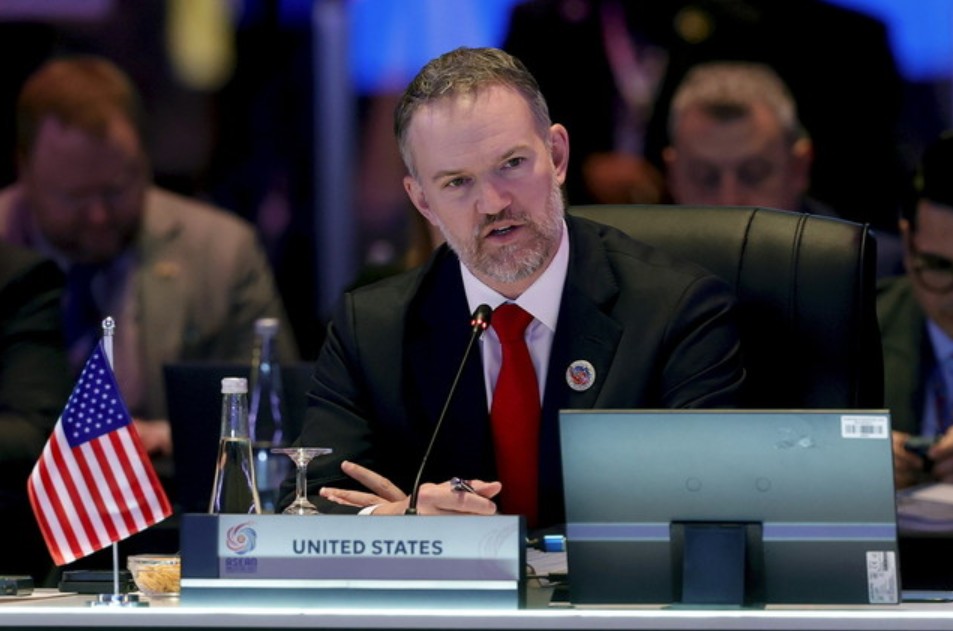
US Trade Representative Jamieson Greer said the investigation focuses on structural overcapacity and excessive production in the manufacturing sector that Washington believes could distort global markets.
“The countries subject to this investigation are China, the European Union, Singapore, Switzerland, Norway, Indonesia, Malaysia, Cambodia, Thailand, South Korea, Vietnam, Taiwan, Bangladesh, Mexico, Japan and India,” he said in a statement issued in Washington.
Greer said the push to rebuild American manufacturing under the administration of Donald Trump continues to face significant challenges from what Washington views as persistent global industrial imbalances.
According to US officials, the Section 301 investigation is part of a broader effort to restore trade enforcement tools after a US Supreme Court ruling struck down key emergency tariffs previously imposed by the Trump administration.
The new investigations are expected to become a central mechanism for addressing what the US considers unfair trade practices, including excess industrial capacity, forced labour in supply chains and discriminatory policies against American technology firms.
Under the process, the Office of the US Trade Representative will hold consultations with the governments involved. Greer has already requested consultations with all economies named in the probe.
If the investigation finds evidence of unfair trade practices, Washington could impose tariffs or other trade restrictions on affected imports, potentially escalating trade tensions with several major trading partners.
Public submissions related to the investigation will open on March 17, 2026.– March 12, 2026