

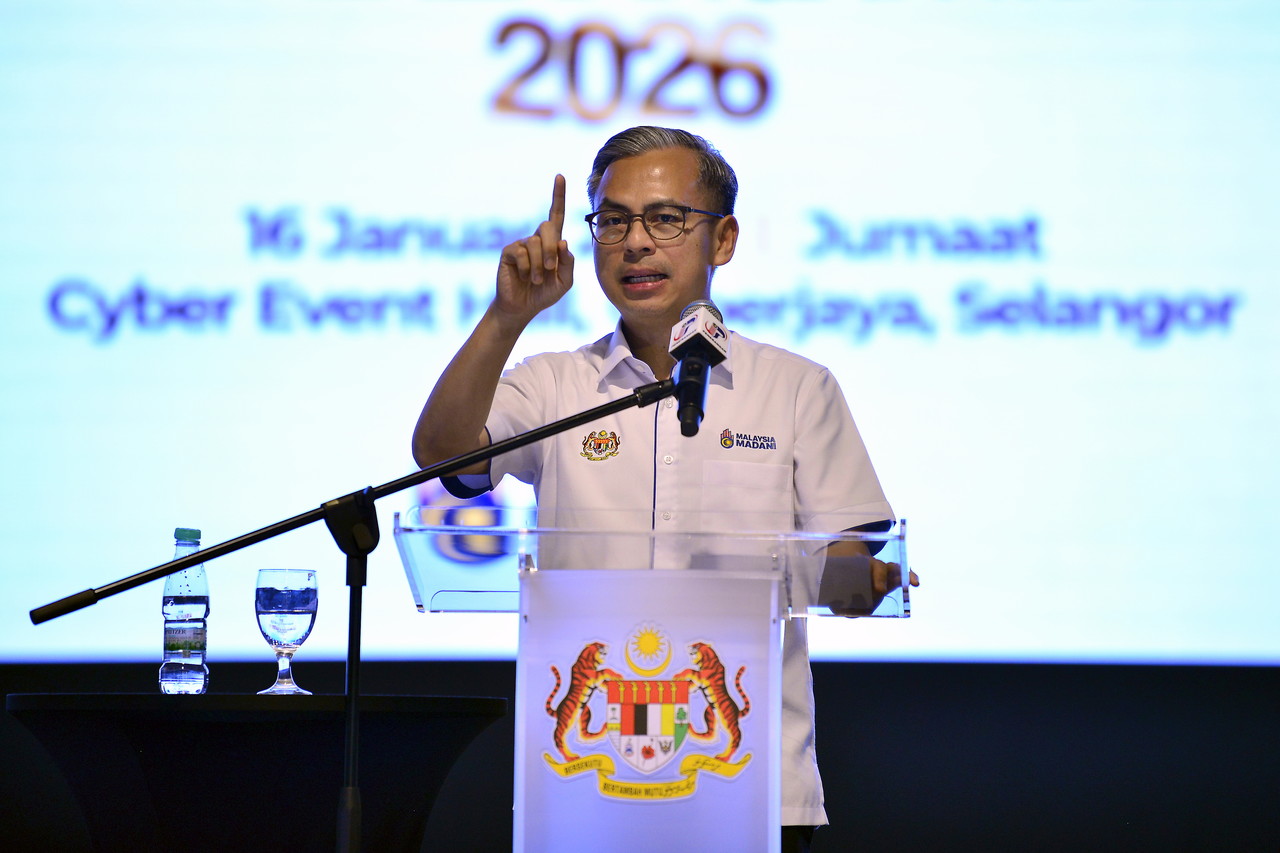
KUALA LUMPUR – The government will examine the feasibility of implementing work-from-home (WFH) arrangements for civil servants, Communications Minister Datuk Fahmi Fadzil said, with the matter potentially up for discussion at a special Cabinet meeting tomorrow.
Fahmi, who also serves as the Madani Government spokesperson, noted that many companies have adopted hybrid working arrangements, including WFH, following the Covid-19 pandemic, Bernama reported.
“On the government’s side, we will study the feasibility of the work-from-home arrangements, and the matter may be discussed at tomorrow’s special meeting.
“First, we will study the state of the global economy. We will look into the figures and determine what actions the government should take,” he told reporters after attending the Communications Ministry’s monthly assembly today.
The minister made the remarks in response to Thailand’s decision to implement WFH policies for its government agencies and state enterprises to curb energy consumption amid ongoing geopolitical tensions in West Asia.
Fahmi said the special Cabinet meeting is intended to allow the government to coordinate measures based on the latest economic information.
Among the key issues under review are Brent crude oil prices, aviation fuel costs, and other economic indicators.
“With the latest information, we will be able to align the government’s actions, including controlling and reducing unnecessary expenditure,” he said.
Fahmi stressed that micro, small and medium enterprises (MSMEs) will continue to receive support, recognising their role as the backbone of the national economy, including in export activities and domestic production of goods and services.
Decisions on measures to assist MSMEs will be made after a careful assessment of the domestic economic landscape.
“We do not want to take action without understanding its impact. We do not want to stifle growth,” he said, adding that supplies of essential goods and fuel, including RON95 petrol, remain sufficient and there are no shortages in the country.
The West Asia crisis, which began on February 28 when the United States and Israel launched attacks on Iran, has prompted retaliatory strikes by Iran against US interests. Iran has also imposed restrictions on tankers using the Strait of Hormuz, a key global energy route, requiring approval from its authorities and barring passage for vessels from the US and its allies. – March 12, 2026