

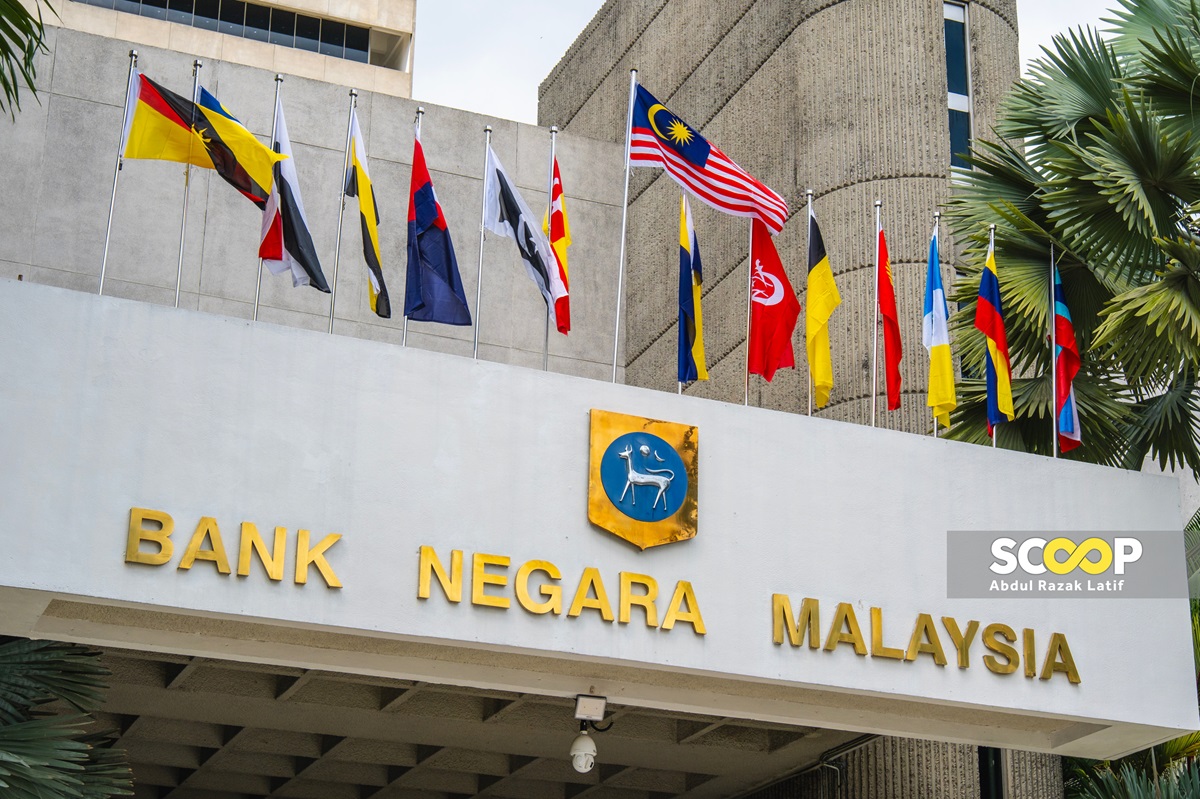
KUALA LUMPUR – Surging oil prices and escalating conflict in West Asia have heightened inflationary pressures, but Bank Negara Malaysia (BNM) is expected to hold off on immediate rate hikes as policymakers weigh the broader impact on growth.
Bank Muamalat Malaysia Bhd chief economist Mohd Afzanizam Abdul Rashid said the central bank is likely to assess whether current shocks translate into sustained inflation before tightening monetary policy.
“BNM would want to see if these shocks materially affect growth or inflation. The key issue is whether oil supply shortages emerge and how the government adjusts its subsidy mechanism,” he told Bernama.
BNM governor Datuk Seri Abdul Rasheed Ghaffour earlier confirmed the central bank is monitoring global developments closely, with an assessment due later this month.
Malaysia’s cushion: Oil surplus and subsidies
Malaysia’s position as an oil producer has helped buffer the economy, recording a trade surplus of RM18.2 billion in 2025, up from RM13.2 billion in 2024, driven by refined petroleum and LNG exports.
Government subsidies have also softened the blow, though Afzanizam warned they may need recalibration. He suggested a targeted approach using MyKad to ensure fuel subsidies reach lower‑income groups, while high‑income households could be excluded.
Subsidy burden rising
Fuel subsidies remain a heavy fiscal strain. In 2022, Malaysia spent RM23.1 billion when Brent crude averaged US$99 per barrel. Spending eased to RM19.7 billion in 2024, but Finance Minister II Datuk Seri Amir Hamzah Azizan recently revealed monthly petrol and diesel subsidies have now ballooned to RM3.2 billion, up from RM700 million previously.
The government is working to secure domestic supply stability, with Petronas and other oil companies sourcing new reserves to offset disruptions.
Crude oil prices are expected to stay elevated, with some economists warning of a possible spike to US$200 per barrel – levels last seen during the 2008 oil shock.
Afzanizam noted energy security has become the immediate priority, even as the world pushes for energy transition. Malaysia’s energy mix remains dominated by coal and gas (92.4% in 2025), though renewable energy share has inched up, alongside a surge in electric vehicle registrations.
“Progress has been commendable, but it needs to be accelerated,” he said, underscoring the urgency of diversifying energy sources as geopolitical risks deepen. – March 15, 2026