

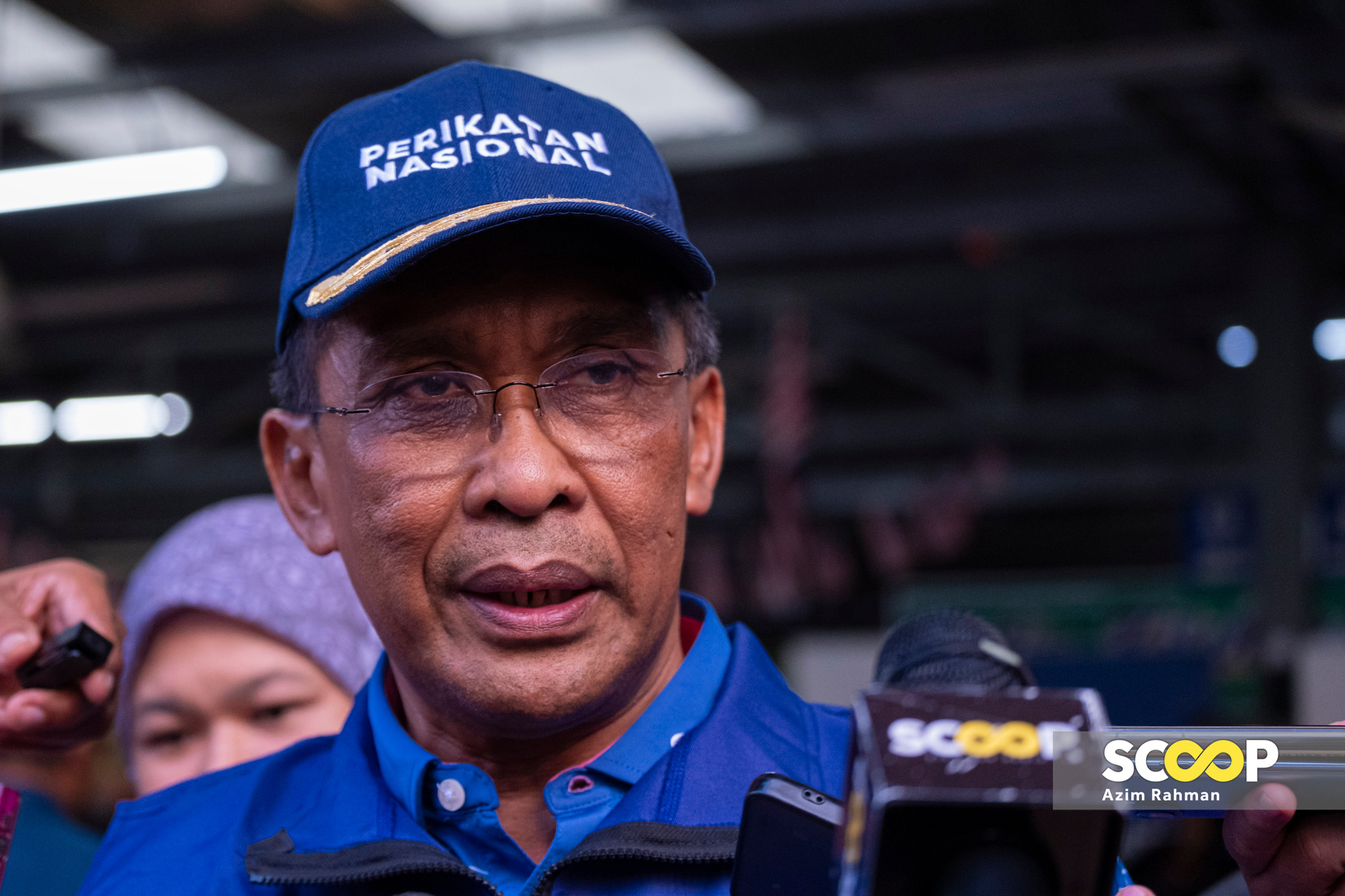
KUALA LUMPUR – Perikatan Nasional (PN) has called for an explanation from the government after the United States Supreme Court ruled to nullify the Reciprocal Trade Agreement (ART) between Malaysia and the United States, raising concerns about the impact on Malaysia’s trade interests and economic relations with Washington.
In a statement, PN secretary-general Datuk Seri Takiyuddin Hassan said the development raises serious questions about the status of negotiations and any commitments the government may have made under the agreement.
He warned that the ruling could also affect Malaysia’s export industries, manufacturing sector, supply chains and overall investment policy certainty.
Takiyuddin said the nullification of the ART highlights the need for Malaysia to approach international trade commitments cautiously in order to safeguard national interests.
“PN therefore urges the government to immediately provide a comprehensive explanation regarding the agreement’s actual status, its economic and diplomatic implications for Malaysia, and the measures being taken to safeguard national interests,” he said.
Given the significance of the issue for Malaysia’s trade interests and its strategic economic relationship with the United States, PN also called on the government to convene a special parliamentary sitting.
“Parliament must also be informed of any commitments or concessions made during earlier negotiations, including matters affecting the future direction of Malaysia–United States trade relations,” he said.
Takiyuddin added that such a step is necessary to ensure transparency and accountability while allowing Parliament to properly scrutinise the direction of the country’s trade policy.
“PN will continue to closely monitor developments and remain proactive in ensuring that Malaysia’s national interests remain the top priority in the government’s trade policy decisions,” he said.
Yesterday, Investment, Trade and Industry Minister Datuk Seri Johari Ghani confirmed that the ART agreement is null and void following a ruling by the Supreme Court of the United States, which struck down the majority of sweeping tariff measures previously imposed by Donald Trump.
Johari also pointed out several areas likely to come under scrutiny, including dumping practices linked to excess production capacity, alleged manufacturing misconduct such as the use of forced or underage labour, environmental violations, and export subsidies that could distort fair competition in international trade. – March 16, 2026