

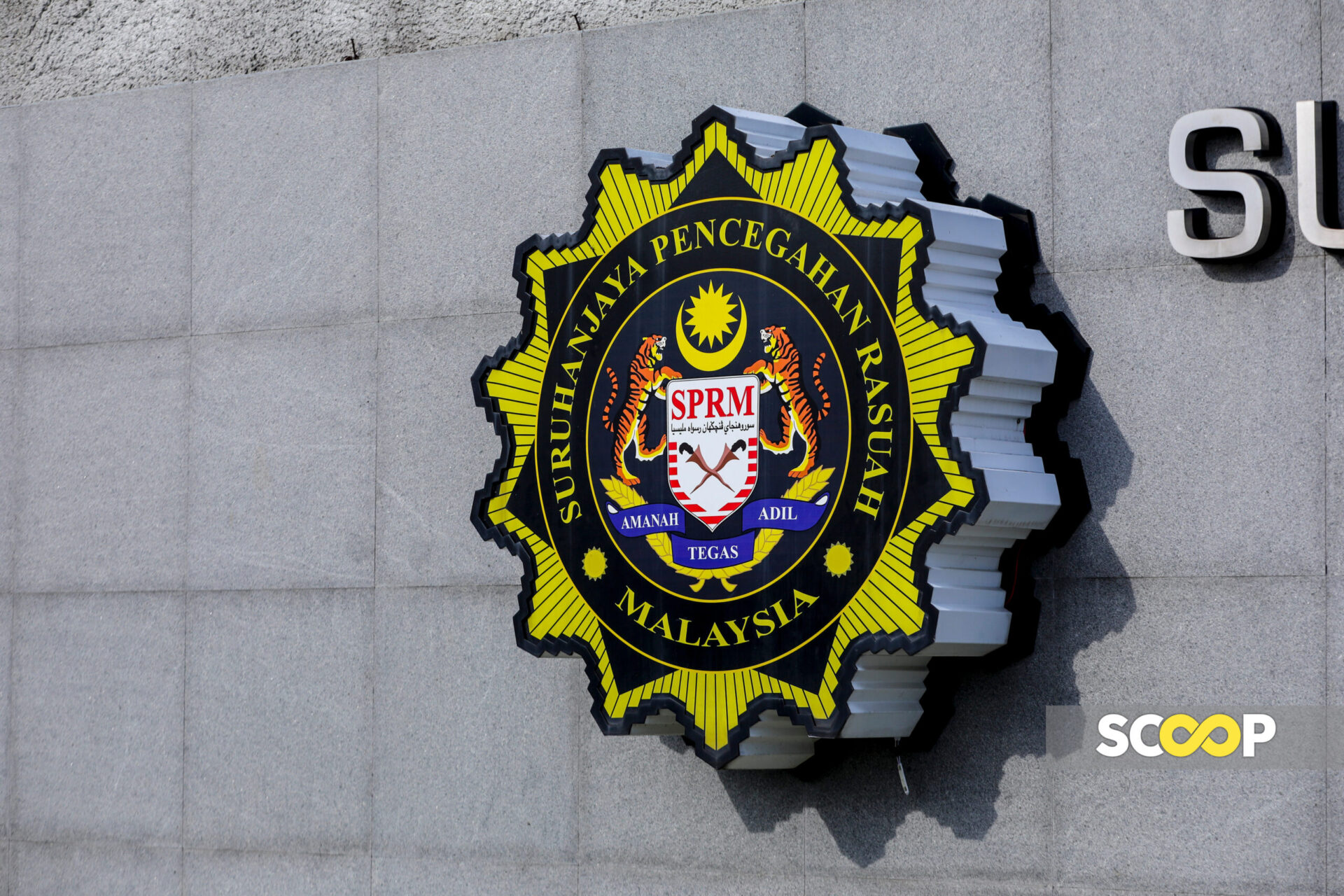

KUALA LUMPUR – The Malaysian Anti-Corruption Commission (MACC) has proposed the introduction of at least three new pieces of legislation to close loopholes in public funding, aiming to prevent large-scale corruption and the misappropriation of charitable donations by non-governmental organisations (NGOs).
The proposed laws seek to address serious gaps that currently allow individuals to exploit public funds for personal gain or commit acts of grand corruption.
MACC chief commissioner, Tan Sri Azam Baki, said the first proposed legislation would focus on misconduct in public office, targeting improper behaviour among government employees that could lead to serious criminal offences.
“The second is a Welfare Act, intended to prevent the misuse of donations collected by NGOs claiming to support underprivileged communities,” Azam told Scoop in a statement.
The third, he explained, would be a Political Funding Act, designed to curb conflicts of interest, corruption, and undue influence in the country’s political system.
“Laws such as the Misconduct in Public Office Act would make any form of negligence or misappropriation of public funds by civil servants a clear criminal offence,” he added.
“It is particularly aimed at addressing the leakage and misuse of funds that are meant for the public, as highlighted in successive National Audit Reports.”
On the proposed Welfare Act, he noted the need for a dedicated Welfare Commission to monitor the proper use of donations and prevent abuse of funds contributed by both the public and corporations.
“MACC has observed a worrying rise in the misuse of funds by individuals with access to these donations,” he said.
Political funding has long been a debated issue, with discussions dating back to before the 15th General Election.
“Despite this, no law has yet been enacted. There is growing pressure for stricter legislation requiring full disclosure of political donations and loans to prevent conflicts of interest, corruption, and undue political influence,” he added.

MACC’s call comes amid increasing reports of opaque management of charitable funds and misappropriation for personal gain. Last Wednesday, Azam revealed that investigations had been opened against more than five NGOs reliant on public fundraising, including organisations collecting donations purportedly for Palestine.
He also highlighted that individuals, including social media influencers, have been found actively soliciting donations and alms under the guise of charitable purposes.
“Investigators have uncovered a range of modus operandi after opening cases against those suspected of wrongdoing. Crowdfunding and public fundraising activities have grown unchecked, creating opportunities for misuse due to the lack of transparent oversight mechanisms,” he said.
Azam acknowledged that Malaysia already has laws in place to address corruption and misuse of public funds, including the Malaysian Anti-Corruption Commission Act 2009 and the Penal Code.
However, he noted the absence of a standalone public funding law, unlike in some other countries, which makes it easier for large-scale corruption to occur.
“The MACC Act 2009 is the primary anti-corruption law, covering offences related to misappropriation and abuse of power by public officers or individuals handling public funds,” he said.
He added that the Penal Code also allows for prosecution under sections dealing with breach of trust, such as Section 409, which applies to public officers or anyone attempting to misuse public funds.
Other laws, including the Financial Procedure Act 1957 and the Fiscal Responsibility and Accountability Act 2023 (FRA 2023), also provide frameworks to ensure transparency and accountability in public finance.
“The FRA 2023 is crucial for maintaining fiscal discipline, transparency, and sustainability, particularly in managing deficits, public debt, and government expenditure. It acts as a ‘financial discipline framework’ to prevent irresponsible use of taxpayers’ money,” he said.
The legislation also seeks to prevent the creation of off-balance-sheet liabilities, such as government guarantees, concession compensations, and bailouts of government-linked companies (GLCs) or mega-projects, and to ensure that large-scale fiscal decisions are made within a long-term legislative framework. – March 23, 2026