

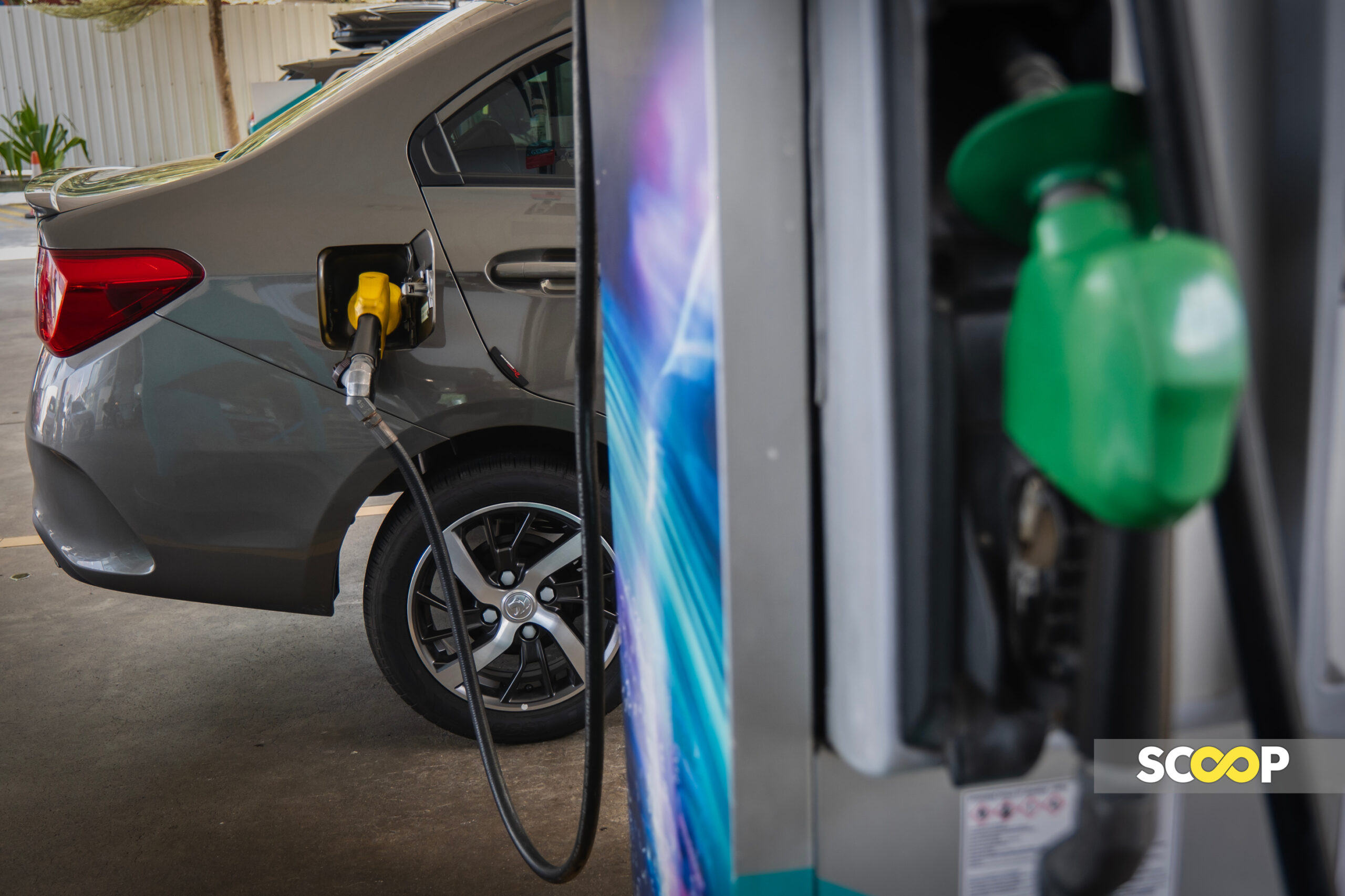
KUALA LUMPUR – The ban on the purchase and sale of RON95 petrol to foreign-registered vehicles will be enforced from April 1, Domestic Trade and Cost of Living Minister Datuk Armizan Mohd Ali confirmed.
He explained that the move expands the existing legal framework, which until now only penalised petrol station operators, Bernama reported.
“Effective April 1, 2026, this offence will also include drivers or owners of foreign-registered vehicles,” Armizan said in a post on his Facebook page today.
The minister added that the enforcement followed a decision he presented in Parliament on January 29. Compliance will be monitored through OPS Tiris 4.0 (Integrated) to curb smuggling of subsidised fuel, particularly in border areas amid tensions stemming from the Middle East conflict.
“I am reminding all parties, whether petrol station operators or foreign motor vehicle consumers, to comply with this ban,” he said.
Armizan stressed that the Ministry of Domestic Trade and Cost of Living (KPDN) will take strict action against any individuals, syndicates, or operators involved in smuggling or misusing fuel subsidies. He also encouraged the public to assist authorities by reporting suspicious activities under the KITA GEMPUR initiative to safeguard subsidies and protect public interests.
Earlier, Armizan chaired a meeting with KPDN’s Enforcement Division to finalise preparations for the extension of the RON95 ban.
In a related development, the minister assured that the country’s supply of essential goods would remain adequate despite rising logistics and packaging costs linked to the Middle East conflict.
He noted that collaboration between the government and the retail sector, led by the Malaysia Retail Association (MRA), had ensured supply stability.
“The main agenda discussed was the issues arising from the Middle East conflict, especially the implications for security of supply and price stability.
Through strengthening cooperation between the government and the industry, the supply of imported basic necessities is sufficient despite facing several issues, especially increasing logistics costs and packaging materials,” Armizan said. – March 26, 2026