

KUALA LUMPUR — The diesel subsidy should be extended to fuel-intensive industrial sectors to shield them from the volatile global energy market caused by the Iran war, the Federation of Malaysian Manufacturing (FMM) said.
FMM president Jacob Lee Chor Kok said this could be done through a tiered pricing mechanism for sectors that do not benefit from the government’s existing diesel subsidy initiatives.
The current diesel subsidy framework covers road transport operators, but not manufacturers operating kilns, dryers, furnaces, boilers and marine equipment, Lee noted.
“Sectors including ceramics, quarrying, glass manufacturing, heat-intensive food processing and marine logistics serving domestic routes are most exposed.
“(These operators) purchase diesel at full market rates with no equivalent relief,” he said in a statement.
Subsidised diesel at RM2.15 per litre under the government’s BudiDiesel programme is currently available, subject to a quota, for individuals, the agricultural sector and across Sabah and Sarawak. Specified commercial transport operators such as school buses, ambulances and ferries also receive a lower subsidised rate.
As such, FMM said government intervention is critical as Brent crude prices have surged to approximately US$106 per barrel amidst the ongoing conflict in the Middle East over Iran. The war by US-Israeli forces on the republic has led to shipping disruptions in the Strait of Hormuz and the Red Sea.
Lee said this has led to vessels being rerouted via the Cape of Good Hope which has extended transit time by up to 14 days. This rerouting has led to several problems that add sustainability pressures on manufacturers.
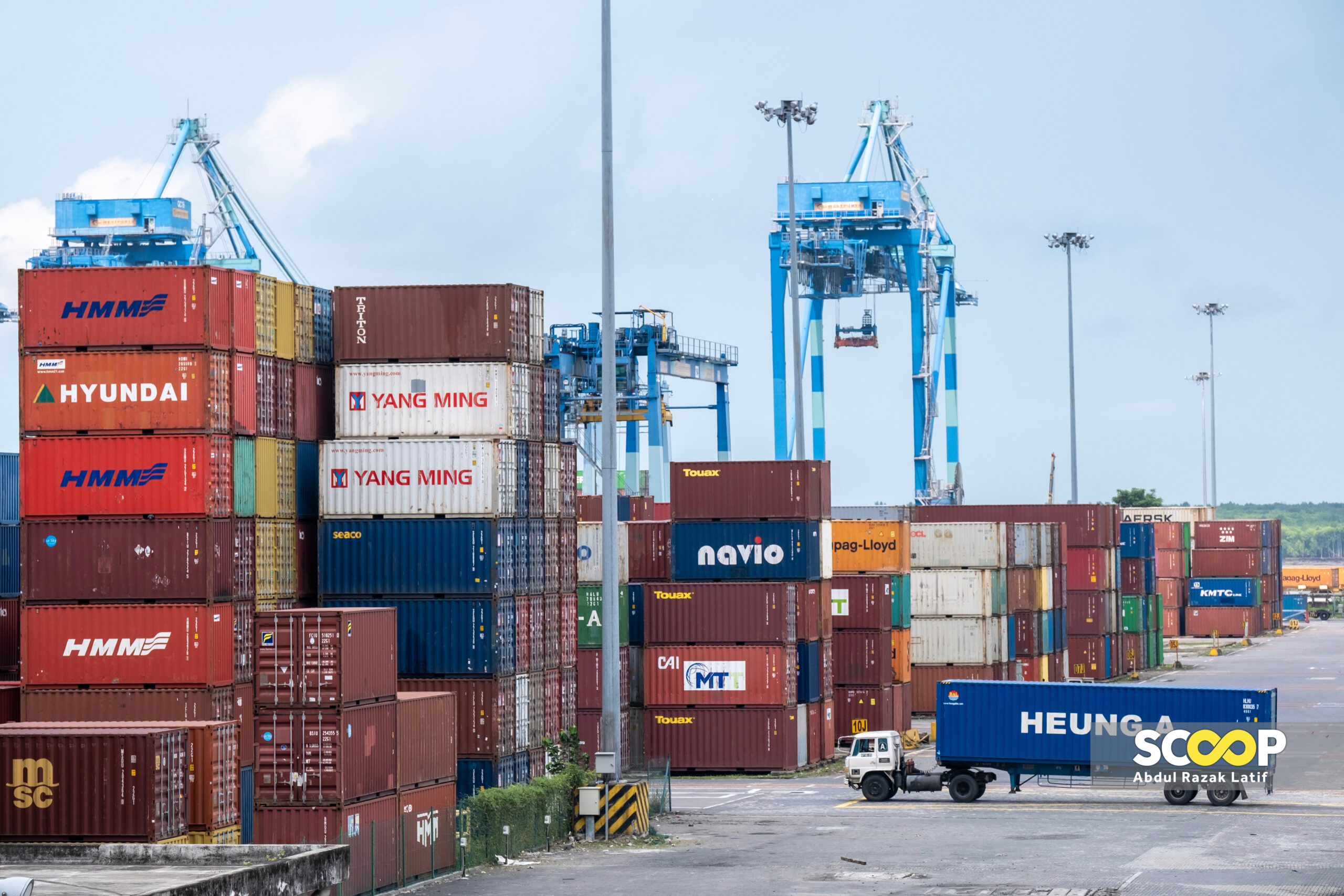
Besides disrupted scheduled deliveries, shipping lines have raised freight charges, war risk surcharges and insurance premiums by up to 200% to 400%. Manufacturers are also stressed by higher demurrage (payment to the owner of a ship for failure to load or discharge the vessel within the agreed time) and port storage charges, Lee added.
“The government should provide a double tax deduction on these crisis-related logistics expenditures for the current and following year of assessment,” Lee said.
FMM also urged the Transport Ministry to establish a formal freight rate and surcharge monitoring mechanism to prevent “opportunistic surcharging” by shippers without oversight during times of conflict.
Delays by rerouted ships carrying raw materials have also caused supply constraints, Lee said.
“Incoming shipments reflect orders placed prior to the disruption. New orders will arrive at a tightening supply environment, increasing the risk of production gaps. Fertiliser stocks are projected to remain sufficient only until mid-2026, subject to supplier fulfilment, which remains uncertain under current conditions.”
Before shortages become acute, Lee said the government should direct national energy producers and major domestic refiners to prioritise domestic allocation of supplies, and facilitate temporary tax exemptions on materials sources from alternative origins.
The government should also establish a national inventory monitoring mechanism, he added.
FMM also suggested the government exempt manufacturers from sales tax and import duties on reimported export cargo turned back, subject to the goods not being sold or disposed of domestically upon return.
Lee said the goods were manufactured in Malaysia, exported, and are returned to the same production facility through no fault of the manufacturer.
Additionally, FMM is calling for the deferment of all remaining port tariff increases to prevent further cost compounding. – March 27, 2026