

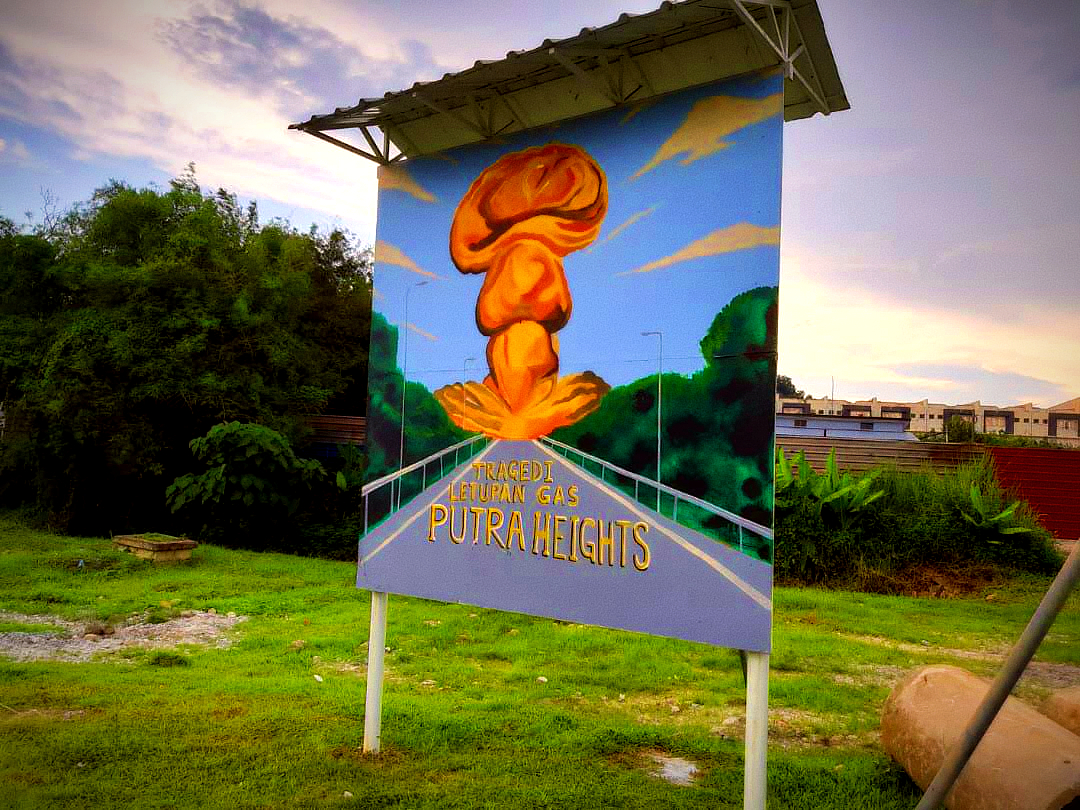

KUALA LUMPUR – One year after the devastating Petronas Gas Bhd’s pipeline explosion in Putra Heights, Selangor, the affected community and stakeholders continue to navigate a complex road to recovery.
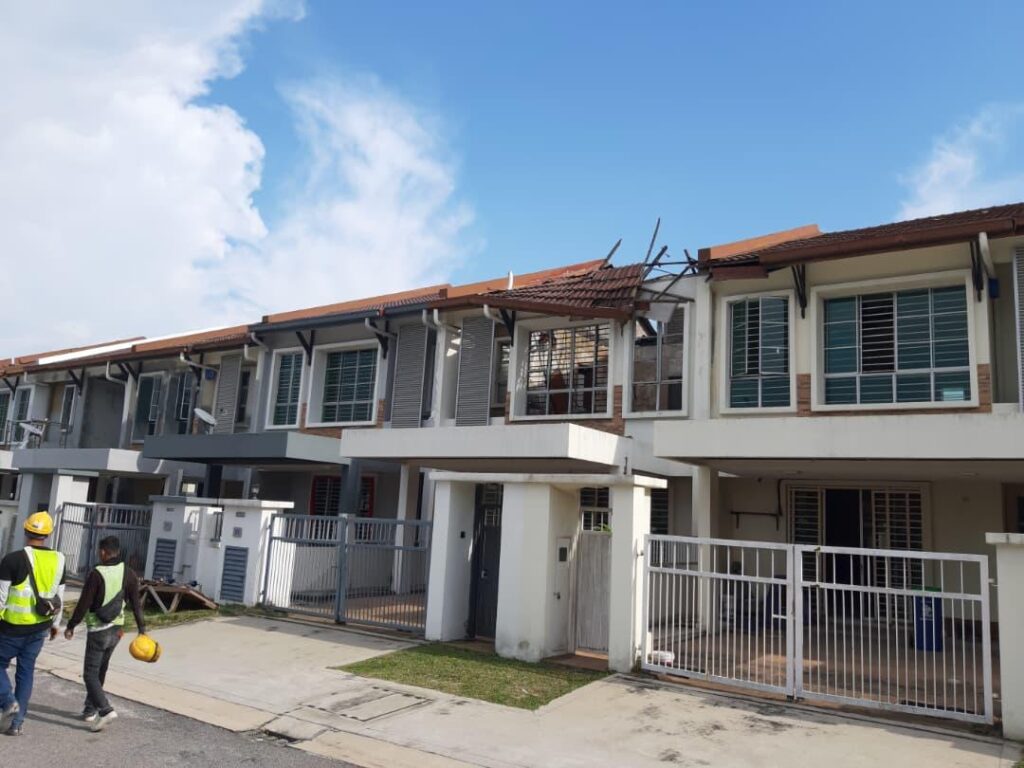
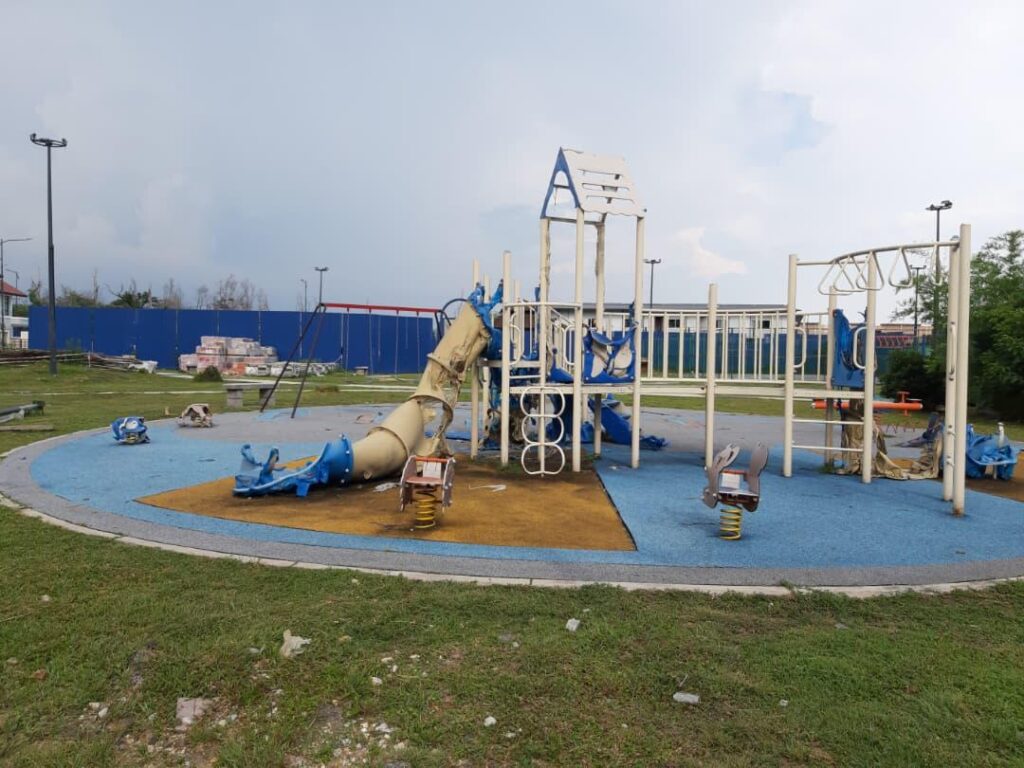
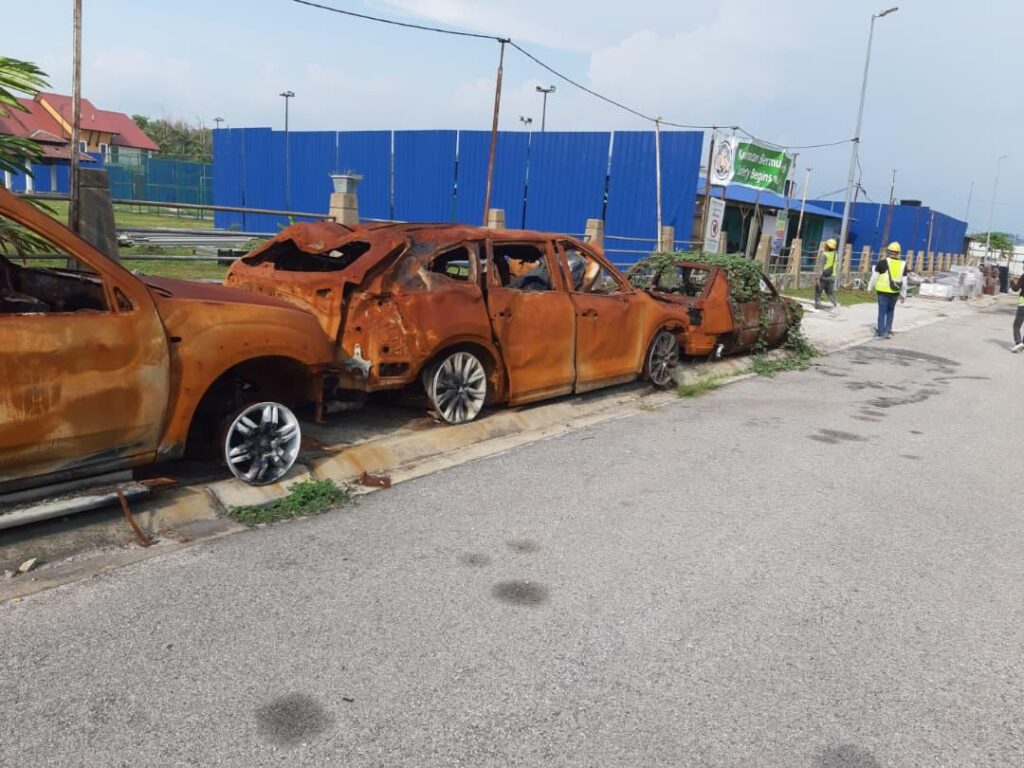
The April 1, 2025 incident on Jalan Putra Harmoni affected 529 people from 118 families, destroying 87 properties completely and damaging a total of 235 residential and commercial units. The blast also damaged 225 vehicles and left 126 individuals injured, several requiring intensive care.
While recovery efforts continue, residents and environmental advocacy groups argue that the current legal framework remains insufficient to protect the public from the 2,750km of high-pressure pipelines running across the country.
A primary demand emerging is an immediate revision of the Land Development Act to define strict, safe buffer zones between gas infrastructure and residential, commercial and industrial projects.
Legislation pertaining to current Acts is a necessity, Francis Koh, Vice Chairman of the Putra Harmoni Residents’ Association, pleaded when speaking to Scoop.
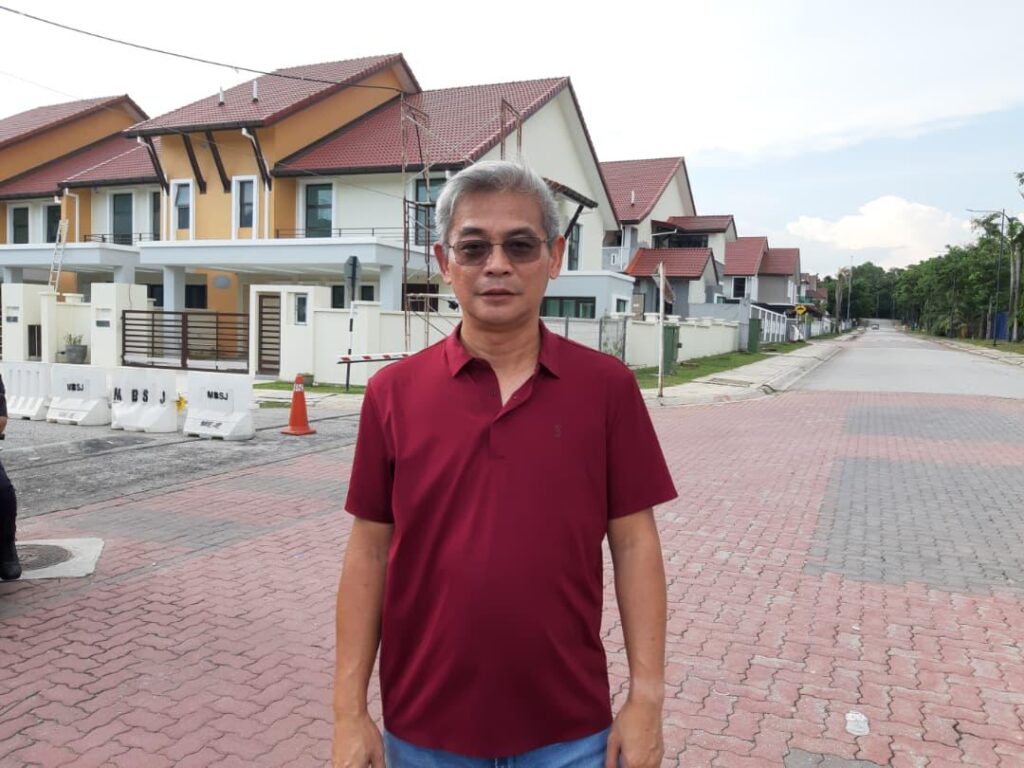
Koh noted that existing laws failed to account for these risks because many of the affected areas were farmlands when the pipes were originally laid but have since transformed into dense suburban hubs.
This legislative push is supported by a joint policy brief from environmental think-tanks Greenpeace Malaysia and RimbaWatch.
The groups insist that the current 18-50m Right-of-Way (RoW) is inadequate and recommend adopting international safety standards that suggest a “Potential Impact Radius” (PIR) of up to 240m for pipelines of this scale.
The anniversary has also reignited demands for greater institutional accountability.
While a Parliamentary Special Select Committee (PSSC) report attributed the rupture to 24.3cm of soil subsidence, a coalition including the Artivist Network is calling for the establishment of a Royal Commission of Inquiry (RCI).
They contend that the initial investigation left “unanswered questions” regarding why the monitoring technology did not provide a warning before the soil failure that led to the explosion occurred.
Beyond legislation, the community is highlighting critical gaps in emergency preparedness.
The initial response revealed that the Fire and Rescue Department was “ill-equipped to fight such fire,” as gas-fed blazes require specialised techniques and equipment.
To address this, Koh recommends that local authorities and town councils implement mandatory fire drills, identify clear evacuation routes, and install local prevention tools such as pipeline sensors and alarms to alert residents directly.
“Unseen. Unsmelt. Unforgiving. In pipeline incidents, gas becomes dangerous before anyone even knows it’s there,” Koh explained the need for increased awareness for communities and local authorities surrounding pipelines.
Since the blast, PGB, the pipeline operator, has transitioned toward more sustained engagement and support for the affected community.
The operator has disbursed over RM2.7 million in immediate aid and channeled RM25 million through the Finance Ministry and Housing and Local Government Ministry (KPKT) for housing reconstruction.
PGB also introduced the Laman insurance scheme, which assists residents in claiming losses for household contents like fridges and sofas. Medical care for burn victims that were not covered by standard personal insurance were also backed up by PGB.
“It’s a third-party insurance claim that they open to the residents to claim things that are damaged because of the fire that they could not get compensation from their own insurance,” Koh said.
“In the early days, when they visited some of the injured victims in the various hospitals, they also helped to settle some of the medical bills that were outstanding”.
As for mental health support, PGB launched Tenang, a digital programme in collaboration with Hospital Putrajaya and the Naluri app. “Tenang is a scheme for us to call up a special hotline that will help us with our emotional trauma,” Koh said.
The vice chairman further attests to PGB’s significant improvement in its transparency through an active group chat for updates and townhall announcements with the purpose being transparent communication between residents and PGB.
“The whole place is covered up, so we don’t know what’s happening. We can hear some noise, see some light, sometimes it gets late into the night. So residents can send queries into the group chat to understand what’s happening,” Koh clarified that updates of the latest repairs are provided at least once a week.
The pipeline operator also rectified early communication failures. Before the incident, the safety signs with emergency hotlines written were too small to be seen.
“So, let’s say from the roadside to the signboard there is a distance. Unless you have bionic eyes, you won’t be able to see it,” said Koh. As a result, PGB moved the safety signboard closer to the road and used a bigger prominent font while also distributing magnets to households for easier contact accessibility.
PGB’s “AnA” (Awareness and Action) roadshow programme also travelled to communities near gas pipelines across Malaysia to educate residents on safety, emergency response, and reporting mechanisms.
While these initiatives represent progress, the community remains firm that the long-term safety of their community and other communities surrounding the 2,750km pipeline will only be guaranteed when these lessons are codified into national law. – April 4, 2026