

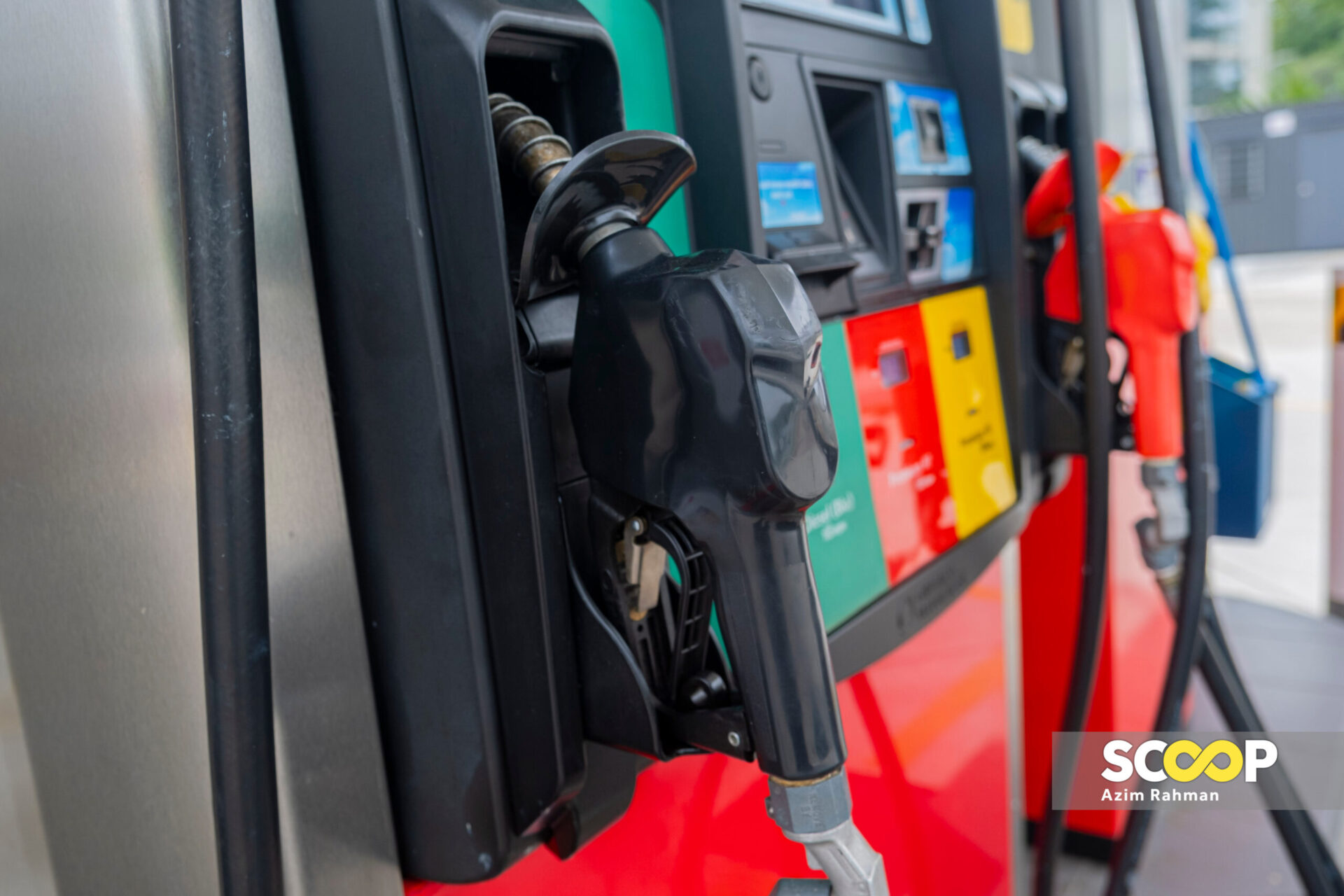
KUALA LUMPUR – The recent diesel price hike, driven by ongoing tensions involving Iran, is beginning to strain Malaysia’s land transport sector, with hauliers warning of mounting cost pressures and potential knock-on effects across the supply chain.
Malaysian Hauliers Association secretary-general Mohamad Azuan Masud said operators are already feeling the pinch, particularly in managing fuel-related credit arrangements.
“Credit limits are typically based on the pump price rather than the subsidised price. This reduces available credit, causing some operators to hit their limits much earlier, sometimes within a week, despite the usual 30-day term,” he said.
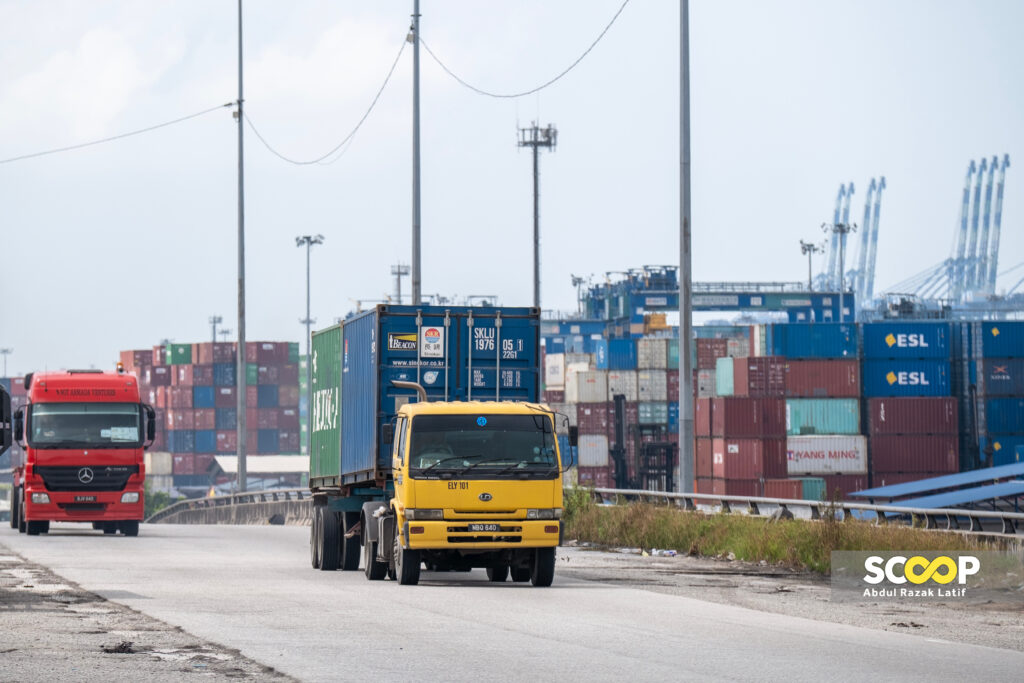
Fuel remains one of the highest operating costs for hauliers, alongside wages, engine oil, spare parts and maintenance.
While container hauliers currently benefit from diesel subsidies under the KPDN SKDS 2.0 scheme, Azuan said broader cost pressures persist due to rising input prices.
Operators are also facing cash flow challenges, as subsidy adjustments are only reflected at the end of each month, forcing some to make upfront payments out of pocket.
“While the subsidy helps cushion the impact, the benefit is more pronounced for end consumers and cargo owners, rather than directly addressing operational challenges faced by hauliers,” he added.
Beyond the industry, rising logistics costs are expected to feed into higher prices of goods, adding to cost of living pressures.
Despite this, Azuan said delivery operations have so far remained stable, with no significant disruptions to routes or frequency.
“At present, there has not been a major change in operational efficiency, but operators are monitoring the situation closely,” he said.
Looking ahead, he noted that the adoption of electric trucks could offer a longer-term solution to mitigate fuel price volatility.
Earlier this week, diesel prices rose to RM6.02 per litre, up 50 sen from the previous week, marking the highest level on record. Prices in Sabah, Sarawak and Labuan remain at the subsidised rate of RM2.15 per litre. – April 4, 2026