

KUALA LUMPUR — The government has activated a high-level inter-agency committee to combat the siphoning and illegal diversion of subsidised goods, as concerns mount over domestic supply security amid the global energy crisis.
The Jawatankuasa Tertinggi Penyelarasan Antara Agensi Penguatkuasaan, or the High-Level Inter-Agency Enforcement Coordination Committee (JTPAP), has been established as a whole-of-government framework, with the Domestic Trade and Cost of Living Ministry (KPDN) serving as its secretariat.
The committee brings together the Home Affairs Ministry, Defence Ministry, Transport Ministry, and Agriculture and Food Security Ministry, while also incorporating the Sabah and Sarawak state governments and their respective enforcement agencies to strengthen nationwide coordination.
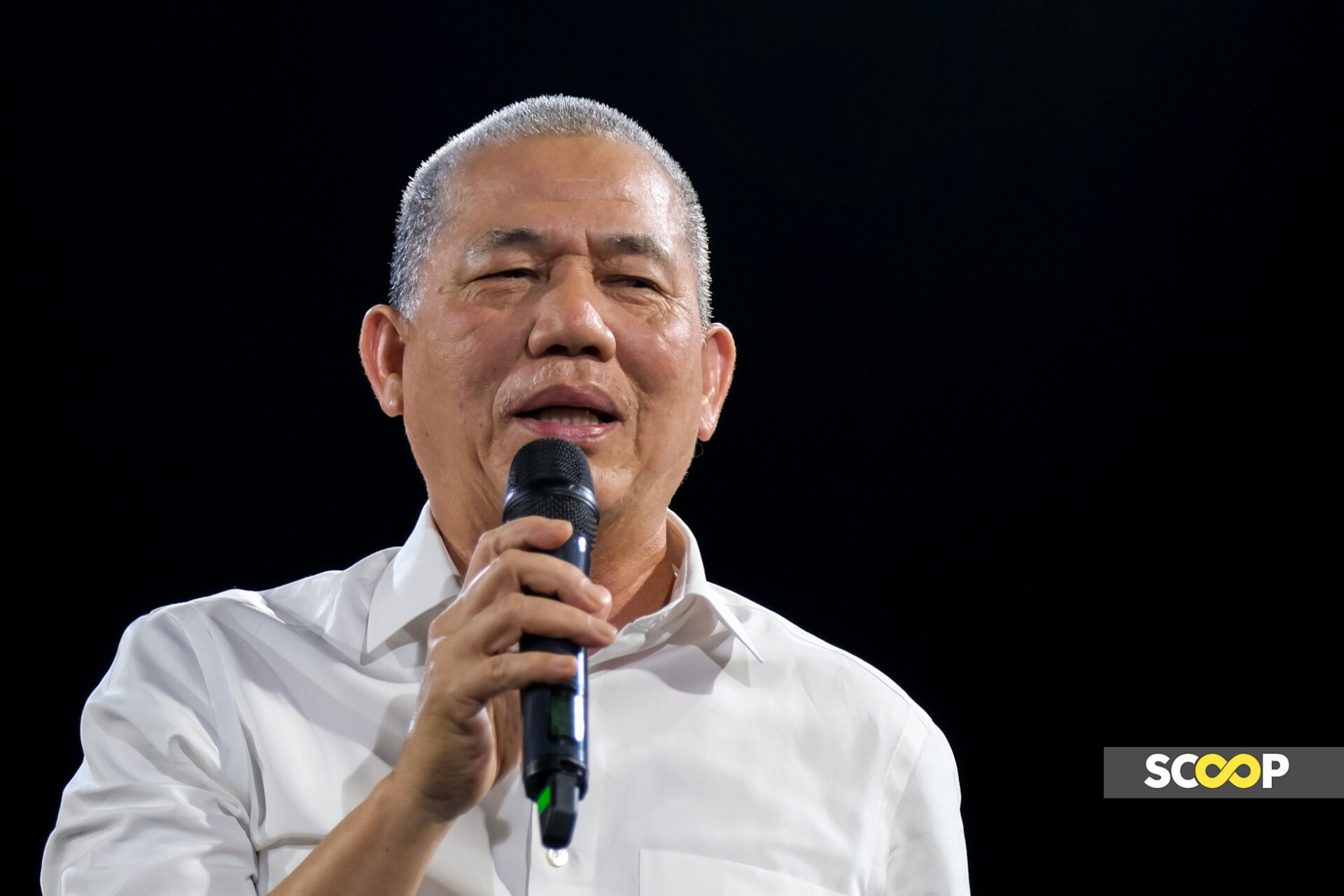
Deputy Prime Minister Datuk Seri Fadillah Yusof said the government was moving swiftly through JTPAP to tighten supervision and improve controls over the distribution chain to safeguard national energy supply continuity.
“In ensuring energy supply continuity, the government’s focus is not only to guarantee supply stability, but also to take immediate action to tighten the control and monitoring of distribution,” he added.
The stepped-up enforcement drive has already shown early results through integrated Ops 4.0, which began on March 16. Between then and April 5, authorities carried out 8,148 inspections, leading to 155 successful cases.
Among the seizures were 60 diesel-related cases involving more than RM2.1 million, 47 cases linked to RON95 petrol worth RM51,299, and 21 liquefied petroleum gas (LPG) cases valued at RM37,822.
A further 27 cases involved other controlled essential goods, including cooking oil, sugar and wheat flour.
To close remaining enforcement gaps, the government is also strengthening regulations governing bunkering activities to prevent the illegal diversion of marine fuel.
At the same time, the Subsidised Diesel Control System (SKDS) will be expanded through the use of fleet cards for land transport operators in Sabah, Sarawak and the Federal Territory of Labuan. The rollout will be supported by dedicated task forces jointly chaired by Federal and State Secretaries.
For clearer operational responsibilities, KPDN has been assigned to lead land-based enforcement, the Royal Malaysia Police will oversee border security, and the Malaysian Maritime Enforcement Agency will head maritime operations.
Fadillah said recommendations arising from JTPAP meetings would be submitted regularly to the National Economic Action Council to ensure swift policy responses.
This, he said, would allow the government to remain agile in protecting consumers’ interests and preserving market stability amid continued global uncertainty.
“I would like to emphasise that we have strengthened our readiness through strategic and integrated steps to ensure supply security in the local market,” Fadillah said. – April 6, 2026