

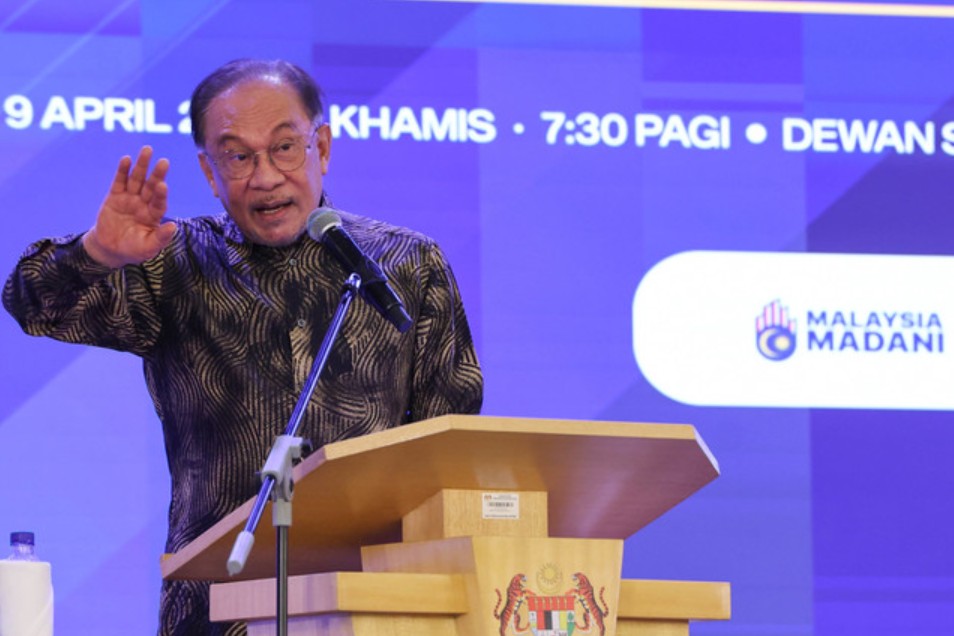
KUALA LUMPUR — Prime Minister Datuk Seri Anwar Ibrahim said the rise in oil prices following the West Asian conflict is not solely due to supply shortages but is also driven by higher risk premiums and escalating logistics costs.
He explained that although key fuel supply routes remain operational and shipments to Malaysia have not been disrupted, overall costs have risen significantly due to increased insurance and transportation expenses.
“The oil that was procured before the conflict has been delayed in the Strait of Hormuz and is now being redirected to Pengerang, contributing to the higher costs.
“Insurance premiums have surged by more than 100 per cent, while freight charges have also increased substantially.
“This means that the oil that was initially expected to be processed at a lower cost in Pengerang is now significantly more expensive,” he said when speaking at the Transport Ministry’s monthly assembly in Putrajaya today, reported Bernama.
Meanwhile, the prime minister emphasised that Malaysia’s diplomatic capabilities remain a key strength in protecting national interests amid global conflicts.
He said the country’s strong network of international relationships allows it to respond more effectively to regional and global challenges.
As an example, Anwar cited Malaysia’s good relations with Iran, which recently ensured safe passage for Malaysian merchant ships, including Petronas vessels, through the Strait of Hormuz.
“In my discussions with the President of Iran (Masoud Pezeshkian), he assured me that all necessary measures would be taken immediately to allow our ships to pass safely through the Strait of Hormuz,” he said.
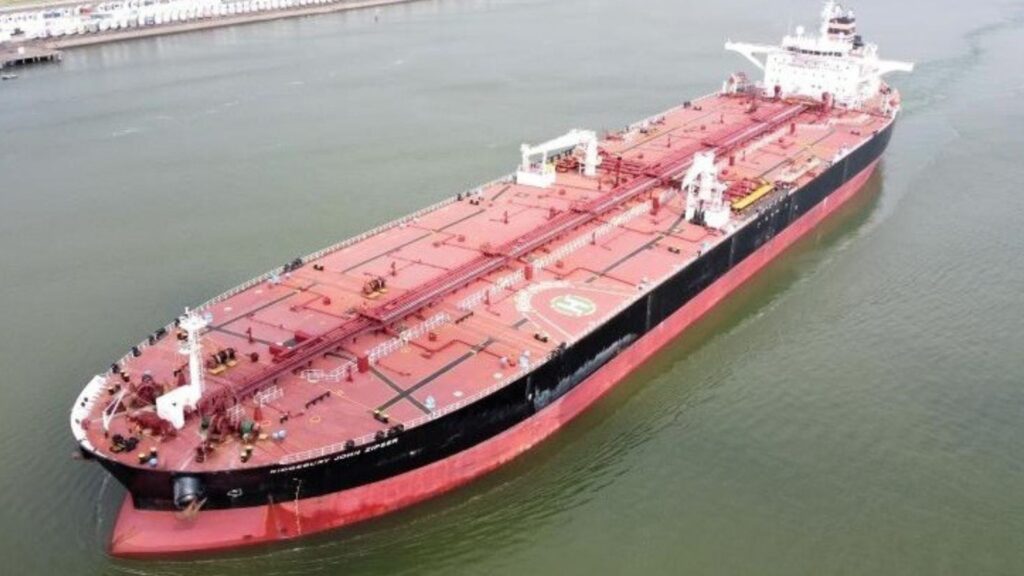
The Foreign Ministry previously confirmed that one of seven Malaysian ships previously stranded in the strait due to regional tensions has been granted safe passage and is continuing to its final destination.
This followed high-level diplomatic engagement between Anwar and the President of Iran on March 26, which secured approval for all seven vessels to resume their journeys.
The Strait of Hormuz, a narrow but strategic passage, handles around 20 per cent of the world’s crude oil and gas. Its transit has been disrupted due to ongoing attacks by the United States and Israel on Iranian territory since February 28.
Commenting on the wider impact, Anwar said the West Asian conflict has affected the global economy, including Malaysia, despite the country not being directly involved.
He described the war as an unexpected crisis triggered by Israel and supported by the United States, causing instability in Gulf countries and global markets.
“The conflict was not our fault, but terrorism initiated by Israel and backed by America has wreaked havoc across the Gulf and the world economy,” he said.
Anwar added that the repercussions would be long-term, particularly in the energy sector.
Quoting the Emir of Qatar, he said gas operations in the region will take at least three years to recover, with full performance expected in three to five years.— April 9, 2026