

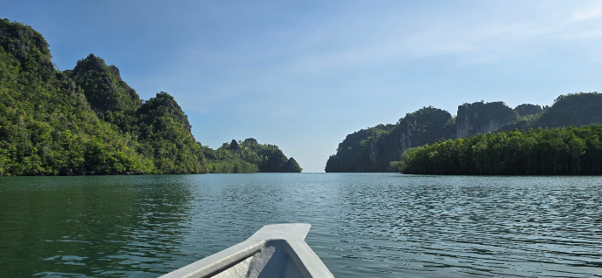
LANGKAWI – Back in 1935, The Handbook to British Malaya described dolphins and porpoises as “common” in local waters, while whales were merely occasional visitors.
Today, that observation feels almost unimaginable. Encounters with these marine mammals have become events in themselves, drawing headlines and social media attention whenever they appear along Malaysia’s coastline. What was once considered a familiar part of our seas has become a source of fascination for many Malaysians. Yet despite living in a maritime nation, few Malaysians learn about marine mammals in school or encounter them through educational programmes, leaving much of the country’s rich marine biodiversity hidden in plain sight.
Few Malaysians realise that at least 27 species of marine mammals have been recorded in the country’s waters, including Indo-Pacific humpback dolphins, Irrawaddy dolphins, finless porpoises, and even Bryde’s whales.
For Executive Director and Co-Founder of MareCet Dr Louisa Shobhini Ponnampalam, changing that has become something of a life’s mission.
“I’ve loved dolphins since I was 13,” she says. It was an unusual ambition in Malaysia during the 2000s.
When she announced her intention to study marine biology, the reactions were often sceptical.

“What are you going to do with a degree like that?”
“What kind of job can you get?”
The questions were familiar.
Marine biology was hardly considered a conventional career path then, and opportunities in the field were virtually non-existent.
But Louisa remained stubbornly committed. She pursued marine science studies overseas, eventually specialising in marine mammals before returning home with a determination to build something Malaysia lacked – a dedicated platform for marine mammal research and conservation.
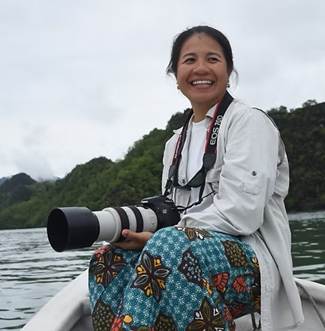
More than two decades later, she has answered the sceptics questions.
Not only has Louisa built a career around the animals she fell in love with as a teenager, she has also helped create an entirely new field of expertise in Malaysia.
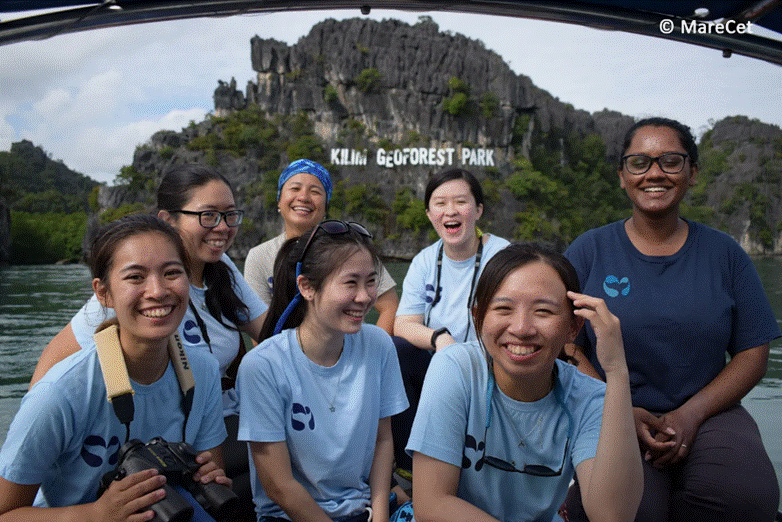
MareCet, the organisation she co-founded with marine conservationist Dr Fairul Izmal Jamal Hisne in 2012, has trained young researchers, created jobs, influenced conservation policy and assembled one of the country’s most significant databases on marine mammals.
Turning science into stories
MareCet derives its name from the combination of the words ‘Mare’ meaning ocean in Latin, and ‘Cetacean’, the scientific grouping of whales, dolphins and porpoises. It signifies the two main focuses of the organisation – the ocean, in general and marine mammals, in particular.
MareCet was founded on a simple belief, that if Malaysians knew more about the marine mammals living in their waters, they would be more inclined to protect them.
That mission has become increasingly urgent.
Globally, several coastal dolphin and porpoise species face mounting threats from ghost nets and fishing gear entanglement, habitat loss, marine pollution, vessel traffic and climate change.
Scientists estimate some populations of Irrawaddy dolphins and finless porpoises could face local extinction within decades if current pressures continue. For MareCet, the challenge is not just collecting data but making that data meaningful. Over the past 15 years, researchers have conducted extensive surveys in Langkawi, Perak and Johor using boats, drones and underwater hydrophones that record dolphin whistles and clicks. Every sighting contributes to a growing understanding of how these animals move, feed and interact.
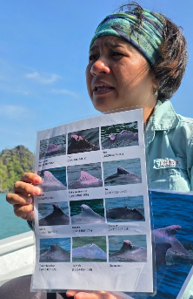
Some dolphins are so well documented that researchers can identify them from the shape of their dorsal fins alone. Many even have names. Each photograph helps build a catalogue that tracks individual animals across years and sometimes decades.
MareCet’s philosophy of making marine science simple and relatable for the local communities underpins everything it does, from school outreach programmes and community workshops to its travelling educational exhibition, Whales on Wheels, and digital platforms, including MareCet TV.
This also forms the basis of one of its newest initiatives – the “Langkawi Marine Explorer Programme” which combines adventure with conservation.
For most visitors, Langkawi is synonymous with beaches, cable cars and sunset cruises. MareCet wants people to experience a different side of the archipelago.
Through the Langkawi Marine Explorer programme, participants join researchers in exploring one of Southeast Asia’s most important marine mammal habitats while learning about local culture, geology and conservation.
The programme is built around a simple idea: adventure can be a gateway to environmental awareness. During a recent three-day familiarisation trip involving media practitioners and content creators, participants, including this writer, ventured beyond the usual tourist trail.
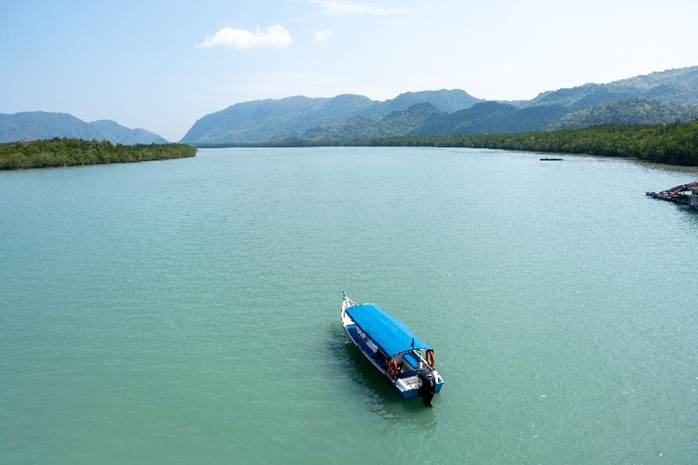
There were opportunities to spot Indo-Pacific humpback dolphins and finless porpoises in the waters surrounding Langkawi, an area MareCet researchers describe as one of the most important feeding and nursing grounds for marine mammals in the region.
Between 2010 and 2023, MareCet recorded 845 sightings of dolphins and porpoises around the area.
On a good day, pods numbering between 20 and 50 dolphins may be encountered.
The largest gathering ever documented in Malaysian waters was a “superpod” of 204 Indo-Pacific humpback dolphins, recorded off Perlis.
Dolphins are typically shy. Spotting them requires skill, patience, good weather and a bit of luck. Not every group has the fortune of spotting them – but luck was on our side.
When they do appear, however, the effect is immediate.
Conversations stop.
Cameras emerge.
Everyone watches the graceful movements.
It is a mixture of magic and emotions.
Tears flowed amidst the symphony of awe and fascination.
This is the Langkawi many tourists miss.
Nature, Geology & Culture Based Economy
The MareCet expedition extended well beyond dolphin watching with a day-long exploration of Pulau Tuba, one of Langkawi’s lesser-known inhabited islands where life moves at a gentler pace.
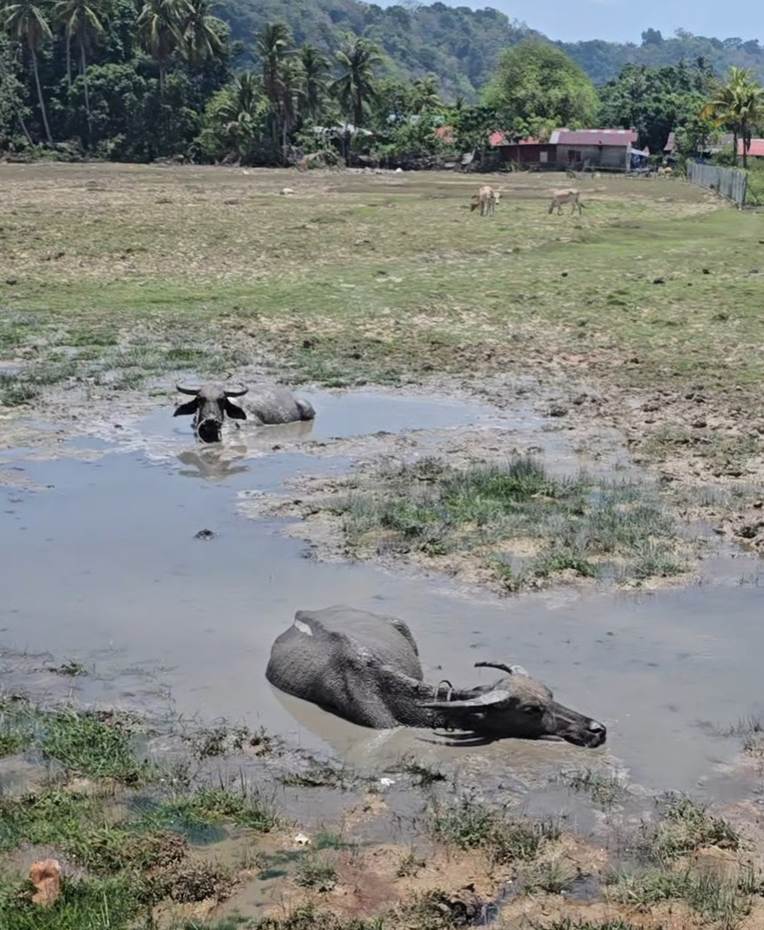
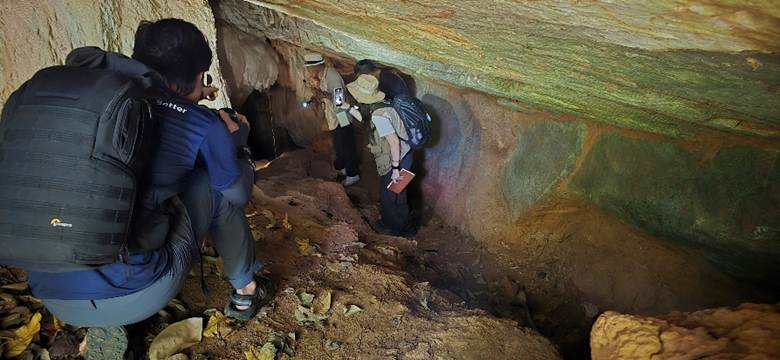
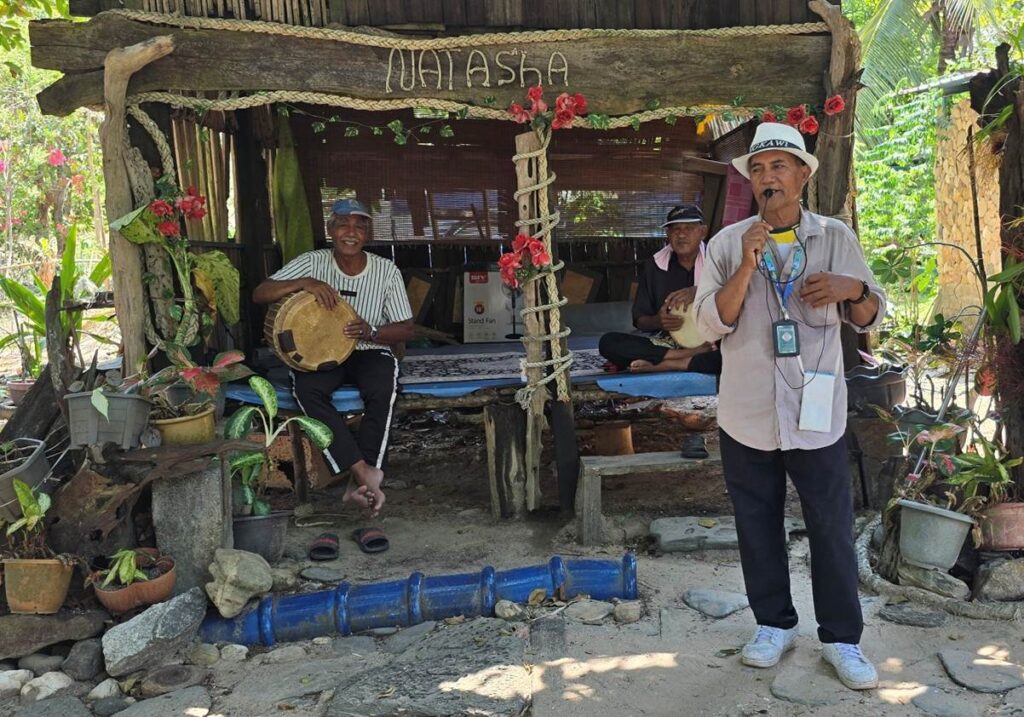
Visitors ride through rice fields framed by limestone hills, explore caves and geological sites around Bukit Kecik and wander through villages where traditions remain deeply connected to the sea.
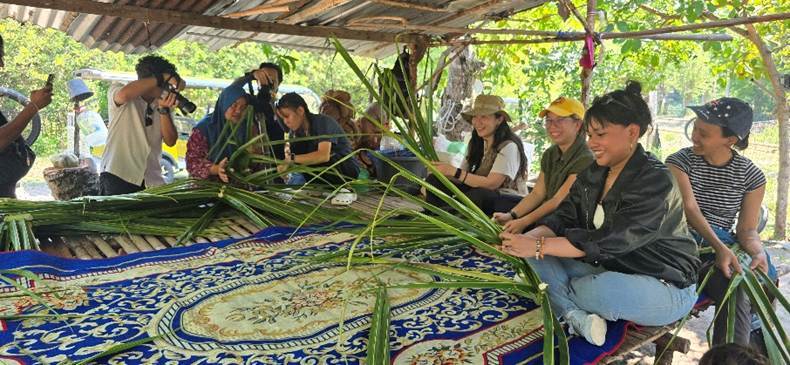
They learn about nipah weaving, visit small-scale salted fish producers and sample local delicacies and products made from recipes passed down through generations.
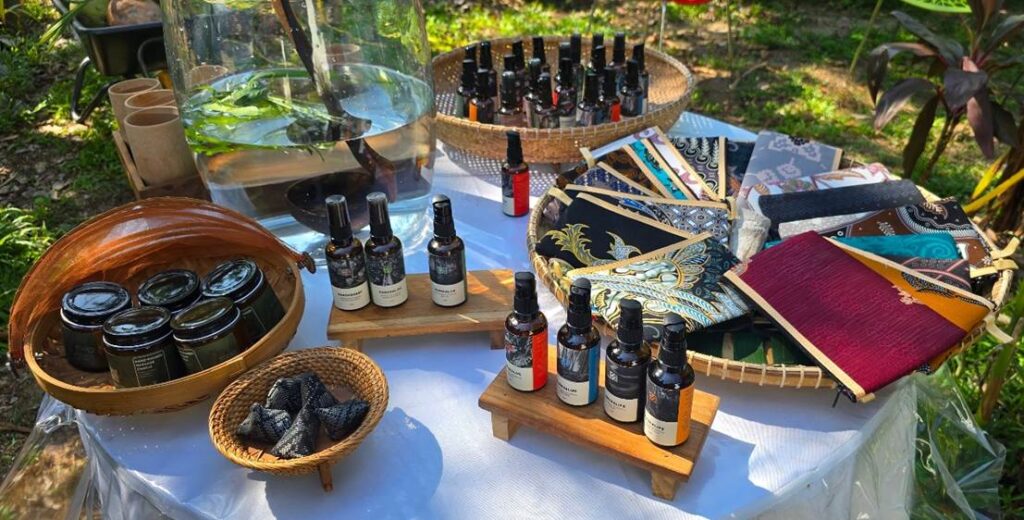
There is kelulut honey, fresh seafood and the obligatory coconut shake to combat the tropical heat in addition to local handicraft at quaint local stores.
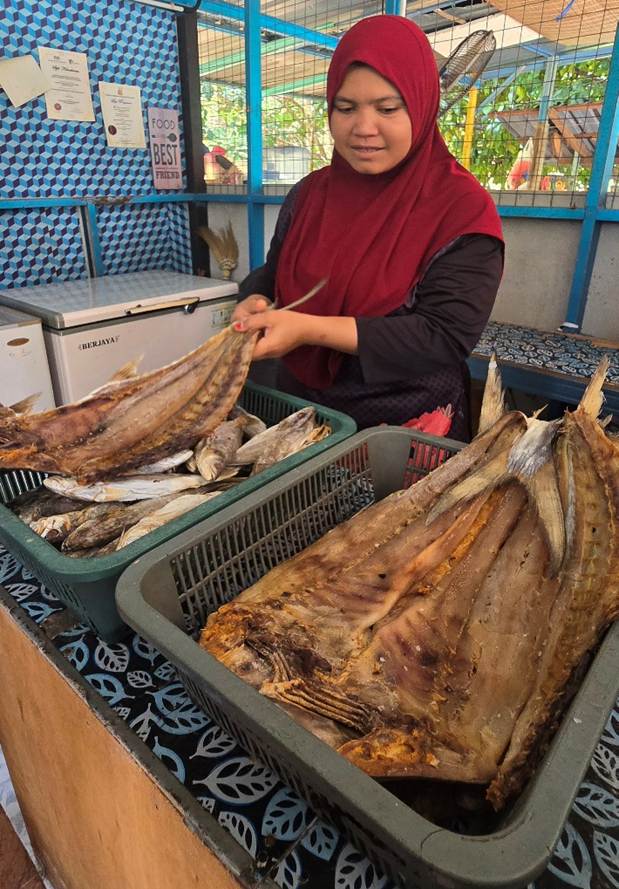
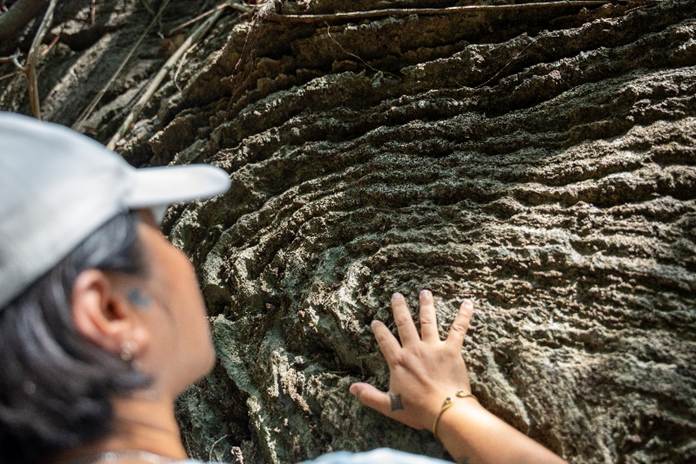
At Gua Tanjung Dendang and Pantai Talam Dua Muka, visitors encounter dramatic limestone formations and fossil beds that reveal chapters of Langkawi’s extraordinary geological history.
Some of the rocks found within the archipelago preserve evidence dating back hundreds of millions of years, helping establish Langkawi as one of the world’s most significant geological landscapes.
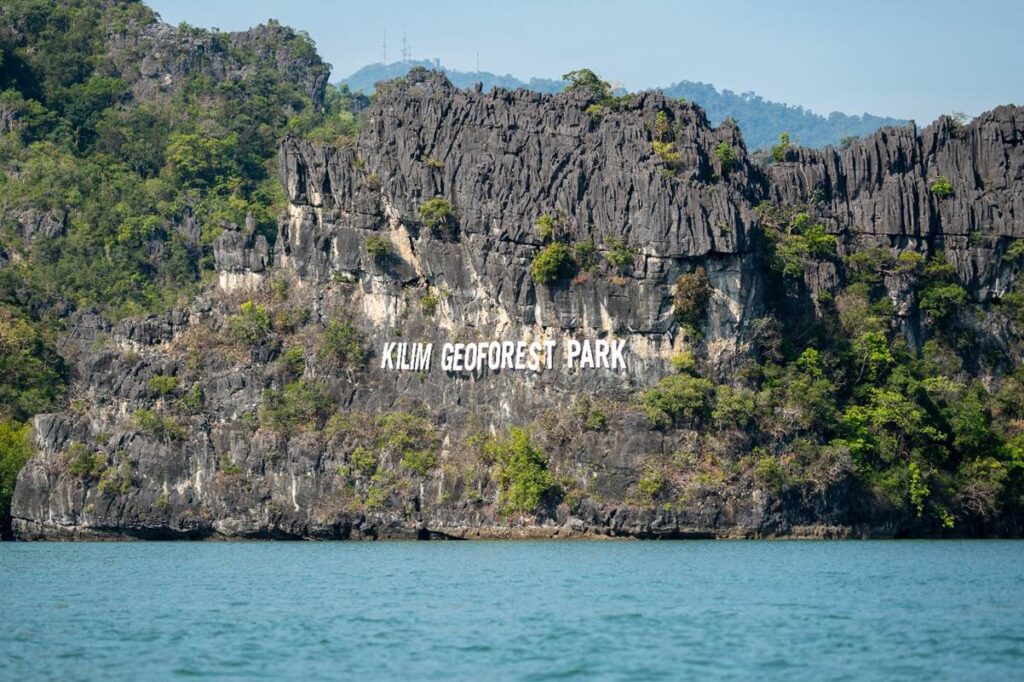
Nature enthusiasts find plenty to enjoy too. White-bellied sea eagles circle overhead.
Brown-winged kingfishers dart through mangrove forests. Otters patrol muddy waterways.
Monitor lizards bask on riverbanks. Near cave entrances, gulls – known as burung chamar to locals, wheel against towering limestone cliffs.
The programme also directs tourism spending into local communities through village guides, boat operators, food vendors and artisans – including a stop at the Kubang Badak Oyster farm.
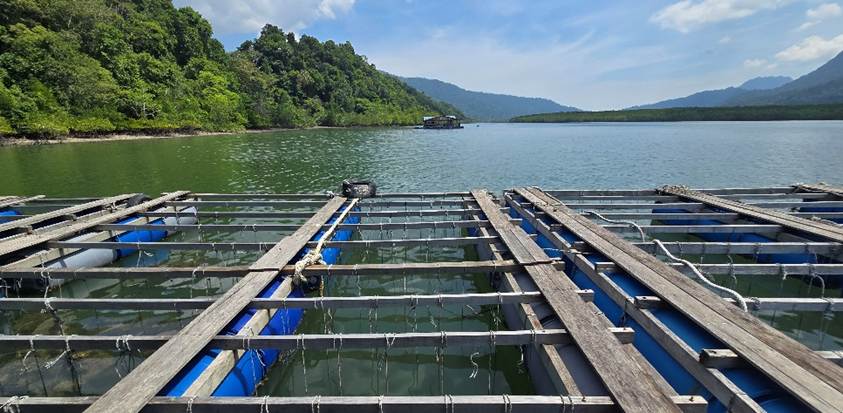
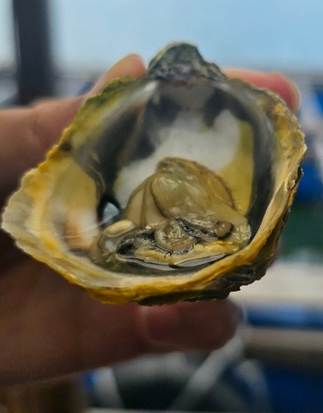
For MareCet, conservation and community development go hand in hand.
Protecting nature, they say, works best when local communities benefit as well.
The organisation makes it a point to involve local communities in its programmes. This allows residents, particularly those living on Langkawi’s smaller islands, to showcase their culture, heritage, attractions and locally made products.
Growth
Last year, MareCet signed a memorandum of understanding with the Department of Fisheries Malaysia, strengthening collaboration on marine mammal conservation and research.
The organisation which has earned awards and global recognition for its work is also advocating for a marine mammal-friendly boating code of conduct in Langkawi to minimise disturbance from tourism and recreational vessels.
At the same time, researchers continue expanding efforts to understand and protect Malaysia’s dolphins and porpoises through long-term monitoring, policy engagement and public education.
Because despite all the progress made over the past decade, Louisa believes Malaysia’s marine mammal story is still only beginning. For a country surrounded by sea, there remains much to discover. And perhaps that is MareCet’s greatest achievement so far – reminding Malaysians that some of the country’s most remarkable wildlife has been swimming just beyond their shoreline all along.
For more details on Langkawi Marine Explorer programme:
WhatsApp +6018-3453915
Facebook: Marine Expeditions by MareCet
Instagram: marecetexpeditions
E-mail: [email protected]
This trip was supported by:
Sustainable Tourism Malaysia
Co-chaired by:
The Habitat Foundation
Tengah Island Conservation.
Funded by:
Ministry of Finance Malaysia. – June 14, 2026