

KUALA LUMPUR – Sabah and Sarawak are increasingly perceived as ordinary states despite their position as equal founding partners in Malaysia, Warisan vice-president Junz Wong has said, attributing the shift to distorted historical narratives and incomplete implementation of the Malaysia Agreement 1963.
Speaking on a recent episode of Trick Lama, hosted by editor-in-chief Terence Fernandez alongside Big Boom Media executive director Datuk “Rocky” Ahiruddin Attan and Chief Executive Officer Datuk Zainul Arifin Mohammed Isa, Wong said misconceptions about Malaysia’s formation have contributed to a weakened understanding of Sabah and Sarawak’s constitutional position.
He said the way history is taught has played a major role in shaping public perception.
“The history book doesn’t have the right facts,” Wong, who is the former Sabah State Minister for Agriculture and Food Industries, said.
He added that the commonly accepted narrative that Malaysia achieved independence in 1957 has overshadowed the formation of the federation in 1963.
“My son is learning now, the independence days of Malaysia is 1957, which is not. 1957 was the independence day of Malaya,” he said.
Wong stressed that Sabah and Sarawak joined Malaya in 1963 following negotiations that recognised their rights and safeguards under MA63.
He said this historical context is often overlooked, leading many Malaysians to regard Sabah and Sarawak simply as two of the 13 states within the federation.
“Somehow in between, in some part of the history, they downgraded us with the intentions to hook wind or to downplay the identity or the roles of Sabahan and Sarawakians. They want us to think that we are states,” the Tanjung Aru assemblyman said.
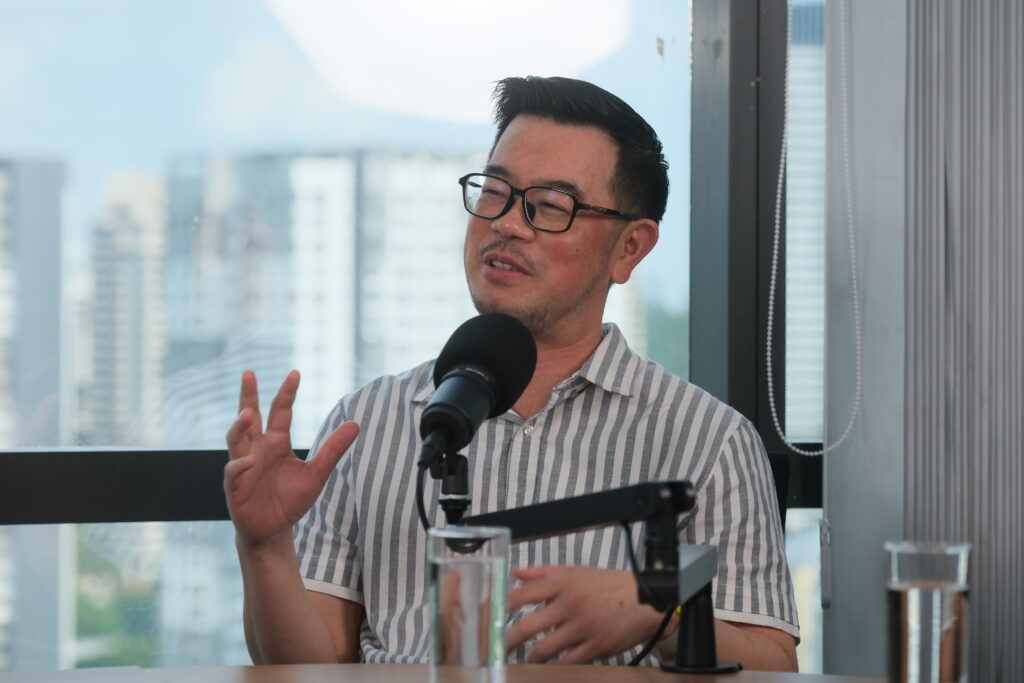
Wong argued that repeated framing in official narratives and education has diluted awareness, particularly among younger Malaysians.
“They want us to think that we are states. And they start to ask our children and ourselves to celebrate Malaysian Independence Day in 1957, hoping that one day everybody will forget our history, where we started off.”
He said correcting historical understanding should be the foundation for restoring Sabah and Sarawak’s rightful constitutional recognition.
Beyond historical recognition, Wong said several provisions under MA63 remain insufficiently implemented, particularly those involving state authority over resources, licensing and economic matters.
“Actually, we don’t have to expect. It’s already clearly stipulated in the Malaysia Agreement,” he stressed.
He questioned why Sabah, despite being resource-rich, continues to lag behind in infrastructure and basic services.
“Understanding that this wealth comes from us. Understanding that Sabahan wealth has been exploited and then being used for the building of the Malayans rather than being fair to us,” said the Kota Kinabalu division chief.
However, Wong emphasised that Sabah is not seeking separation from Malaysia, but fair implementation of agreed terms.
“We’re not saying that you shouldn’t build Malaysia. We don’t mind sharing our resources. But at least be fair to us.”
“Build our infrastructures, build our basic utilities and the basic transport accessibility. Very basic things you should build for us. And even that is not being fulfilled,” he added.
He said awareness of MA63 among younger Sabahans has grown in recent years, contributing to a broader political awakening.
“The awakening is greater now,” he said.
Wong also said Sabah’s slower development compared with neighbouring Sarawak reflects political fragmentation and a lack of unified leadership in defending state interests.
“Sabah didn’t have a better life but if you compare the life of Sarawakians, they have been much better,” he said.
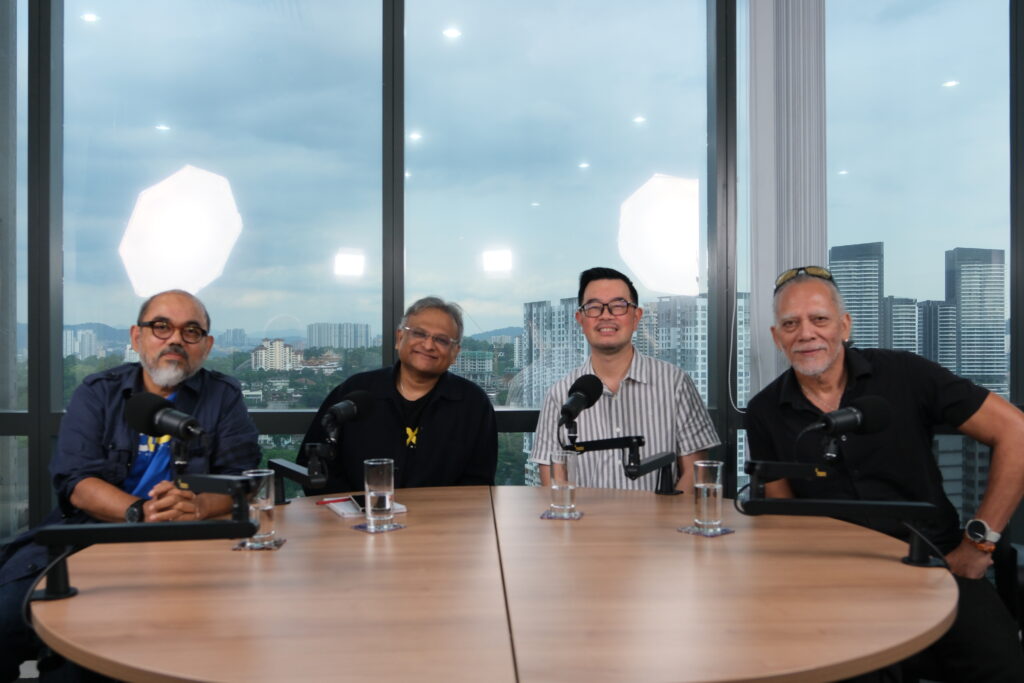
He warned that the gap could widen if structural issues are not addressed.
“I always say this, if the Sabahans are not awakened or don’t realise what’s happening to us and we are still very happy about what is happening, eventually in the next 20 years you will see another Singapore in Sarawak,” he added.
Earlier in the podcast, Wong also said Sabah’s development challenges stem partly from federal political influence and internal divisions among local leaders, which he claimed have weakened collective bargaining power.
He further argued that the presence of Peninsular-based political parties has contributed to fragmentation in Sabah’s political landscape and diluted efforts to advance a unified state agenda. – June 20, 2026