

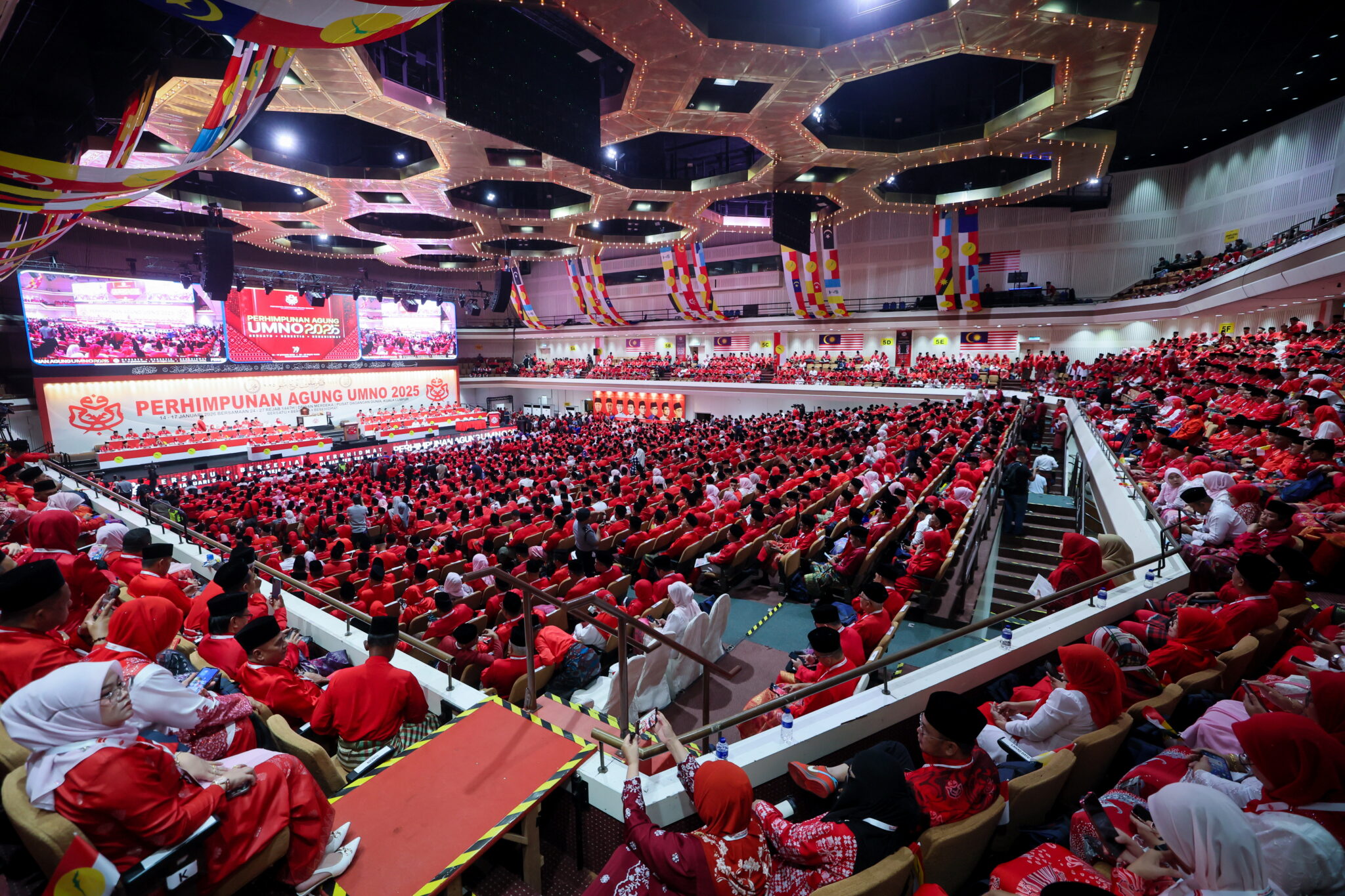
KUALA LUMPUR — The controversy surrounding former Umno Supreme Council member Datuk Mohd Puad Zarkashi’s resignation has reignited debate over leadership renewal within the party, with political analysts arguing that Umno cannot rely solely on new faces if it hopes to remain competitive.
Political analyst Associate Professor Mazlan Ali said political parties, including Umno, require a combination of experienced leaders and new talent to ensure continuity and stability.
“Umno cannot nominate all new faces because the party needs a combination of new faces and old faces. This applies to all parties, not just Umno,” he told Scoop when contacted.
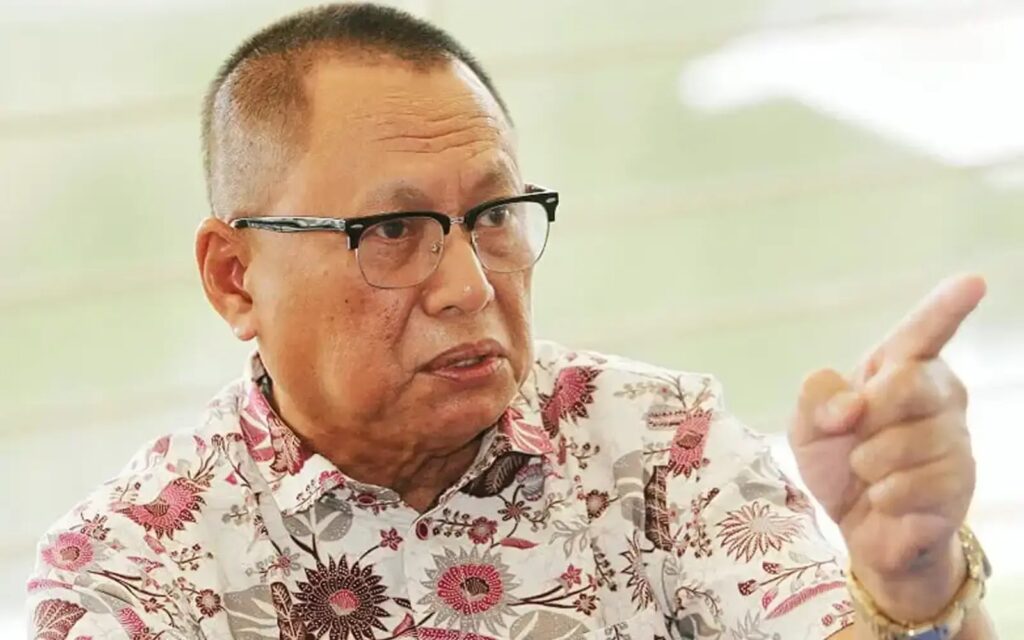
According to Mazlan, while younger leaders may bring fresh ideas and energy, experience remains an important asset in politics.
“New people, although efficient, lack experience and need guidance from old faces,” he said.
His remarks came after Puad criticised Umno’s leadership and candidate selection process before announcing his departure from the party. Among his criticisms was that Umno should move away from relying on veteran leaders.
However, Mazlan cautioned against treating such views as the final word.
“Puad Zarkashi’s opinion is his own personal opinion and is not necessarily accurate,” he said.
He pointed out that longevity in politics does not automatically diminish a leader’s relevance.
“There are leaders who have been around for too long but are still relevant because of their character and effective leadership. For example, Datuk Seri Anwar Ibrahim, Tan Sri Muhyiddin Yassin and Tan Sri Abdul Hadi Awang are almost 80 years old, but they are still needed.”
“What is important is that the party needs to present new candidates alongside old leaders to ensure its survival,” he added.
Mazlan acknowledged that Puad’s criticism could create some turbulence within Umno but stressed that the party leadership still has room to manage the situation.
“The criticism from Puad Zarkashi, a senior Umno leader, has had an impact on Umno, but the leadership still has ways to overcome and manage this situation,” he said.
At the same time, he noted that some of Puad’s criticisms should not be dismissed outright.
“Maybe some of his criticisms are true. If Umno leaders are sincere, they can consider some of the criticisms,” he said.
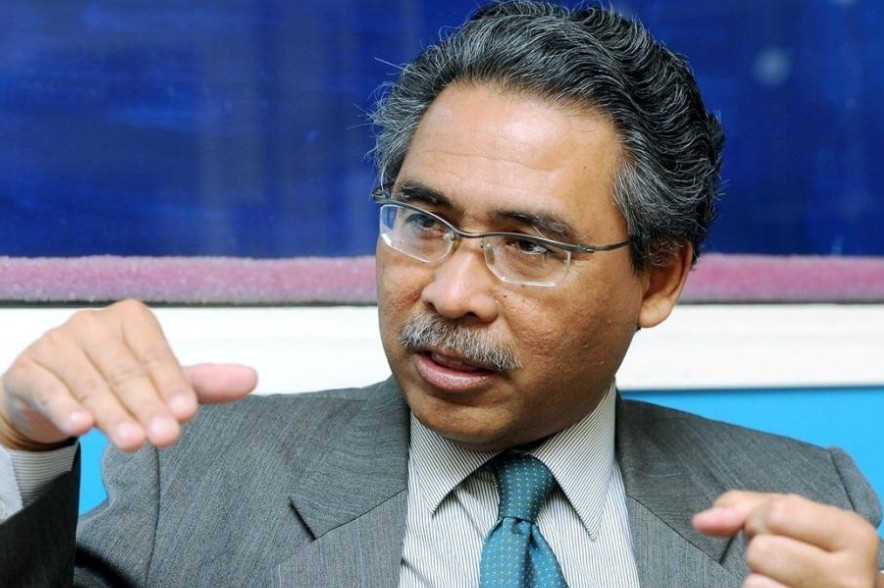
Meanwhile, political analyst and geostrategist Prof Azmi Hassan downplayed the potential impact of Puad’s resignation, arguing that it is unlikely to significantly affect Umno’s prospects in the upcoming Johor state election.
“His resignation or terminating his membership in Umno is not the first time. People in Umno really understand what is happening here.”
“I don’t think it will have any major negative impact on Umno in the upcoming state election,” he told Scoop.
Azmi also defended Umno’s approach to leadership and political management, saying the party has long demonstrated an ability to balance various interests while maintaining stability.
For now, both analysts agree that leadership renewal remains necessary, but not at the expense of experience.
As Umno prepares for the Johor polls, the challenge will be finding the right balance between introducing fresh faces and retaining veteran leaders who continue to command influence within the party.
Earlier, Puad Zarkashi announced his immediate resignation from Umno, alleging that Umno Johor had lost its ability to chart its own course and was now operating under the palace’s influence.
The former Johor State Assembly Speaker maintained that his departure was motivated by principle, not personal gain, saying he chose to stand by his convictions rather than remain silent over what he perceived as a loss of the party’s independence.
“With a heavy heart, I announce my resignation from Umno effective today, June 25, 2026. Umno need not trouble itself to expel me. This allows me to differ openly without being accused of betraying the party.
“Now I am free to criticise Umno — a platform I have long respected and cherished for Malays and Malaysians,” he said in a statement on Facebook today. — June 25, 2026