

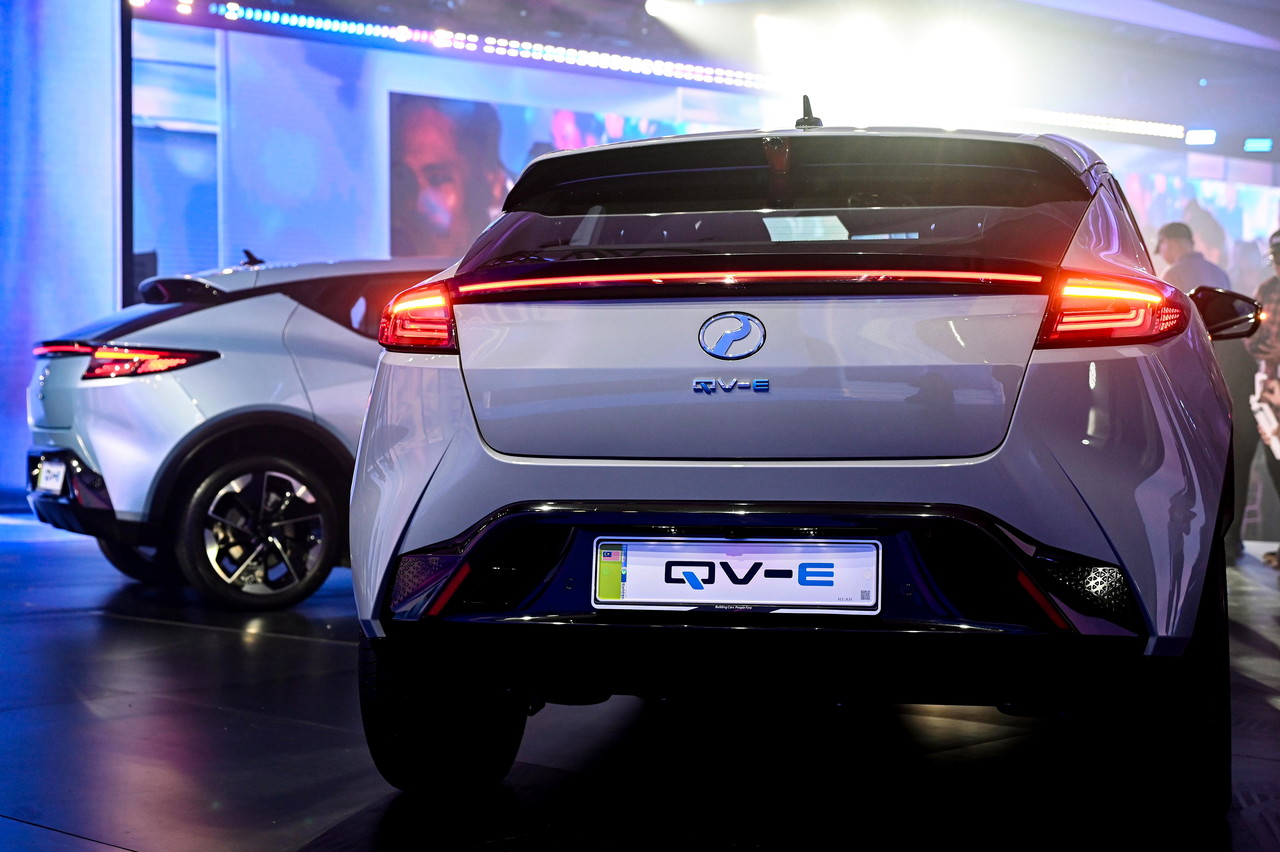
KUALA LUMPUR – Malaysia’s electric vehicle (EV) ambitions will remain out of reach for many ordinary Malaysians unless the country addresses two persistent challenges: inadequate charging infrastructure and the high cost of ownership, Bersatu vice-president Datuk Seri Ahmad Faizal Azumu said
Ahmad Faizal said the success of Malaysia’s EV transition depends not only on attracting global manufacturers, but also on ensuring Malaysians across all income groups have the confidence and means to make the switch.
He said one of the biggest barriers remains the uneven distribution of public charging facilities, particularly outside urban centres.
“No, and the gap bites hardest where the country is largest and least served: rural areas, smaller towns, the interstate highways, and above all Sabah and Sarawak,” the former Tambun MP told Scoop.
According to Ahmad Faizal, charging infrastructure continues to be concentrated in cities where early EV adopters are already based, leaving large parts of the country underserved.
“Our national blueprint set a target of 10,000 public charging points; by late 2024 only around a third had been installed, and unevenly spread, while a Chinese flash charger now refills a car in the time it takes to drink a coffee,” he said.
He said Malaysia has previously overcome similar nationwide infrastructure challenges and should approach EV charging with the same level of commitment.
“Malaysia has solved problems of this shape before. Rural electrification carried power to kampungs the market alone would never have reached; the North-South Expressway stitched the peninsula into one economy.
“Charging is the nation-building infrastructure of this generation and deserves the same seriousness.”
Ahmad Faizal said motorists should eventually be able to travel confidently without worrying about finding a charging station.
“A Malaysian must be able to assume, without anxiety, that they can charge at home, at work, at the mall and on the long drive home for Raya.
“Until that holds everywhere, not just the Klang Valley, adoption will stall at the city limits.”
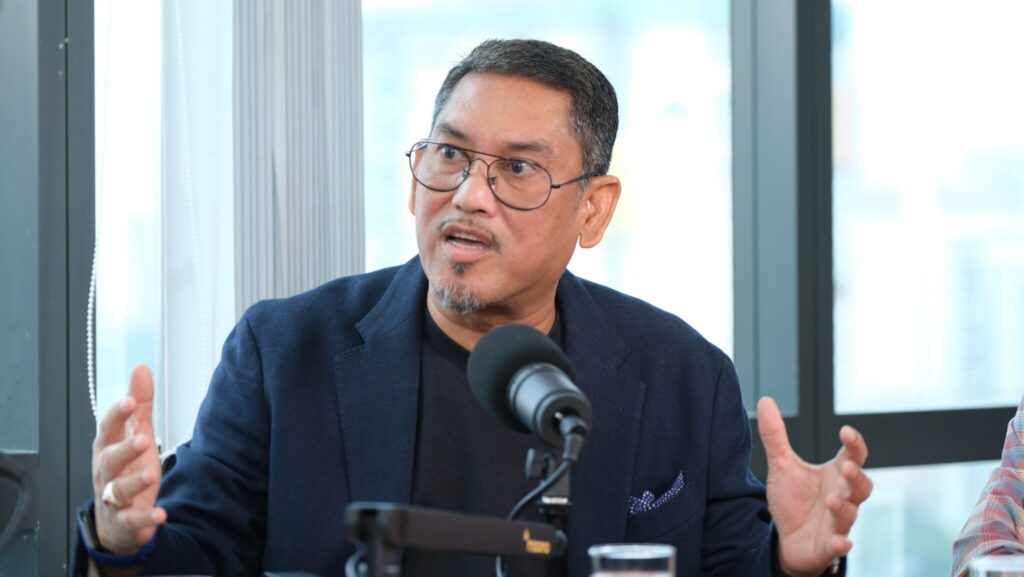
Beyond infrastructure, Ahmad Faizal believes affordability remains the biggest obstacle preventing EV ownership from becoming mainstream.
While acknowledging that existing government incentives have helped grow the market, he argued they have primarily benefited early adopters rather than average consumers.
“They were enough to create early adopters, not yet a market.
“The duty exemptions and road-tax holidays lit the spark; registrations have multiplied, but the buyers remain overwhelmingly from the top income bracket.”
He said many middle-income families remain hesitant because of the higher upfront purchase price and concerns over long-term maintenance costs.
Instead of broad-based incentives, Ahmad Faizal called for more targeted measures to make EV ownership practical for first-time buyers.
“What we need now is sharper and more targeted: support for genuinely affordable models, local assembly, used-EV financing, battery-warranty assurance and home charging.
“They should reward the family choosing their first electric car as much as the executive choosing their third.”
He also urged the government to expand incentives for private companies to accelerate the nationwide rollout of charging infrastructure.
Pointing to Tesla’s entry into Malaysia under the Battery Electric Vehicle Global Leaders Initiative, Ahmad Faizal said the model should be replicated across other sectors.
“When Tesla was admitted under the Battery Electric Vehicle Global Leaders Initiative, it came with an obligation: install dozens of DC fast chargers within three years and open a meaningful share to the public.
“That is the right instinct: let private capital build the network in exchange for market access.”
He said similar incentives should be extended to property developers, shopping malls, hotels, petrol stations, industrial parks, local councils and highway concessionaires.
Looking ahead, Ahmad Faizal outlined three immediate priorities he believes should guide the government’s EV agenda.
“Accelerate the national charging rollout, biased toward the places the market keeps skipping: rural communities, the highways, Sabah and Sarawak. Treat it as the rural electrification project of our era.”
He also called for stronger incentives to support affordable EV ownership and local assembly, alongside the establishment of a single fast-track approval mechanism to coordinate investment and infrastructure development across ministries and agencies.
Ahmad Faizal said making EVs a practical choice for ordinary Malaysians will ultimately determine whether the country’s transition succeeds. — July 6, 2026