

KUALA LUMPUR — The government has introduced additional measures to ease the implementation of the e-Invoice system for small and medium enterprises (SMEs), including a longer transition period, a higher income threshold and new tax incentives aimed at reducing compliance costs.
Prime Minister Datuk Seri Anwar Ibrahim said the measures were introduced after taking into account concerns raised by businesses over the cost and challenges of adapting to the new digital tax system.
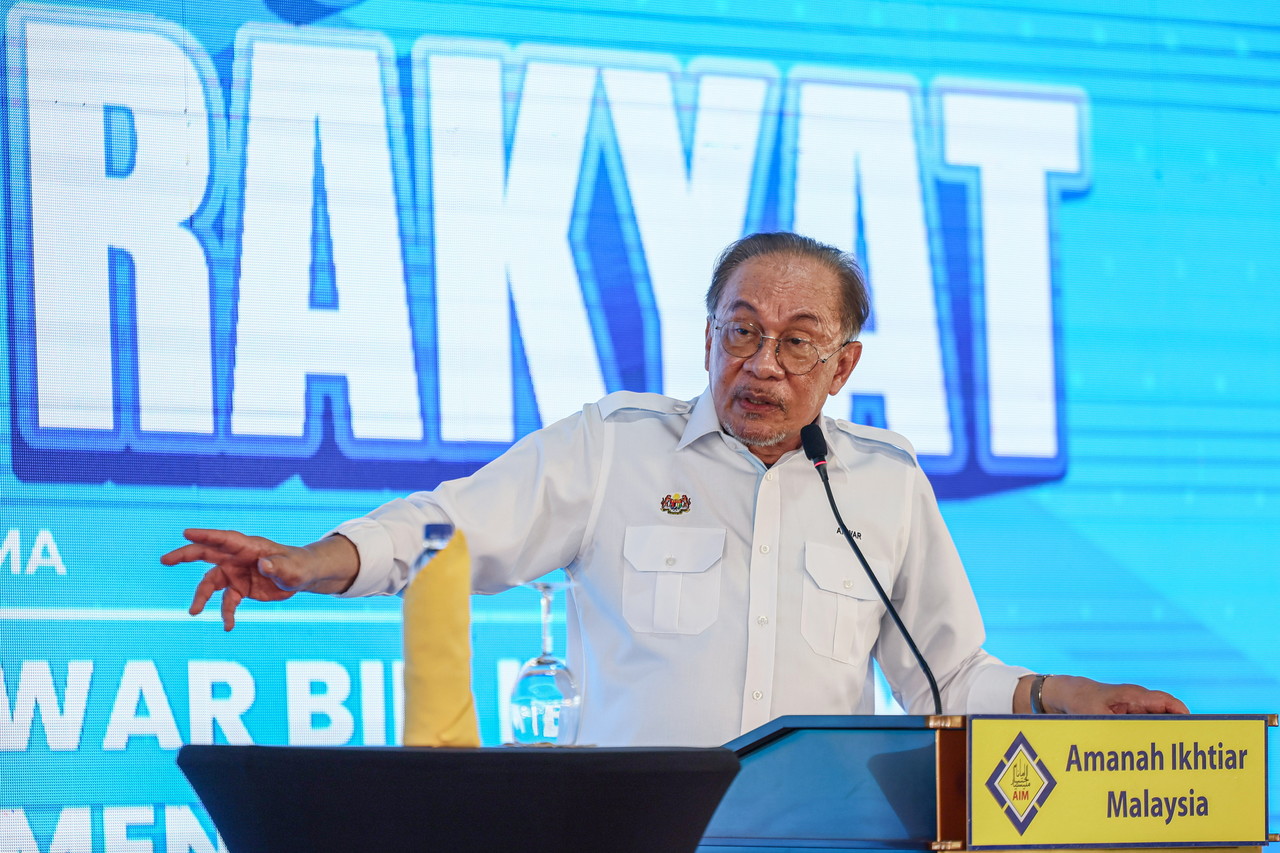
“I take this opportunity to announce additional measures to reduce the cost of business regulation,” he said during the Prime Minister’s Question Time in the Dewan Rakyat today.
Anwar said the government had progressively revised the e-Invoice implementation timeline, raising the mandatory implementation threshold from RM500,000 to RM1 million in December 2025 before increasing it further to RM5 million.
He said the transition period has also been extended until Dec 31, 2027, giving businesses more time to comply with the new requirements.
To further encourage voluntary adoption, Anwar announced the Voluntary e-Invoice Recognition Programme, which will run until Dec 31, 2027.
Under the programme, businesses that voluntarily adopt e-Invoice will not be penalised by the Inland Revenue Board (LHDN) for updates or adjustments made during the transition period.
“This means that for the current period, any measures taken such as updates will not be penalised by LHDN. This is a big decision and usually does not happen to income taxpayers,” he said.
Businesses that fully comply with the e-Invoice system will also be eligible for accelerated tax incentives through a full tax allowance within one year for qualifying expenses incurred in implementing the system.
Anwar said the measures formed part of the government’s broader efforts to reduce regulatory burdens while encouraging businesses to embrace digitalisation.
Beyond the e-Invoice initiative, he said the government continues to strengthen support for SMEs through financing assistance and measures to lower operating costs.
He said more than RM15 billion in financing guarantees had been provided to help businesses affected by the West Asian crisis.
Since May, Bank Negara Malaysia has channelled almost RM1 billion in financing to more than 1,500 SMEs, while the SJPP financing guarantee scheme approved RM4.9 billion in loans during the first half of 2026, benefiting over 6,000 SMEs.
Microcredit facilities provided through Bank Simpanan Nasional, Agrobank and TEKUN Nasional totalled RM2.1 billion, benefiting about 195,000 micro-entrepreneurs.
Anwar said SMEs remain a key pillar of the Malaysian economy, contributing 39.5 per cent of the country’s gross domestic product (GDP), employing 8.1 million Malaysians and generating RM196.8 billion in exports.
To further ease operating costs, he said Kuala Lumpur City Hall (DBKL) had reduced rental rates for government-owned business premises by 80 per cent, while Majlis Amanah Rakyat (MARA) introduced a 20 per cent rental reduction from June 1.
“We have encouraged state governments, followed by Selangor and Penang. I hope other states will also reduce the rental of business premises,” he said.
Anwar said the measures demonstrate the government’s commitment to supporting SMEs while ensuring businesses can transition smoothly to digital initiatives such as the e-Invoice system. – July 7, 2026