

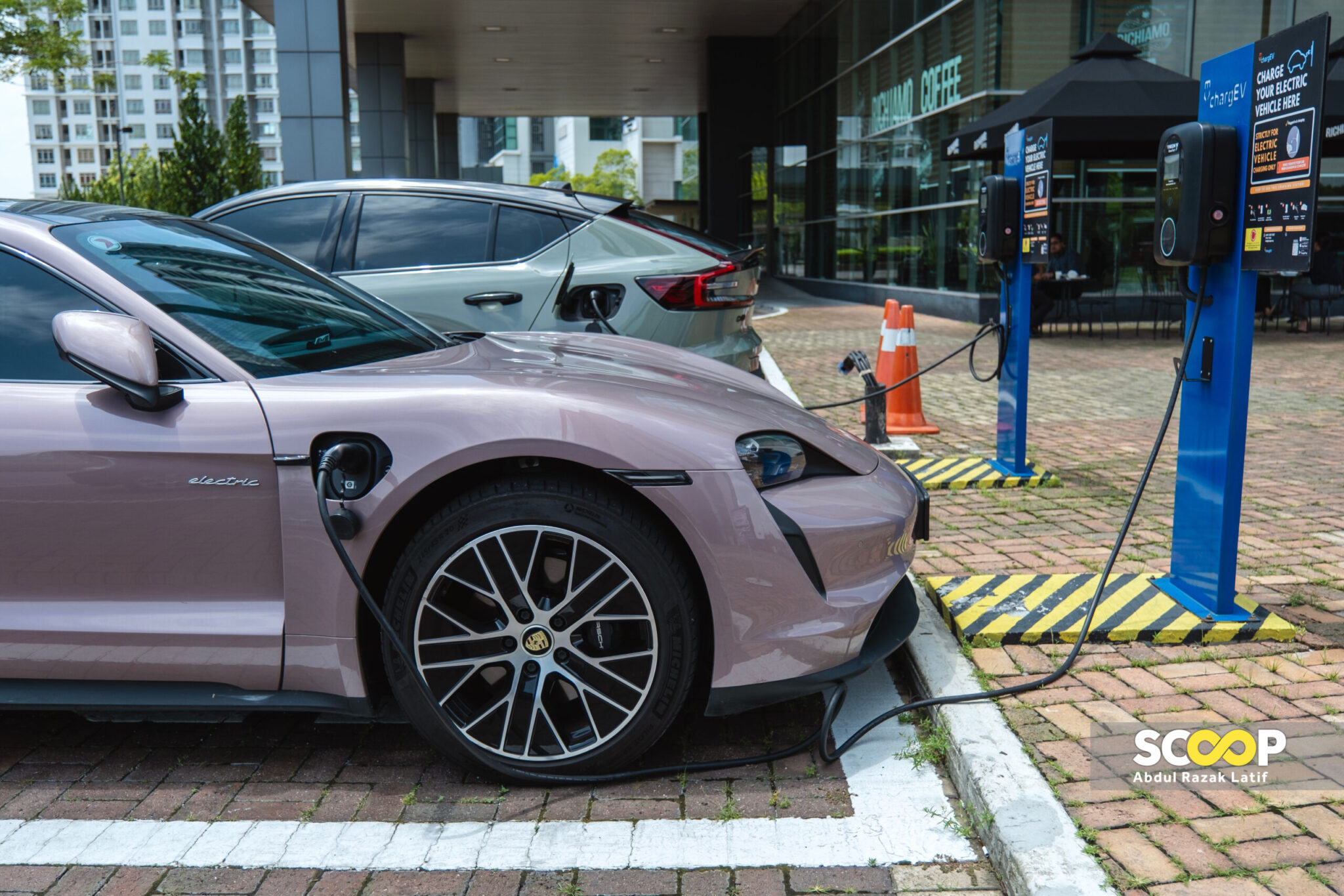
KUALA LUMPUR – As Malaysia pushes ahead with its electric vehicle (EV) ambitions, economists are urging policymakers to strike a careful balance between investing in charging infrastructure and meeting competing public spending priorities such as healthcare, education and cost-of-living assistance.
While opinions differ on the extent of government involvement in developing the country’s EV ecosystem, economists agree that fiscal discipline must remain a key consideration as Malaysia expands its charging network.
Economist Geoffrey Williams argued that government spending on EV infrastructure would largely benefit higher-income households, questioning whether public funds should be used to support what is essentially a private market.
“Any further investment by the government is essentially a subsidy for the rich. Investment in EV infrastructure will add nothing to economic growth because it is a transfer of spending from petrol and diesel vehicles, so it is net neutral,” he told Scoop.

Williams said charging infrastructure should instead be financed by private companies rather than taxpayers.
“It is not the government’s job to invest in EV infrastructure. EVs are private vehicles, and the infrastructure should be provided by the private sector according to demand,” he added.
Centre for Market Education chief executive officer Carmelo Ferlito echoed concerns over expanding public spending, saying the current fiscal environment is not conducive to major government investment programmes.
“Given fiscal pressures, this is not the right time for large new subsidies or prestige infrastructure programmes.
“EVs should compete on price, performance and convenience. Public funds should not be used to shield a particular technology from normal market competition,” he said.
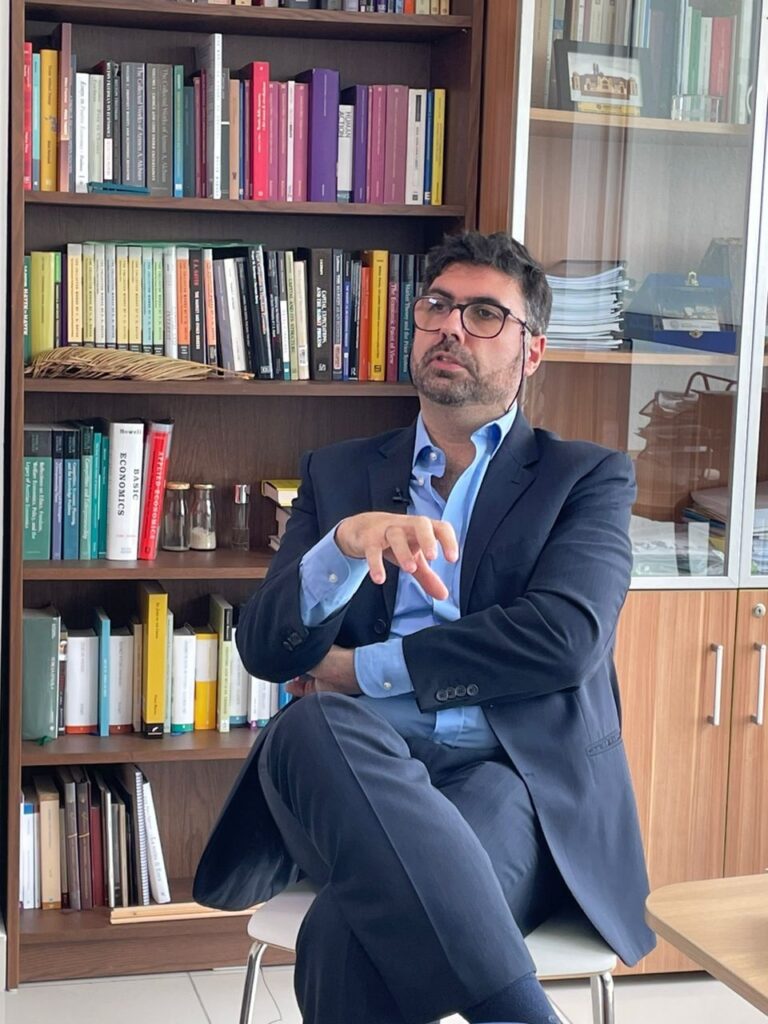
Ferlito also argued that spending on EV infrastructure should not take precedence over essential public services.
“Essential public services should take priority over subsidising private vehicle choices. The government should focus on creating a neutral regulatory environment, while infrastructure providers and consumers bear most of the commercial cost of EV adoption,” he added.
He warned that government-led investment could result in costly infrastructure that fails to generate sufficient economic returns.
“Public spending does not automatically create economic value. Investment is sustainable only when users are willing to pay enough to support its operation and maintenance,” he said.

However, Dr Samirul Ariff Othman said fiscal constraints should not automatically delay investments that prepare Malaysia for long-term economic transformation.
“Yes, but spending must be selective, catalytic and fiscally disciplined,” he said.
He argued that productive infrastructure, if implemented carefully, can support investment, create employment and prepare Malaysia for structural economic changes.
“Well-designed infrastructure can support investment, create employment and prepare Malaysia for structural changes that will occur regardless of short-term economic conditions,” he said.
At the same time, Samirul stressed that EV spending should never come at the expense of essential government responsibilities.
“Healthcare and education generate broad social returns and must remain core public responsibilities. By comparison, much of the EV charging market can eventually operate commercially,” he said.
Instead, he said public funding should be used strategically to unlock significantly larger private investments while maintaining fiscal discipline.
“The better model is to use limited public funds to mobilise much larger private investments,” he added.
Samirul proposed prioritising public expenditure on upgrading electricity grid connections, improving regulations, preparing strategic charging locations and supporting underserved areas, while commercially viable sites should largely be left to private investors.
He also said incentives should be gradually phased out as the industry matures.
“Support should decline as vehicle prices fall, charger utilisation rises and the industry becomes commercially mature. Permanent subsidies could distort the market and impose avoidable fiscal costs,” he said.
Although the economists differ on the scale of government involvement, they broadly agree that public spending should be carefully targeted and that the private sector must eventually become the primary driver of Malaysia’s EV ecosystem.
As policymakers weigh future investments, the challenge will be balancing the country’s long-term transition to electric mobility with the need to safeguard public finances and ensure limited resources continue to support essential services that benefit all Malaysians. – July 20, 2026