


KUALA LUMPUR – The Education Ministry (KPM) must prioritise psychological first aid and transparent communication to help stabilise school communities affected by the recent stabbing incident, The UCSI University lecturer Othman Talib said.
Speaking to Scoop, the education expert said the ministry’s immediate response should extend beyond tightening physical security to addressing the emotional wellbeing of students, teachers and parents.
He warned that institutional silence after a crisis could fuel speculation and heighten public anxiety, stressing that KPM must provide clear updates on confirmed facts while outlining the immediate steps taken to protect students.
“The immediate priority for KPM is stabilising the affected school ecosystem through structured psychological first aid and transparent communication.
“In the wake of a crisis, institutional silence feeds speculation and intensifies public anxiety. The ministry must decisively clarify established facts while outlining immediate, localised protective measures,” Othman told Scoop when contacted.
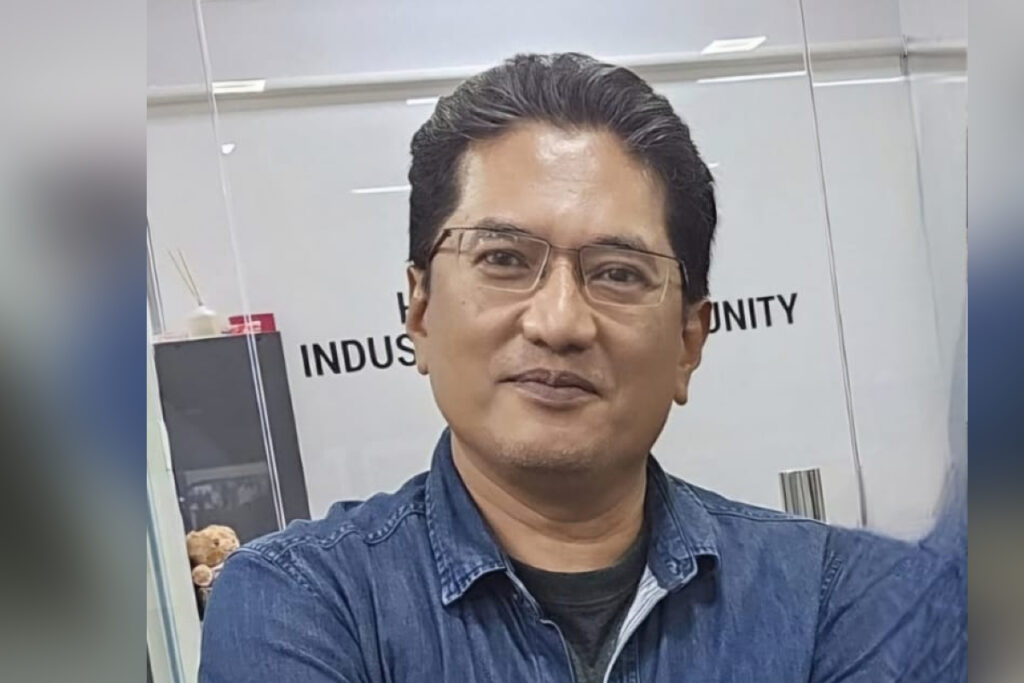
His comments come amid growing concerns over school safety and renewed calls for stronger preventive measures following the recent violence at a school.
However, Othman said accountability should not end with reviewing existing policies or standard operating procedures (SOPs), as their effectiveness ultimately depends on consistent implementation.
“True accountability goes beyond confirming the existence of a circular or standard operating procedure. The critical focus must be on execution, resource allocation and continuous monitoring,” he said.
He added that KPM should evaluate the entire operational chain from the ministry to state education departments (JPN), district education offices (PPD) and school administrators instead of placing responsibility solely on teachers or frontline staff.
Othman also urged the ministry to view serious behavioural issues among students as potential indicators of deeper emotional or social challenges that may have gone undetected.
“Our system must recognise that severe behavioural disruptions are often the final and visible indicators of deep-seated socio-emotional alienation or systemic neglect that went unnoticed,” he said.
He also called for the introduction of a formal near-miss reporting system in schools, where incidents that could have escalated into serious harm are documented and analysed.
Events such as unauthorised entry, minor altercations or security lapses, he said, should not be dismissed simply because they did not result in tragedy.
“Malaysia must adopt this preventive stance because we cannot afford to wait for a fatality to validate a security warning,” he said.
Beyond immediate crisis management, Othman said schools should strengthen collaboration between teachers, disciplinary units and counselors to identify students who may require early intervention.
Warning signs such as sudden academic decline, social withdrawal, chronic absenteeism or unusual aggression should trigger professional support rather than immediate disciplinary action, he said.
“Violent escalation is rarely a spontaneous event. It is almost always the culmination of prolonged emotional distress left unaddressed by the support systems around them,” he added.
Othman stressed that improving school safety should not mean turning schools into heavily controlled environments. Instead, he advocated a balanced approach that combines appropriate physical security measures with a stronger culture of care, prevention and early intervention.
“Physical barriers are entirely ineffective against internal crises. A school can fortify its gates but still remain completely blind to a student dealing with severe emotional distress, social isolation or domestic trauma,” he said.
He added that restoring public confidence requires more than announcing new policies, with KPM needing to demonstrate measurable improvements through transparency, monitoring and continuous evaluation.
“Compliance metrics must shift from superficial paperwork to verifiable operational indicators,” he said, adding that these should include the effectiveness of access controls, emergency drills, student intervention programmes and responses to reported risks.
Othman said long-term school safety depends on shifting from a reactive approach to a preventive system capable of identifying risks before they escalate.
He proposed a simplified and confidential digital reporting platform that would allow schools to log physical security concerns and behavioural warning signs, enabling KPM to analyse trends and identify emerging risk clusters.
Such a system, he said, would help the education ministry address vulnerabilities early while ensuring schools remain safe environments for learning and development. – July 20, 2026