

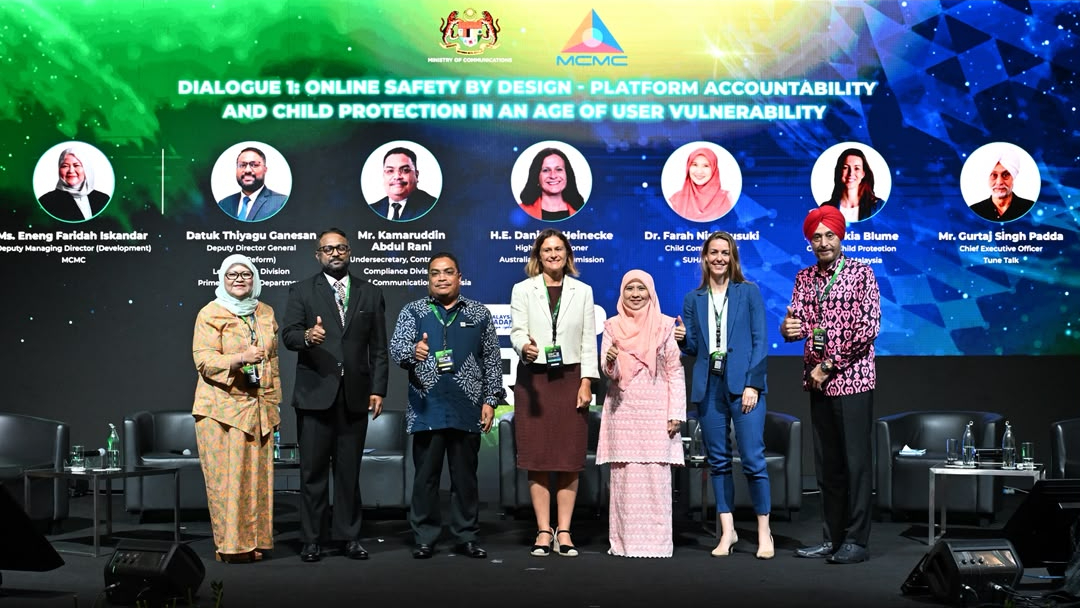
KUALA LUMPUR – Malaysia has taken a major step forward with the introduction of the Online Safety Act (ONSA), but experts warn that the real challenge lies beyond legislation — ensuring the law is effectively implemented and enforced.
Speaking at a panel discussion on online safety and platform accountability, panellists agreed that legislation alone is insufficient. Instead, the focus must shift towards building a safer digital ecosystem through stronger enforcement, greater industry accountability and increased awareness among parents and children.
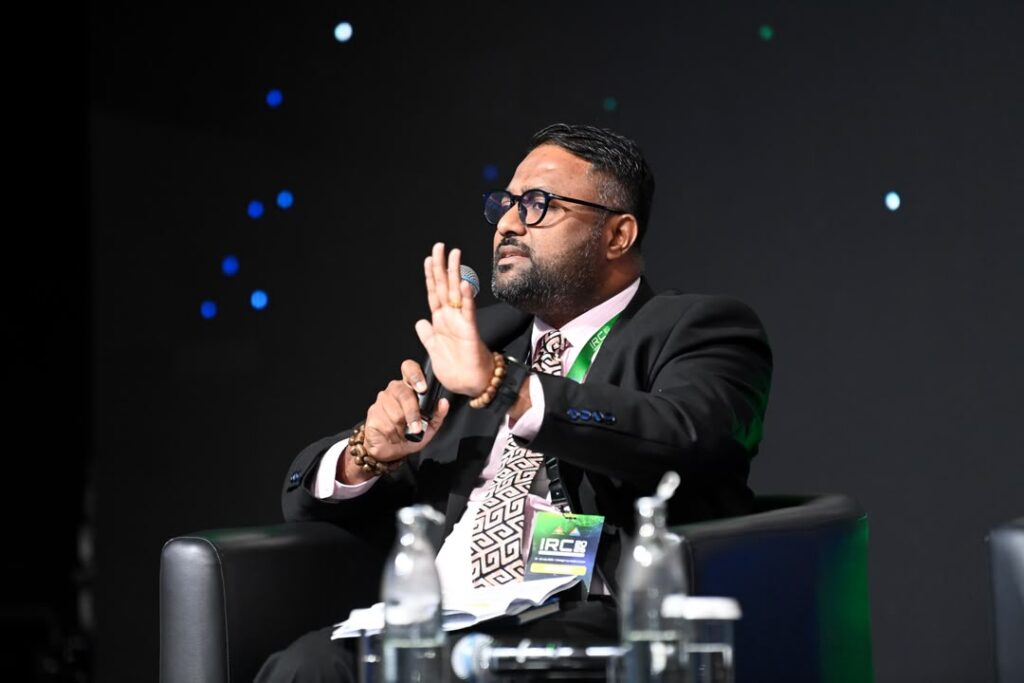
Deputy Director-General (Law Reform) of the Legal Affairs Division in the Prime Minister’s Department, Datuk Thiyagu Ganesan, said ONSA’s success should not be measured by the number of enforcement actions taken against online platforms, but by whether it increases public confidence in online safety.
“From my perspective, success should not be measured by how many enforcement actions we take against platforms. That is not the benchmark,” he said.
Instead, he said the ultimate goal is to create an online environment with safer default settings and responsible recommendation systems that give parents greater confidence that their children can use the internet safely.
“When we drafted the Act, with the support of the Malaysian Communications and Multimedia Commission (MCMC), our objective was to create a system that provides safer default settings and responsible recommendation systems so parents can feel more assured that their children are protected online,” he added.
However, Chief Children Commissioner at the Human Rights Commission of Malaysia (Suhakam), Dr Farah Nini Dusuki, said Malaysia’s biggest challenge is not the absence of laws but ensuring they are properly enforced.
“Over the past three years, I have seen that we already have many laws governing different aspects of children’s lives. What we continue to struggle with is effective implementation and enforcement,” she said.
Farah said Malaysia needs stronger oversight mechanisms to assess how laws are being implemented and identify areas that require improvement.
She also stressed that online safety should adopt a preventive approach, similar to how physical environments are designed to protect children.
“We do not expect children to learn how to cross dangerous roads. We build safer roads,” she said, adding that the same principle should apply to the digital environment.
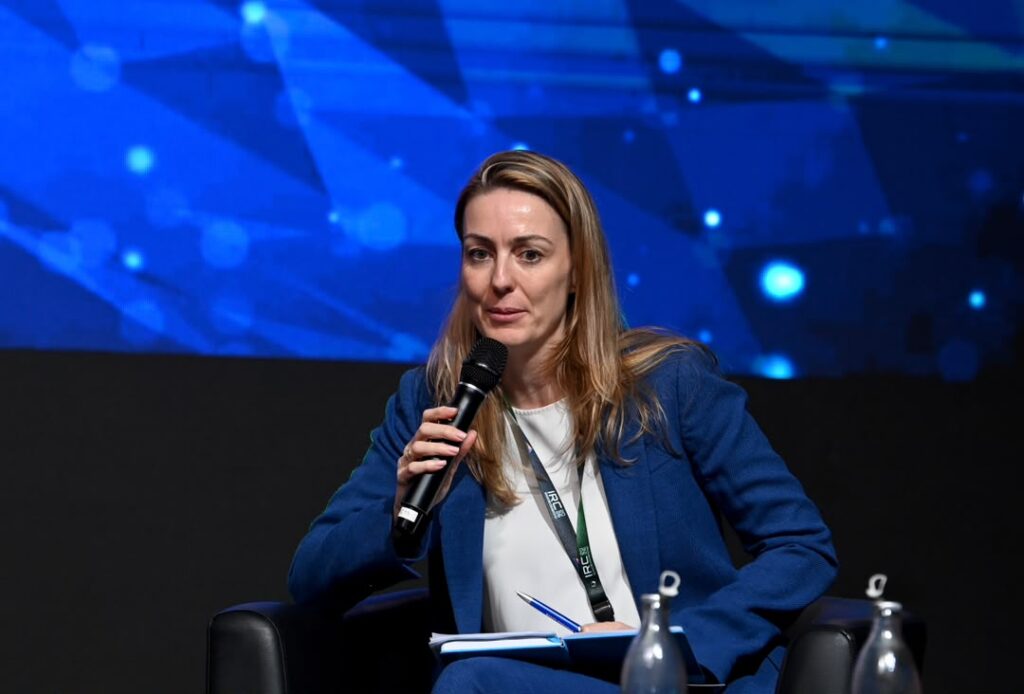
Unicef Malaysia Chief of Child Protection Saskia Blume said platform accountability must be central to online safety efforts, as the responsibility should not rest solely on children.
“The burden should not be on children to adapt to an unsafe digital environment. The responsibility is on all of us to ensure the digital environment is safe and appropriate for children,” she said.
She added that regulators should establish clear benchmarks to assess whether platforms are meeting their obligations, including conducting child rights impact assessments and complying with stronger transparency requirements.
Australian High Commissioner Danielle Heinecke shared Australia’s experience after introducing legislation requiring social media platforms to take reasonable steps to prevent children under the age of 16 from opening accounts.
She said regulation and enforcement are important but must be complemented by education, parental involvement and community support.
“We should not expect legislation or fines alone to solve every problem, nor should we outsource parenting entirely,” she said.
Heinecke added that Australia’s approach is not about banning children from social media, but delaying access until they have developed stronger digital literacy and online resilience.
Meanwhile, Undersecretary of the Control and Compliance Division at the Communications Ministry, Kamaruddin Abdul Rani, said regulators should prioritise “safety by design”, where platforms are built with user protections from the outset.
“The design of the platform is most important. If safety is built into the platform from the beginning, it becomes much easier for regulators and lawmakers to ensure compliance,” he said.
Tune Talk chief executive officer Gurtaj Singh Padda said industry players also have a role in protecting children by giving parents greater control over the online services their children can access.
He argued that technology companies are more likely to change their behaviour when there are tangible commercial consequences.
“The only way to get platforms to act is not through regulation alone, but by affecting their business. We have the ability to cut access to services such as TikTok or Facebook if necessary,” he said.
As Malaysia moves forward with ONSA, experts believe the next phase will determine whether the legislation translates into meaningful protection for children.
The challenge, they said, is no longer about creating new rules, but ensuring governments, technology platforms, industry, parents and educators work together to build a safer internet. – July 23, 2026