

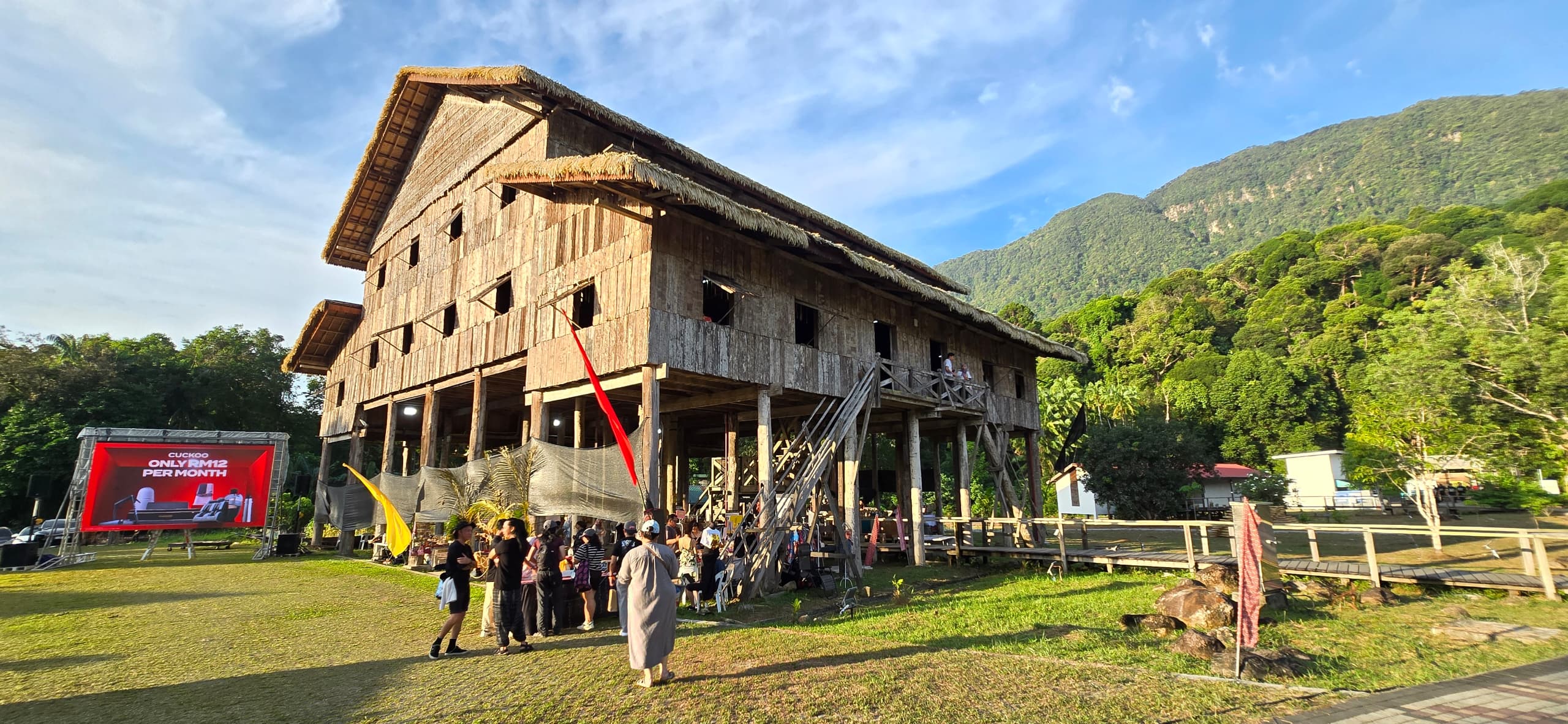
KUALA LUMPUR – For decades, heritage has been defined primarily by monuments, historic buildings, and archaeological sites.
The Malaysian National Committee of the International Council on Monuments and Sites (ICOMOS Malaysia) wants to broaden that view by recognising living heritage the traditions, knowledge and cultural practices that shape communities at the upcoming 22nd ICOMOS General Assembly and Scientific Symposium (GA2026) themed – “Living Heritage: Respect, Enhance, Accept, Partnership.”
Challenging western paradigms
For much of the past century, international conservation frameworks have been shaped by Western ideas of heritage. In the Venice Charter adopted in 1964, heritage came to be understood largely as tangible structures.
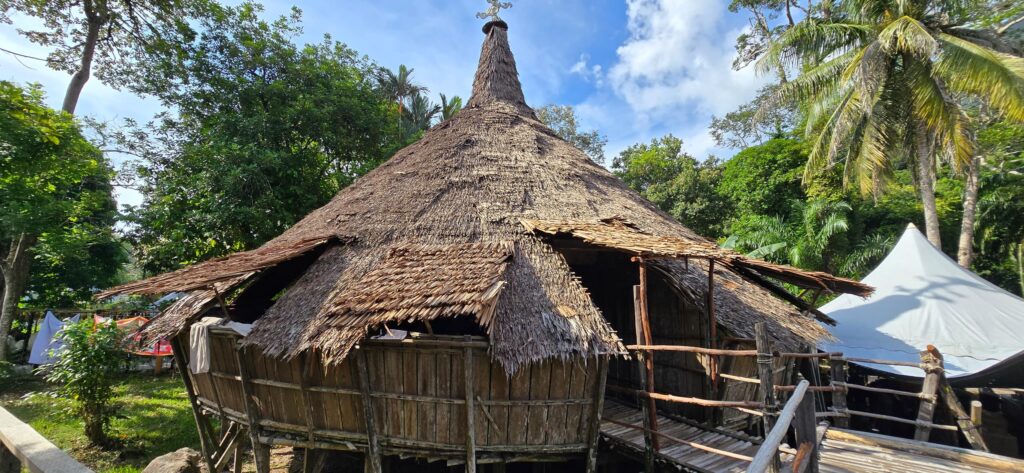
“But what about civilisations built from wood?” asked ICOMOS Malaysia President Faisal Abd Rahman during a media briefing ahead of the assembly. “In Malaysia and many parts of Asia, our buildings don’t survive for a thousand years. They disintegrate. Does that mean we don’t have heritage? Does that mean we don’t have civilisation?”
His questions go to the heart of why GA2026 matters. For the first time, the ICOMOS General Assembly will be held in Southeast Asia, giving the region an opportunity to introduce perspectives that have long sat outside the dominant conservation narrative.
In this part of the world, the legacy of a civilisation often survives not in stone, but in craftsmanship, oral traditions, Indigenous knowledge, and community practices passed down through generations. Through GA2026, Malaysia hopes these living traditions will gain the same global recognition as monuments and archaeological sites.
Traditional solutions for climate resilience
“One of the reasons why we chose Sarawak for ICOMOS GA2026 is because of its Indigenous knowledge,” Faisal said, adding that many of these centuries-old practices could help shape present-day climate resilience strategies.
As the world grapples with climate change, organisers believe some of the most valuable solutions may already exist in traditional knowledge.
“When we talk about climate today, our ancestors already had solutions,” Faisal noted. “They knew how to build, how to manage the landscape, and how to manage ecosystems. We are now realising that many of the solutions for heritage conservation already exist in traditional knowledge.”
The assembly will also challenge conventional ideas of preservation.
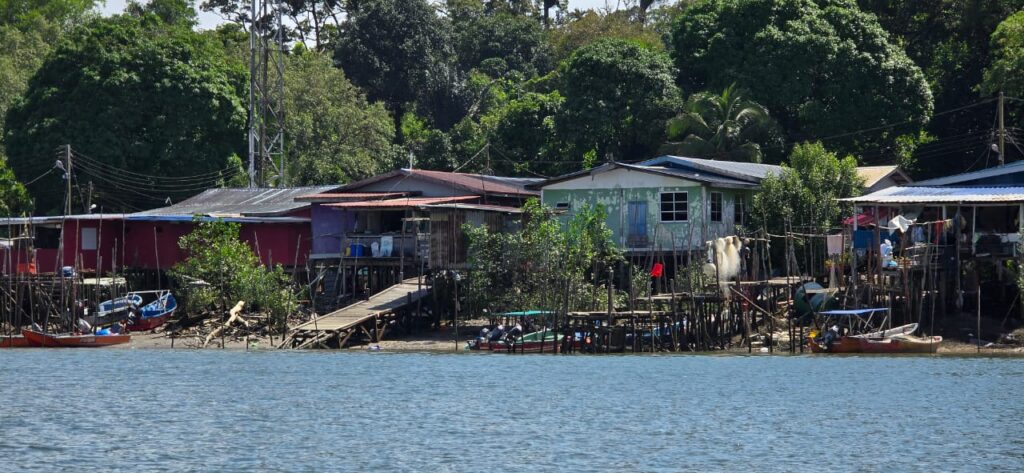
“Our view is that development is okay, as long as the spirit of the place is maintained,” he said. “A kampung (village) does not have to stay a kampung forever. Every generation can recreate it, but it must carry forward its significance and identity.”
A lasting legacy for global conservation
More than 1,500 heritage experts from over 130 countries are expected to attend the assembly at the Borneo Convention Centre Kuching.
Beyond the discussions, the eight-day programme will feature a heritage exposition, UNESCO’s 80th anniversary celebrations, youth initiatives, heritage trails, and public dialogues, with an estimated 10,000 visitors expected to attend.
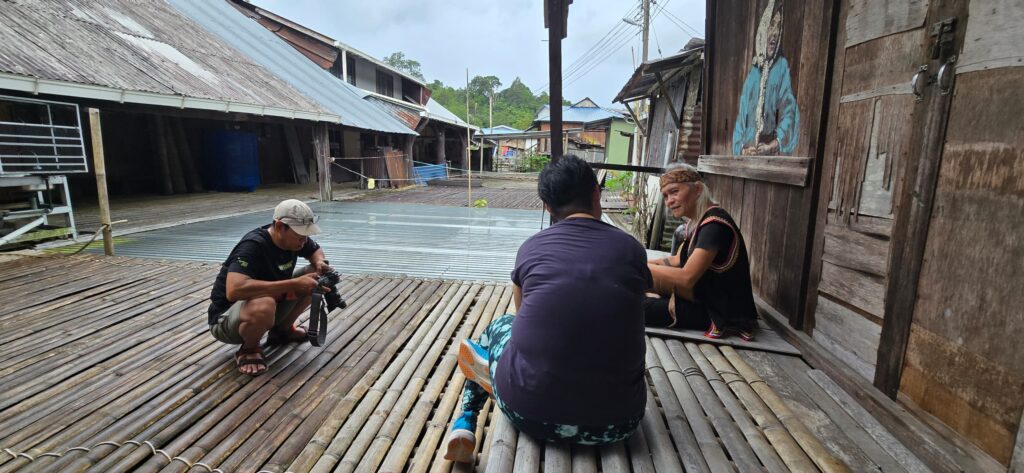
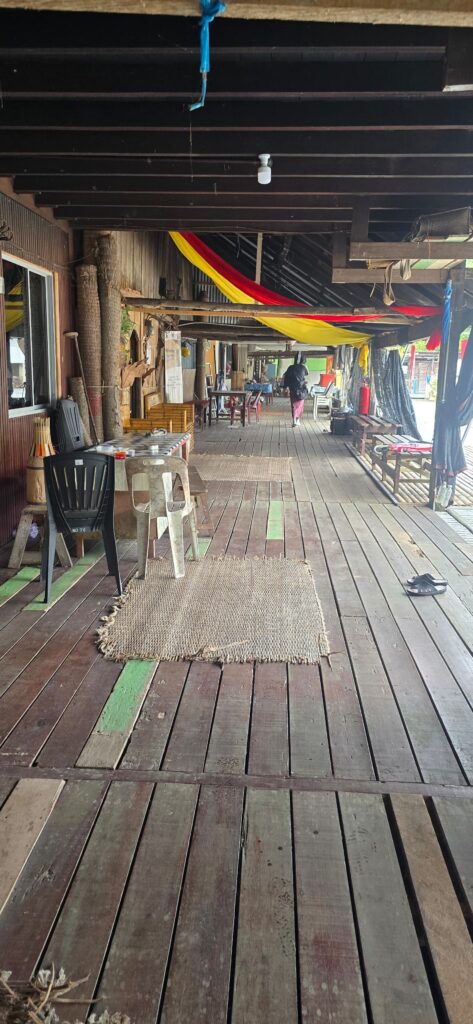
Outside the conference halls, delegates will experience Sarawak’s living heritage firsthand through its longhouses, traditional Malay villages, Indigenous communities, historic wooden forts, and archaeological sites.
If successful, GA2026 could culminate in a Kuching Declaration that reshapes how the world defines heritage, expanding its global focus from monuments and historic buildings to living heritage. For Sarawak, it is an opportunity to showcase a heritage that is still very much alive.
For Malaysia, it is a chance to help shape international thinking. For the rest of the world, GA2026 could mark the moment heritage stopped being defined solely by what survives and began to be valued for what continues to live. – August 8, 2026