

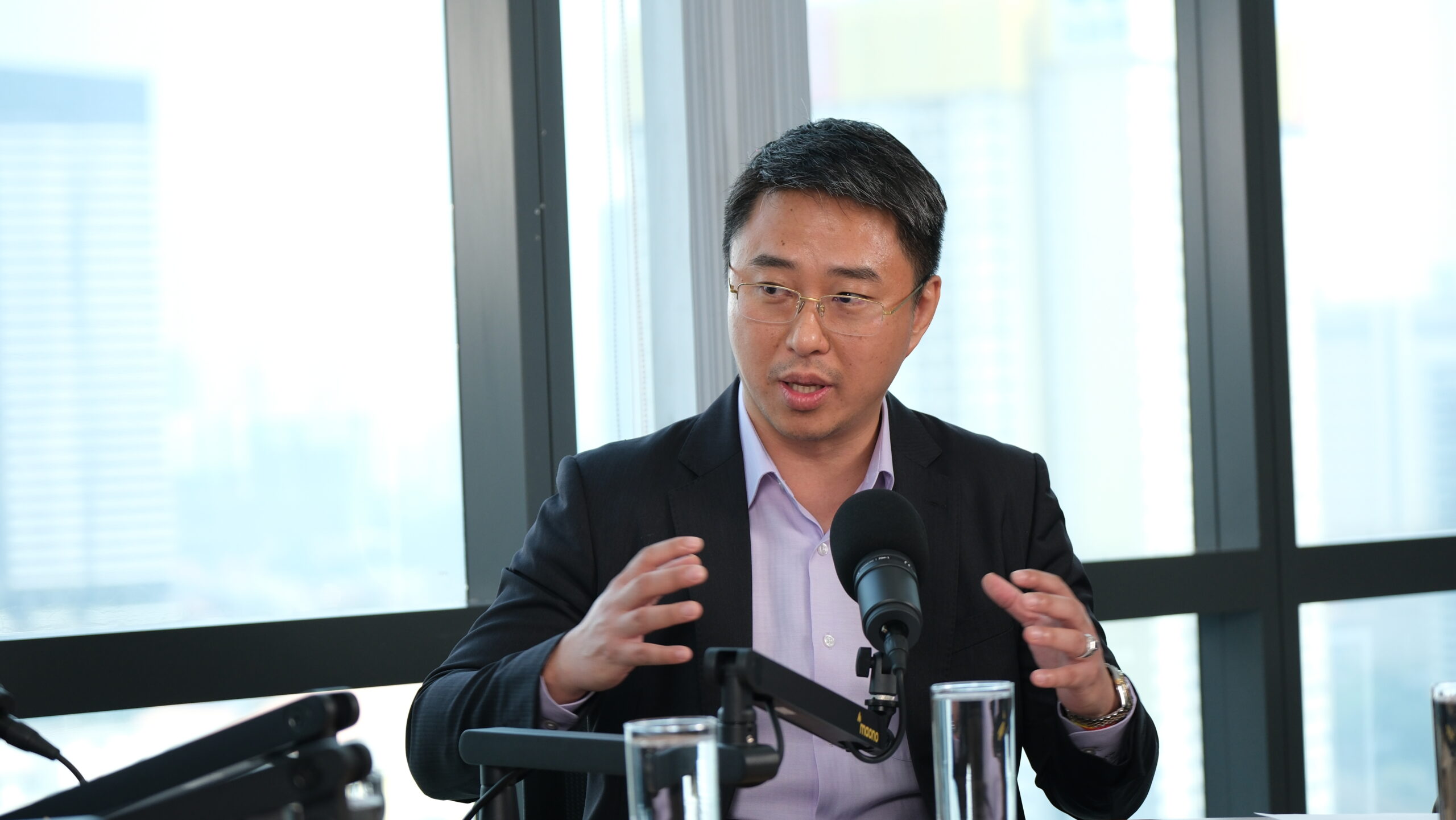
KUALA LUMPUR — Sarawak’s transformation from one of Malaysia’s poorest states into a high-income state shows what can be achieved through effective resource management, long-term planning and greater autonomy, said Parti Bangsa Malaysia (PBM) president Datuk Larry Sng Wei Shien.
The Julau MP said Sarawak’s experience could offer lessons for Sabah and other parts of Malaysia, particularly in developing rural areas and ensuring the state’s growing wealth translates into better infrastructure and opportunities for its people.
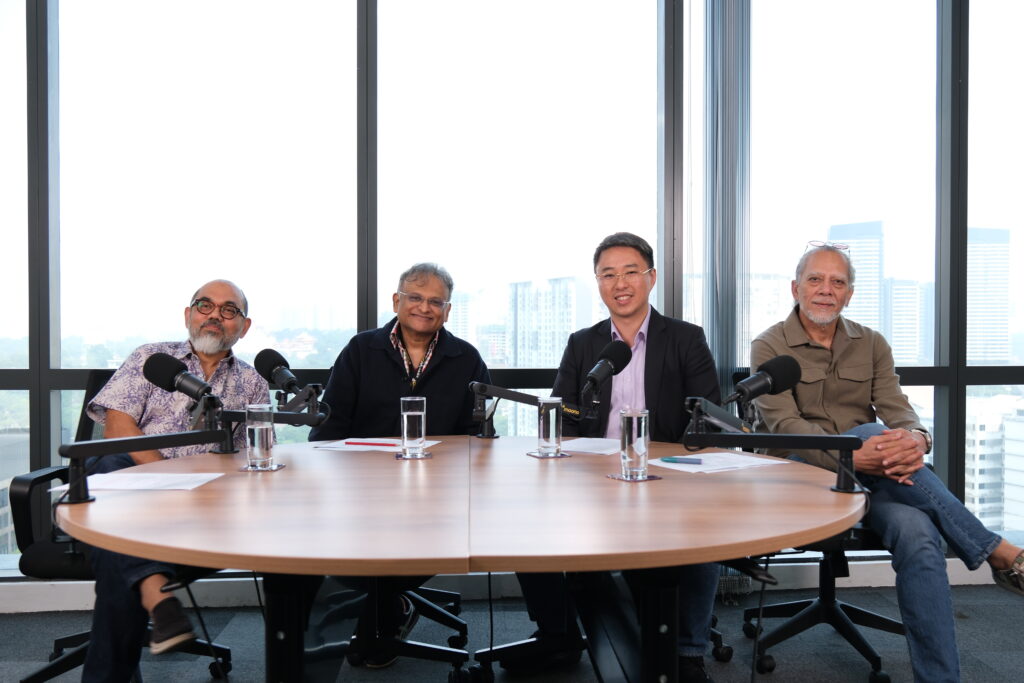
Speaking on the latest episode of Trick Lama, a podcast co-hosted by Big Boom Media Group chief executive officer Datuk Zainul Arifin, Group Editor-in-Chief Terence Fernandez and Group Executive Director Datuk “Rocky” Ahiruddin Attan, Sng said Sarawak had made significant progress in a relatively short period.
“I believe the disparity is slowly being bridged. I believe that now, under Abang Jo, there’s a lot being done for rural areas,” he said, referring to Sarawak Premier Tan Sri Abang Johari Openg.
“They have actually got regional development corridors throughout the state, whereby they have a RM1 billion revolving fund, which basically tops up to improve infrastructure.
“And this has actually been instrumental in speeding up the process of getting everywhere connected, and also roads connected, Wi-Fi, water, all the utilities going for rural areas. So I think the state government is making a good effort.”
Sng said Sarawak’s progress was also linked to its ability to manage its resources and build up its financial reserves over the years.
“When former Sarawak chief minister Tun Abdul Taib Mahmud retired in 2024, if I’m not mistaken, Sarawak had about RM30 billion in its coffers, its state coffers. A lot of people don’t really know that,” he said.
“Mind you, when we started Malaysia together with the other regions in Malaysia in 1963, we had a small population, and we had a lot of land, but it was not very much developed.
“Of course, in terms of the support from the federal government, it was also relatively limited, originally being a region and then reduced to a state. Of course, in terms of getting our funding, we also had to bargain with the federal government and negotiate our fair share, which I think for the longest time we didn’t.
“We didn’t get any fair share, just like Sabah.”
He said Sarawak’s current economic position was the result of efforts by successive state administrations to manage its resources and plan for the future.
“Having said that, we do manage our resources well. We do build up our coffers, and now we’re actually seeing the fruits of our labour,” he said.
“I think we have to build on that success. We have to give credit to all our leaders who have served the country.”
Sng, who previously served as Sarawak’s deputy minister for economic planning, said the state had also adopted a longer-term approach to development.
“In terms of Sarawak, in terms of our leadership particularly, compared to the leadership here, in West Malaysia, we actually do plan way ahead. I think there should be some credit given to us,” he said.
However, he acknowledged that Sarawak still faced a significant urban-rural development gap despite its growing wealth.
“From a political point of view as well, Sarawak in terms of development, in terms of infrastructure, we’re still relatively far behind West Malaysia,” he said.
“By the sheer size of the state, which is basically West Malaysia minus Selangor, there’s still much to do, much road to be built, much water to be installed, to be connected, telecommunication towers, whatnot. So basically, utilities.”
He said greater access to revenue and resources would enable Sarawak to accelerate development, particularly in remote communities.
“If we were to gain an upper hand and get more resources from the federal government, whether through being a gas aggregator or other revenue sources, I believe that it will go into the development of the state,” he said.
“It will be good for the state. Why should the people living in the longhouse continue to live in wooden structures, no communication, no water, drinking from the rainwater, when they are equal citizens as anyone else? I think that’s justified.”
Sng also stressed that Sarawak’s development should not be attributed solely to Putrajaya, saying the state government had to take ownership of both its achievements and shortcomings.
“I think Sarawakians need to take ownership of your shortcomings,” he said.
“In terms of developing the country and developing the state, it’s the responsibility of both governments, the state government and also the federal government.”
He said Sarawak’s political autonomy had also allowed it to address its own issues while protecting its cultural identity.
“We have a system that actually works out, let’s put it that way,” he said.
“We are able to address our issues in the best way possible that will not compromise our cultural identity and also our political leaning. So I think that’s important.”
Sng said Sarawak’s experience could potentially provide an alternative model for Sabah and West Malaysia, particularly in terms of race relations and political governance.
“If you look at Sarawak, Sarawak’s race relations are perhaps the best in the country, and our party is rooted in Sarawak. Maybe we can offer an option that’s better for West Malaysians or Sabahans moving forward,” he said.
“It’s just an option.”
He also did not rule out the possibility of a future prime minister coming from Sarawak, saying Malaysia’s political landscape could eventually evolve beyond traditional assumptions.
“I do believe that as Malaysia evolves, the possibility of what was not considered previously can be realised in the future,” he said. — August 28, 2026