

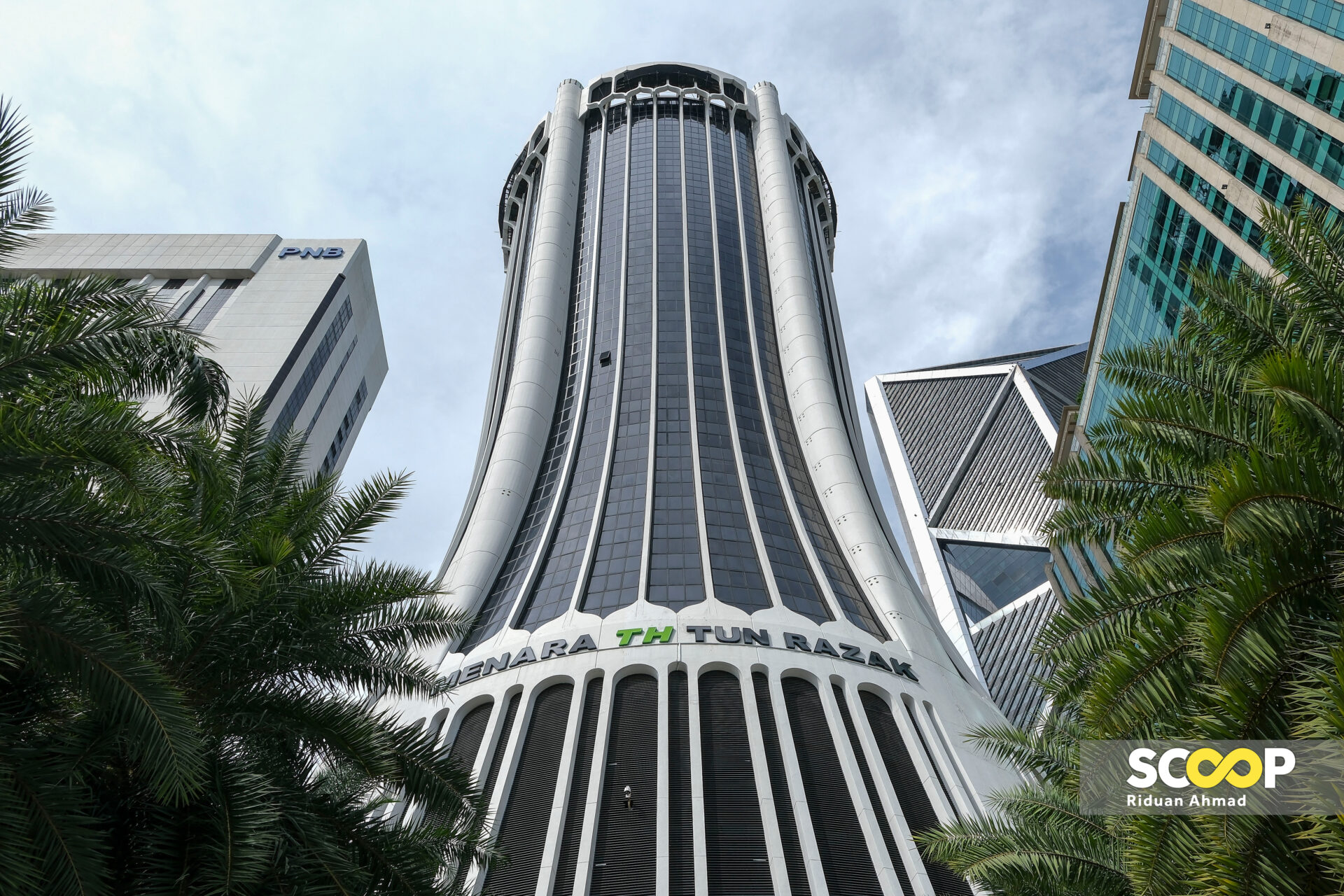
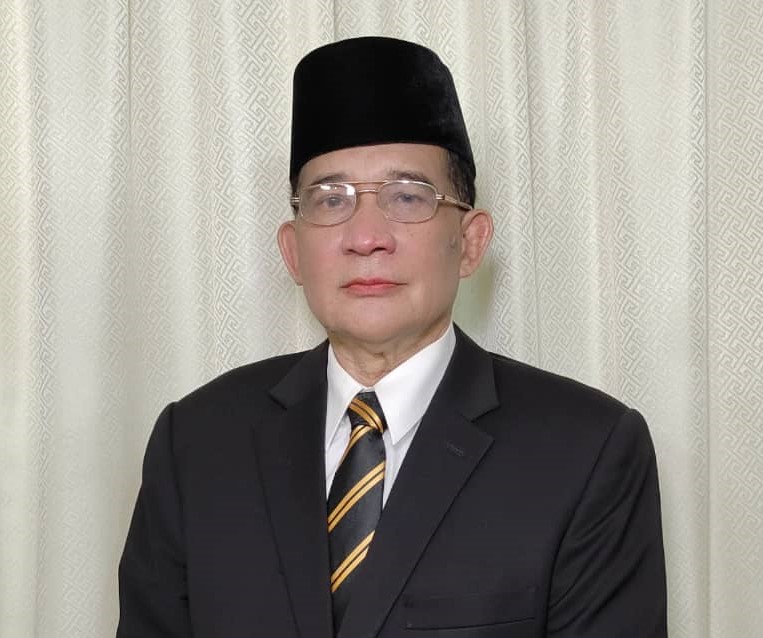
KUALA LUMPUR – The controversy surrounding the presentation of audit matters involving Lembaga Tabung Haji (Tabung Haji) should not be viewed merely as a political issue, but also through the lens of professional ethics, audit independence and accounting standards, said the chairman of the Board of Directors of USAS Berhad (Universiti Sultan Azlan Shah), Datuk Khalid Ahmad.
He said auditors should not discuss matters involving their clients with outside parties without the necessary approval, stressing that proper procedures must be followed to protect the integrity of the auditing profession.
“Because the ethics of auditing is that you cannot go and talk about your client to anybody outside without your client’s request, without a client’s approval,” he told Scoop.
Khalid said the same principle should apply when auditors of major organisations are invited to publicly explain matters concerning their clients.
He warned that allowing such practices could open the “floodgates”, with auditors of other organisations potentially being approached by outside groups without the appropriate channels being followed.
“If any auditor of any organisation can be called, especially government departments, Treasury or whatever, by any member of the public… the floodgates will be open,” he said.
The veteran accountant added that even if permission had been granted for an auditor to attend such an event, Tabung Haji’s management or board should also have been present to provide context and ensure the issues were addressed comprehensively.
His remarks followed comments by former Auditor-General of Malaysia Tan Sri Dr Madinah Mohamad, who spoke at the Musyawarah Nasional forum titled “Realiti dan Persepsi: Jangan Mempolitikkan Tabung Haji” on Aug 25.
She claimed that she would have explained and changed the opinion of the RCI report if she was called in for the RCI inquiry

Beyond the issue of the auditor’s appearance, Khalid also raised concerns over how Tabung Haji’s assets and financial position should be assessed, stressing that accounting standards must be followed rather than relying on future projections.
He said an expected increase in the value of an investment in the future could not simply be treated as its present value.
“You cannot say, ‘Oh, one year from now, the market will go up, that will be the value’,” he said.
Forecasts, he added, could be useful for planning purposes, but the projected value of an asset several years into the future should not be brought forward and treated as its current value.
“The value five years down the road cannot be pulled into the present and say this is going to be the value,” he said.
Khalid also stressed the importance of the accounting principle of prudence, saying financial reporting should avoid overstating assets or profits while ensuring an organisation’s solvency and liquidity were properly considered.
“Cash is more important than profit. Survivability,” he said, explaining that an organisation could record a profit on paper but still face difficulties if it did not have sufficient cash.
He said the issue was particularly important because Tabung Haji manages funds belonging to millions of Malaysians.
“It involves public money, 9.7 million Malaysians. Two, it involves the profession itself.”
Khalid warned that failure to uphold professional standards could have implications beyond Tabung Haji by undermining public confidence in Malaysia’s accounting and auditing systems.
“If this country doesn’t respect that rule, we are gone,” he said.
Drawing a comparison with the Enron scandal in the United States, Khalid acknowledged that the two cases were not identical but said the corporate collapse illustrated the consequences that can arise when accounting practices, disclosure and audit oversight fail.
“What Enron did was… they bore some of the expenses into a company that’s not in the group,” he said, referring to the concealment and misrepresentation of financial problems that formed part of the scandal.
The Enron scandal became one of the most significant corporate governance and auditing failures in the United States, with its auditor Arthur Andersen facing severe repercussions over its role in the company’s financial reporting.
Khalid said the lesson from such cases was the importance of ensuring auditors remained independent and that financial information was properly disclosed.
He said accountants must be prepared to raise concerns regardless of who was involved, including senior executives or political leaders.
“Nobody can instruct you when it comes to the validity of the report. Nobody can instruct the auditor to change,” he said.
An auditor’s responsibility, he added, ultimately extended to protecting the integrity of financial reporting and ensuring that concerns were properly recorded.
“All concerns must be expressed,” he stressed.
Khalid said the Tabung Haji issue should therefore be viewed primarily as one concerning professional standards and governance, rather than partisan politics.
He said maintaining confidence in Malaysia’s accounting profession was particularly important given the country’s international standing and the large number of Malaysians whose funds are managed by institutions such as Tabung Haji.
“The importance is huge,” he said. – September 16, 2026