

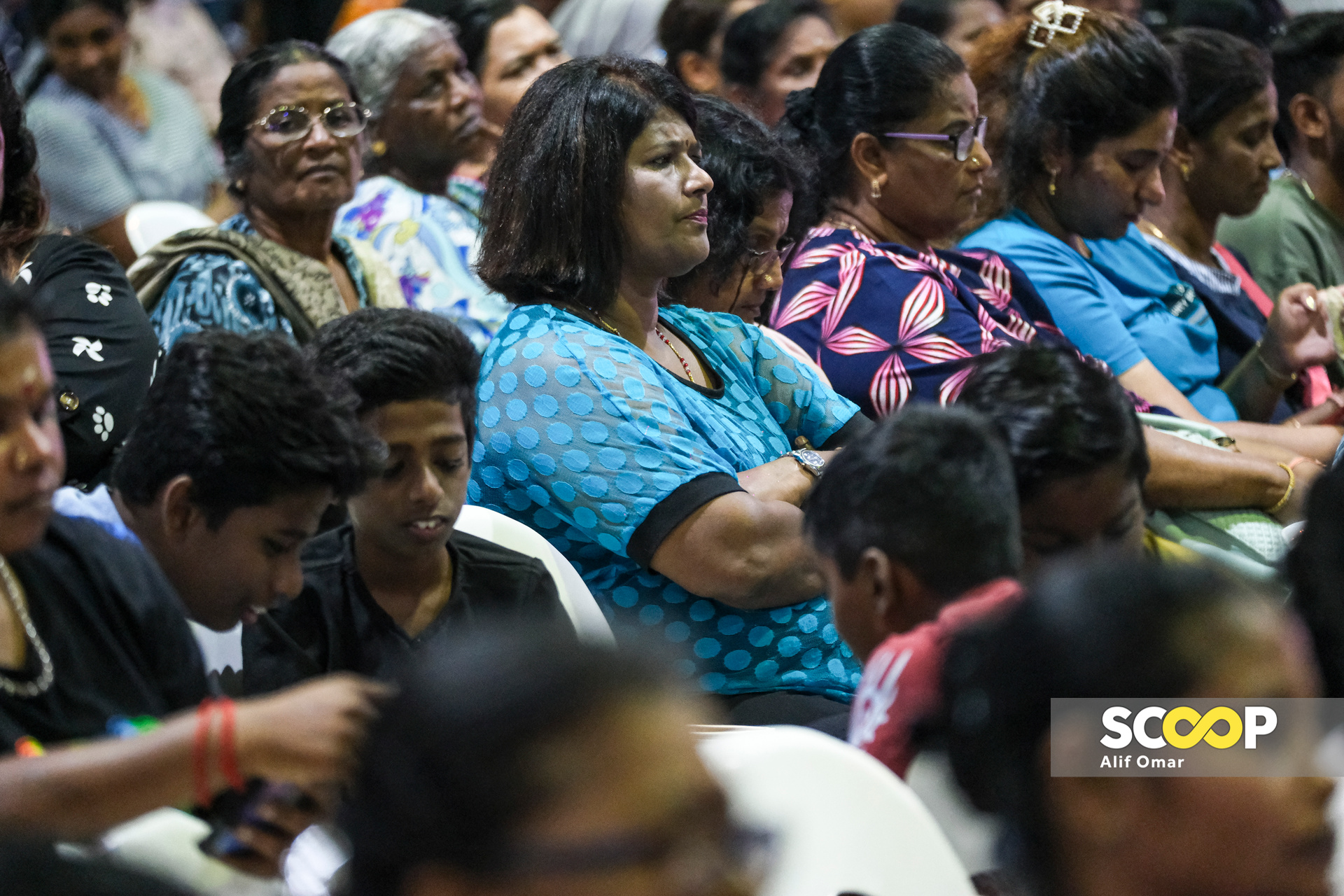
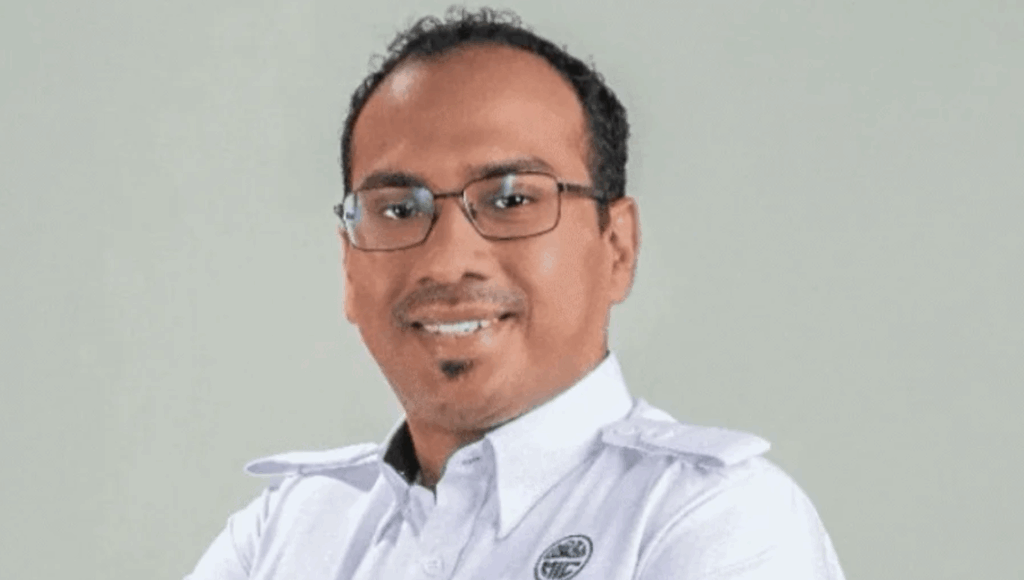
KUALA LUMPUR — Budget 2027 should provide more targeted assistance to Indian youths from B40 families, particularly those at risk of being excluded from education, skills training and employment opportunities, says MIC Youth chief Arvind Krishnan.
He said although the Government already offered various programmes covering education, skills development, employment and entrepreneurship, gaps in accessibility and implementation meant some youths were still being left behind.
“The main issue is not that there are no programmes. There are programmes across education, skills training, employment and entrepreneurship, but there remains a significant gap between allocation, accessibility and actual outcomes,” he told Scoop.
According to Arvind, some Indian youths were unaware of available opportunities, while others struggled to navigate application procedures or did not meet specific eligibility criteria despite having genuine financial needs.
“Others may not meet certain eligibility requirements despite genuinely needing assistance. This means that some of the youths who require government intervention the most can still fall through the cracks,” he added.
He said the Government should also take into account the different socio-economic circumstances faced by Indian youths rather than treating them as a homogenous group.
For instance, youths from urban professional households could face vastly different challenges from those growing up in plantation communities, low-income urban areas or families affected by intergenerational poverty, he said.
Arvind said Budget 2027 should therefore place greater emphasis on measurable outcomes rather than simply expanding the number of programmes available.
“For Indian youths from vulnerable families, Budget 2027 should ultimately have one objective: creating a genuine pathway out of intergenerational poverty rather than providing temporary assistance,” he said.
He proposed stronger support for tertiary education, technical and vocational education and training (TVET), professional and industry certifications, apprenticeships and reskilling, particularly for youths from low-income households.
However, he said support should continue beyond the completion of training, with a clearer link between education, employment and income growth.
“There should be a clear pathway from training to certification, certification to employment and employment to higher income,” he explained further.
Government-funded training should also be aligned with sectors expected to generate higher-value jobs, including artificial intelligence, cybersecurity, cloud computing, data analytics, semiconductor technology and advanced manufacturing, he said.
Arvind also proposed strengthening the train-and-place model by tying public funding to employment outcomes rather than simply the number of participants who complete a course.
“Training providers should not be measured simply by the number of participants completing a programme, but by how many participants secure relevant employment and experience meaningful salary progression,” he said.
He called for greater support for apprenticeships, including incentives for companies to recruit and train young Malaysians from lower-income backgrounds and provide them with pathways to permanent employment.
On entrepreneurship, Arvind said financial grants alone could not guarantee the long-term viability of youth-owned businesses.
“Giving someone RM20,000 or RM50,000 does not automatically create a sustainable entrepreneur,” he said.
He said young entrepreneurs also needed business knowledge, mentorship, technology and access to markets.
Qualified Indian youth-owned small and medium enterprises should also be given opportunities to participate in government and GLC supply chains based on their capability and performance, he added.
Arvind said the broader objective of Budget 2027 should be to break the cycle of poverty by giving young Malaysians the means to acquire valuable skills, secure better-paying jobs or build sustainable businesses.
“A large allocation means very little if the intended beneficiary never receives the opportunity,” he added.
He also called for major youth programmes to have clear key performance indicators, including employment rates, salary levels, business survival rates and changes in beneficiaries’ incomes.
Where possible, he said outcomes should be tracked for between 12 and 24 months after programmes end to determine whether government intervention was producing lasting benefits.
“Ultimately, Budget 2027 should not be judged only by how much we spend, but by how many lives we change,” he said. – October 9, 2026