

KUALA LUMPUR – Datuk Seri Najib Razak is barred from using Facebook, hosting podcasts and giving interviews without permission while serving his sentence under house arrest, although his wife, Datin Seri Rosmah Mansor, and other immediate family members are allowed to stay with him at his Langgak Duta residence, his lawyer Tan Sri Muhammad Shafee Abdullah has revealed.
Shafee said the procedures, known as the ‘tatacara’, also outline the conditions of Najib’s confinement, including who may live with him, restrictions on visitors and the circumstances under which he can leave his residence.
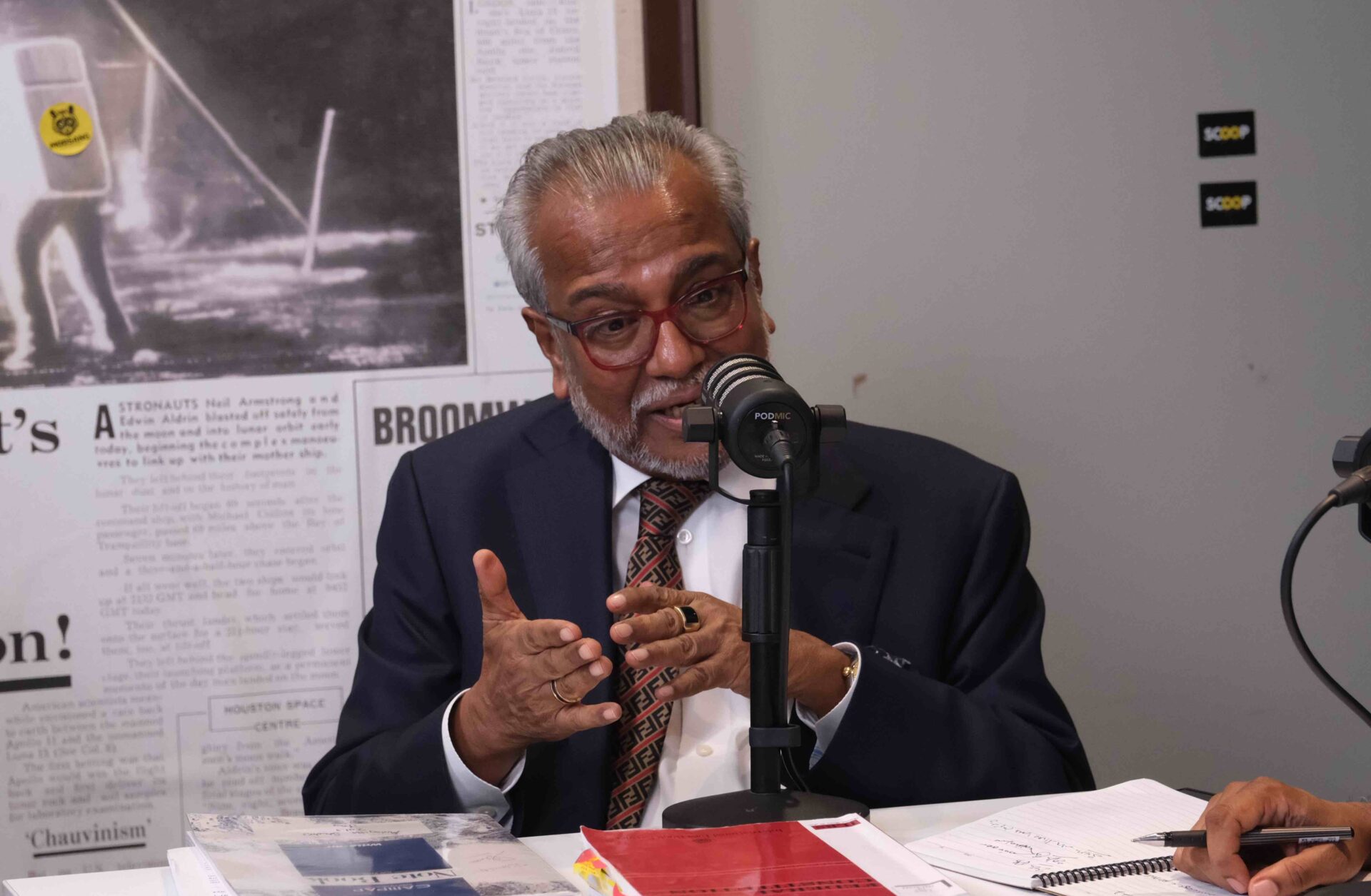
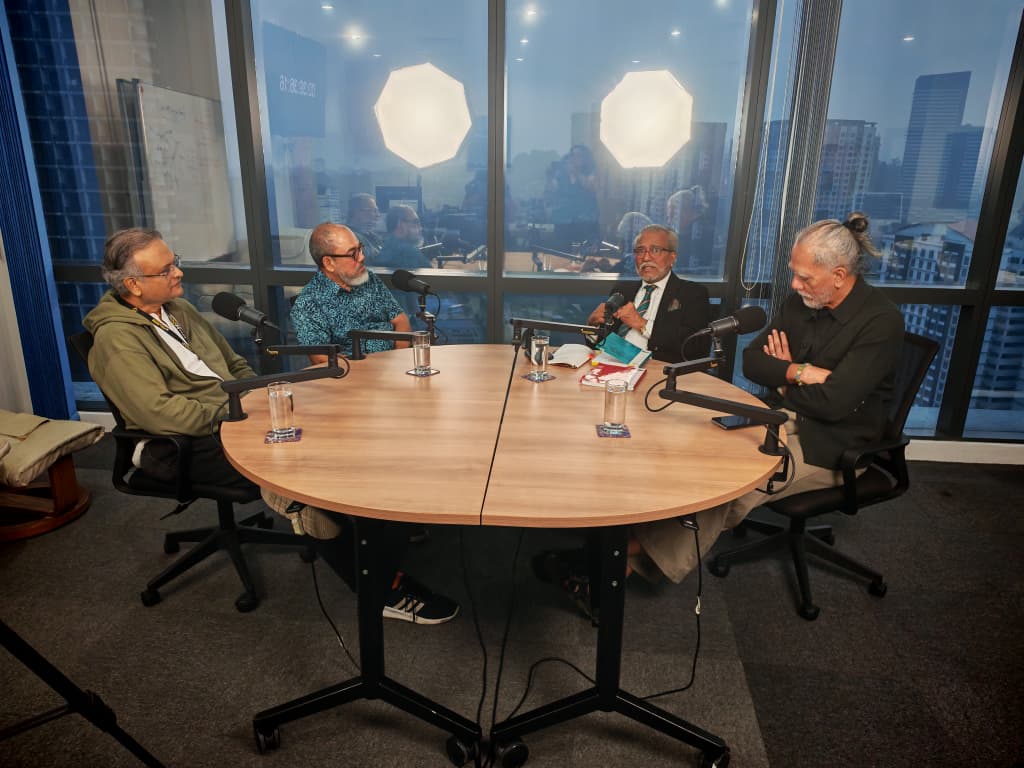
Speaking on a recent episode of Trick Lama, hosted by Big Boom Media group executive director Datuk Ahirudin Attan, better known as Rocky Bru, and chief executive officer Datuk Zainul Arifin Mohammed Isa, and editor-in-chief Terence Fernandez, Shafee said Najib would serve the remainder of his six-year sentence at his Langgak Duta residence in Kuala Lumpur under an addendum issued by the previous Yang di-Pertuan Agong.
The arrangement is expected to remain in effect until August 2028, although a further year would be added if Najib fails to pay the RM50 million fine, Shafee said.
“If he doesn’t pay the RM50 million, then there is one more year. It will be until the same date. But 2029,” he added.
Shafee said Najib’s wife, children, grandchildren and son-in-law would be allowed to stay with him at the residence.
However, visitors must obtain written permission in advance. Najib must also seek approval to leave the premises for purposes such as medical appointments.
“If it is an emergency, there are numbers that you can call. And then, they have to give him permission,” he explained.
The restrictions also cover Najib’s access to online platforms and participation in public activities, although Shafee said certain decisions remain at the discretion of the Prisons Department’s director-general.
“But there are specific areas, like he’s not supposed to have Facebook, not supposed to have a podcast.”
“He can’t be interviewed. But if he wants, he must get permission,” he said.
Shafee said he had previously maintained that house imprisonment could be implemented under existing legislation without amendments to the Prisons Act.
He added that Najib received a copy of the house arrest order only four days before the podcast recording, despite the order having been issued about three weeks earlier.
According to Shafee, the prison authorities eventually provided the document to Najib after he sent repeated letters to the authorities and the legal division.
However, Shafee said he had not received his own copy as Najib’s counsel and solicitor, although he had been permitted to inspect the order.
“I have seen it, but I cannot copy it. I cannot make a photostat. Nothing. I have seen it,” he said.
House arrest governed by specific procedures
Shafee said the house arrest order came with a set of procedures, known as the tatacara, setting out the rules and conditions governing Najib’s confinement.
Contrary to the perception that house arrest lacked standardised procedures, he said the arrangement specified where Najib would be confined, who could stay with him and the circumstances under which he could leave the residence.
“Attached to that order is what they would describe as the tatacara. Like, where is he going to be confined? From what I saw, it is quite obvious,” he said.
The procedures also cover restrictions on visitors, medical trips and Najib’s use of social media and participation in public activities, with certain matters requiring approval from the relevant authorities
Shafee also defended the rationale behind house arrest, rejecting suggestions that Najib’s residence should be surrounded by barbed wire, security fencing and watchtowers to replicate prison conditions.
He said the arrangement was intended to ease prisoners’ transition back into civilian life rather than recreate a conventional prison environment at their homes.
“House imprisonment is meant to acclimatise the prisoner from a full prison condition towards a normal civilian life,” he added.
“So that when he’s finally released, he doesn’t receive the social shock. And he is able to live in the normal society very well.”
Shafee argued that imposing prison-like security measures on the residence would undermine the purpose of house arrest.
The addendum issued by the previous Yang di-Pertuan Agong provides for Najib to serve the remainder of his sentence under house arrest rather than in prison.
Shafee has maintained that the addendum was a valid exercise of royal prerogative, despite a High Court ruling that it was invalid because the matter had not been discussed with the Pardons Board.
He argued that the former King intended for Najib to complete the remainder of his sentence under house arrest, describing the arrangement as a reprieve rather than a pardon.
The house arrest arrangement concerns only Najib’s six-year prison sentence in the SRC International case involving RM42 million, which is due to end in August 2028.
Najib continues to face other legal proceedings, including an appeal against his conviction and 15-year prison sentence in the RM2.3 billion 1Malaysia Development Bhd (1MDB) case.
He is also facing civil suits involving SRC International and 1MDB, while the Inland Revenue Board is seeking RM1.69 billion in unpaid taxes from him.
However, he has been discharged and acquitted in several other cases, including the 1MDB audit-tampering case and charges involving RM27 million linked to SRC International. – October 15, 2026