

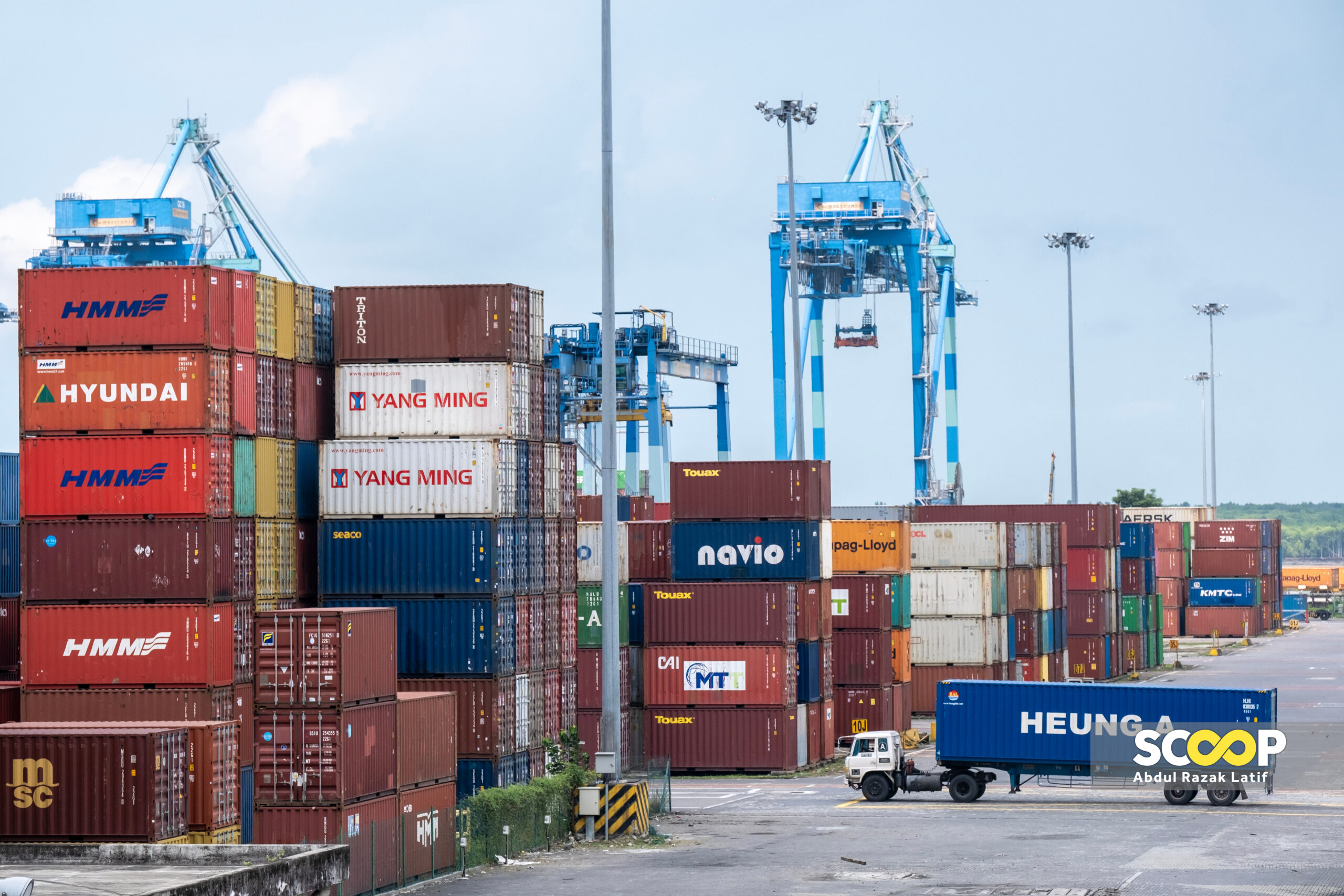
KUALA LUMPUR – Asean risks weakening its collective bargaining power as member states pursue separate trade deals with major economies such as the United States, a forum heard today.
During the first episode of the newly launched AseanX platform, panellists discussing the future of regional integration said countries negotiating individually could be placed at a disadvantage, particularly amid growing geopolitical tensions and uncertainty over global trade.
Philippine Chamber of Commerce and Industry chairman emeritus George Barcelon said Asean countries should coordinate their strategies before entering separate negotiations with major trading partners.
He said individual negotiations could allow external powers to use differences between member states to their advantage.
“If they individually can talk to us individually, they can play us also to our disadvantage, to the disadvantage of each state,” he said.
George said the region needed a joint approach to address trade challenges, particularly as countries faced rising fuel and food costs, currency pressures and uncertainty over tariffs imposed by the US.
He added that Asean countries should explore ways to work together to strengthen their economic resilience and reduce their vulnerability to external shocks.
However, former Malaysian trade and investment minister Datuk Seri Tengku Zafrul Abdul Aziz said bilateral agreements could offer more meaningful benefits to individual economies, given the different economic structures and national interests of Asean member states.
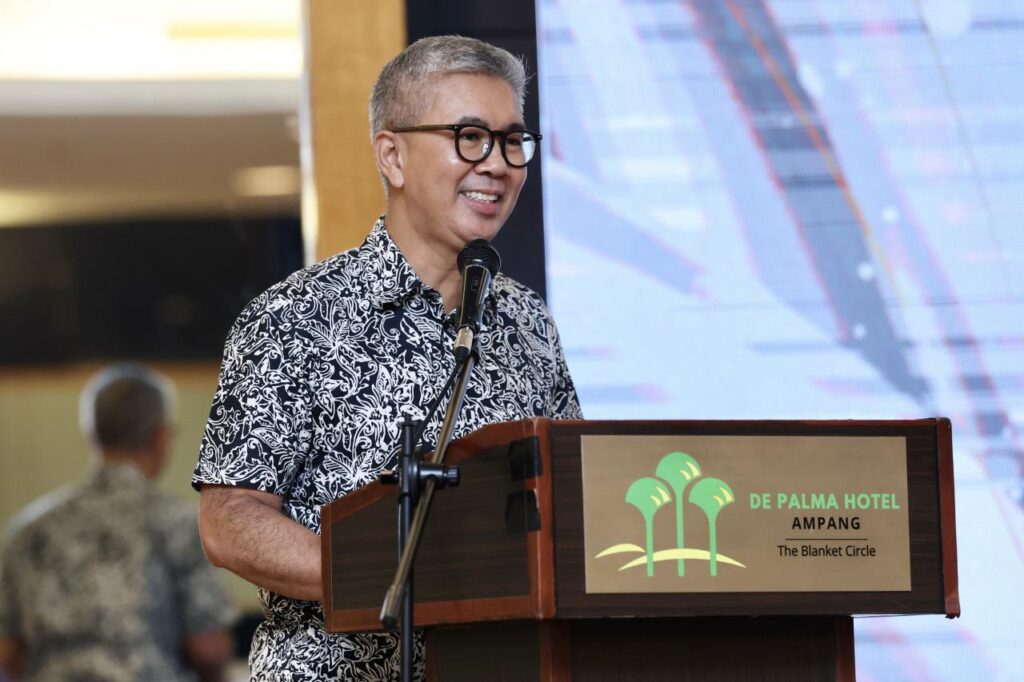
He said reaching consensus on multilateral agreements was difficult because countries differed in their levels of economic development and willingness to open their markets.
“There is a trade-off. I don’t think there’s a right or wrong,” he said, adding that some bilateral agreements could provide deeper benefits for domestic industries than broader regional arrangements.
Zafrul cited the Regional Comprehensive Economic Partnership (RCEP), which includes Asean member states, China, Japan, South Korea, Australia and New Zealand, as an example of successful multilateral cooperation.
However, he said Asean countries had different priorities when negotiating with external partners, making it difficult to secure agreements with the same depth as bilateral deals.
The discussion also highlighted the challenge of balancing national sovereignty with the need for a more coordinated regional trade strategy.
Former Asean secretary-general Ong Keng Yong said member states should focus on implementing existing agreements and exploring opportunities to increase trade among themselves, rather than concentrating solely on external trade disputes.
He said Asean already had areas of consensus on trade and supply chain cooperation, but implementation remained a major challenge.
Singapore Business Federation Asia chief executive Ang Shih-Huei said businesses also needed a stronger voice in regional policymaking to ensure trade agreements translated into practical benefits.
She said differences in taxation, labour regulations and the cost of doing business continued to complicate companies’ expansion across Asean.
The forum’s discussion comes as Asean seeks to strengthen its economic integration and remain relevant amid an increasingly fragmented global trading environment. – October 16, 2026