


FROM history books to Hollywood blockbusters, and from Renaissance paintings to bestselling thrillers, the Catholic Church – particularly the papacy – has long fascinated the world.
Now, following the passing of Pope Francis on April 21, that global spotlight has once again turned to Vatican City – this time to welcome a new leader.
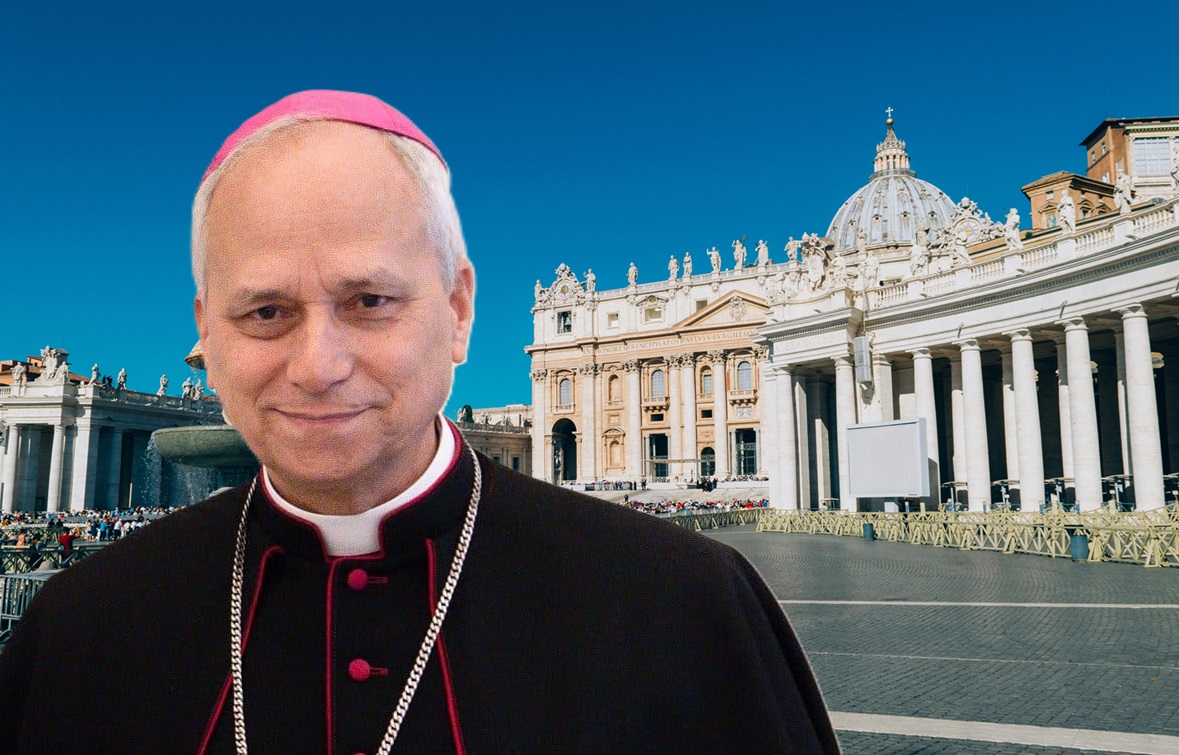
Early this morning, Cardinal Robert Prevost of the United States was elected the 267th successor to Saint Peter, making history as the first American pope. He has taken the name Pope Leo XIV.
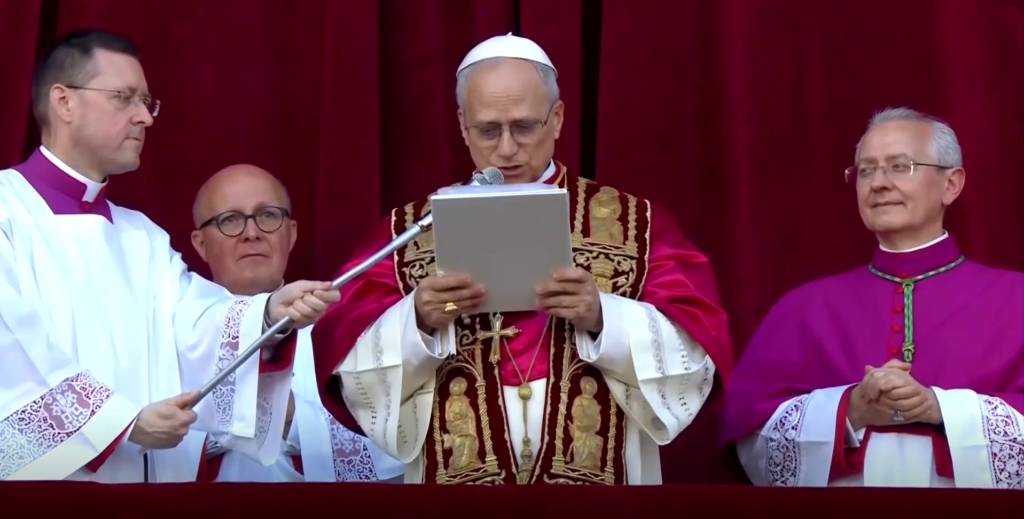
The announcement was made in St Peter’s Square after two days of voting by 133 cardinal-electors inside the Sistine Chapel. Pope Leo XIV now leads 1.4 billion Catholics worldwide, succeeding Pope Francis, whose 12-year long papacy left a profound mark on the Church and beyond.
But what is it about the pope and the Holy See that commands such interest – not just among Catholics, but the world at large?
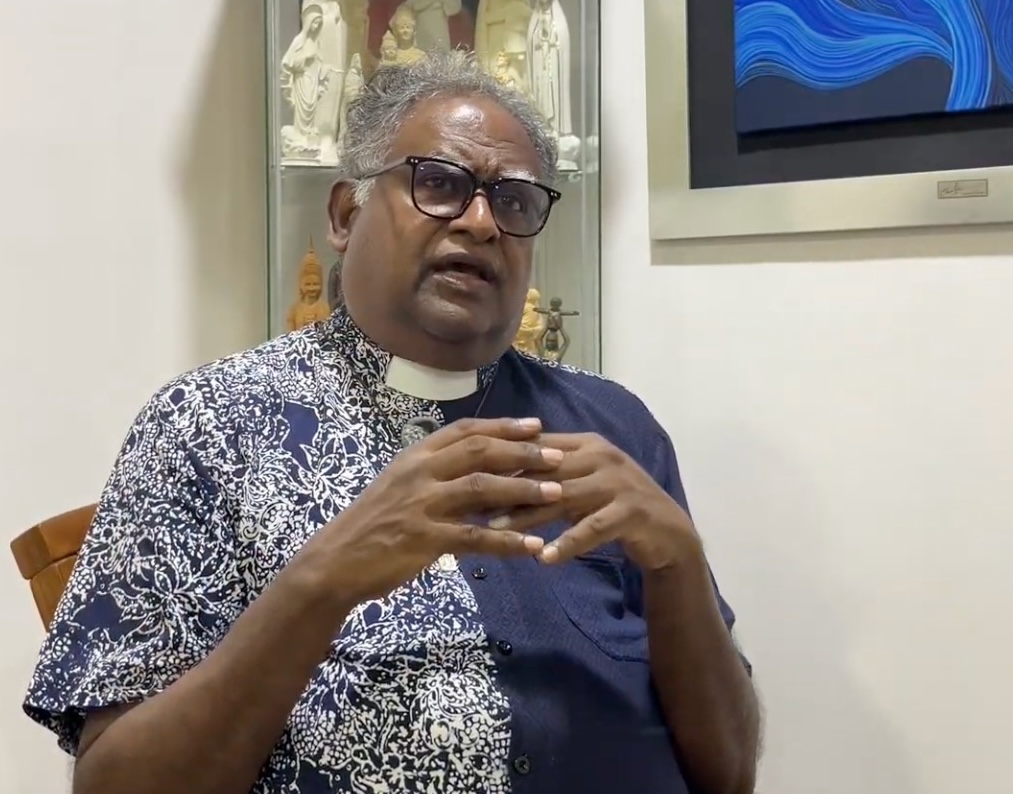
According to Rev Fr Gerard Theraviam, parish priest at St John’s Cathedral in Kuala Lumpur, much of that influence stems from the Church’s global reach and moral voice.
“The Church is in almost every country, offering aid and services. It’s said to be the largest charitable organisation in the world,” he said in a recent interview with Scoop.
And when popes speak, people listen. Fr Gerard pointed to the late Pope John Paul II’s vocal opposition to communism, which many believe contributed to the fall of the Iron Curtain.
“He stood up and spoke with moral authority. That carries weight, especially when backed by consistent action,” he said.
Pope Francis, too, was known for championing the rights of immigrants, the poor, and the marginalised – often stirring debate with political implications.
“When the pope says something, whether positive or negative, it’s heard almost instantly,” said Fr Gerard, noting the power of modern media.
Even on contentious issues like capital punishment, the Church has played a quiet but influential role. Fr Gerard noted that recent changes to the Catechism of the Catholic Church – declaring the death penalty inadmissible – sparked worldwide discussion.
“We haven’t changed the laws completely here in Malaysia, but we haven’t carried out any executions either,” he pointed out.
“I’m not saying it’s the pope alone, but his voice certainly contributed to that movement.”
But the pope isn’t just a religious leader – he’s also a head of state. Vatican City, while just over a square mile in size and home to about 800 residents, is recognised as a sovereign nation.
“So the pope is not just the head of Catholics, but also of a country,” said Fr Gerard.
“That’s why emissaries and heads of state attend papal funerals – not just out of religious respect, but because they recognise the pope as a world leader.”
Fr Gerard added that the Apostolic Nuncio – essentially the pope’s ambassador – serves both the Church and the government in countries like Malaysia, underscoring the Vatican’s unique dual role.
The roots of the papacy stretch back to Saint Peter, one of Jesus’ twelve apostles and considered the first pope.
“Peter was the rock on which the Church was built,” said Fr Gerard.
“From him came a line of successors, though they weren’t called popes then. The institution evolved, but its spiritual foundation has remained.”
And while Pope Benedict XVI’s reign was short, Fr Gerard noted that his scholarly contributions and decision to resign – an act not seen in centuries – left a lasting mark on the modern papacy.
As expected, the first day of voting ended without agreement. Historically, no pope in modern times has been elected on the first day. The early rounds often serve to test the field before serious consensus-building begins.
In this case, it was the second day that proved decisive, echoing recent conclaves – Pope Francis was elected on the second day in 2013, while Benedict XVI emerged after just four rounds of voting.
With the election of Pope Leo XIV, the world welcomes not just a new religious figurehead, but a new global voice whose influence will likely extend far beyond the Church – hopefully into the realms of diplomacy, ethics, and human rights. – May 9, 2025
Fabian Peter is Scoop’s reporter