

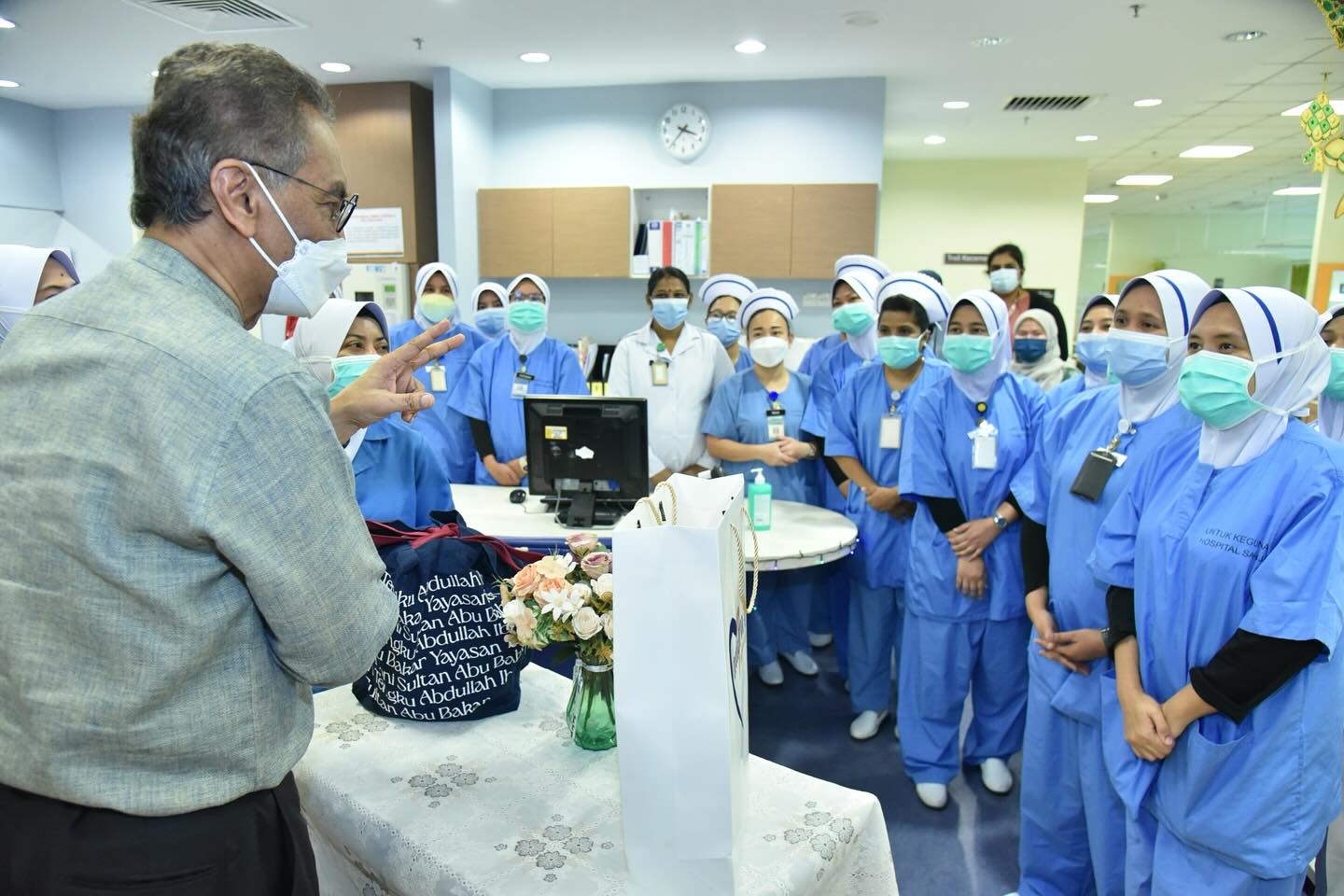
EVERY YEAR, May 12 comes and goes with barely a ripple. No ads flood our screens. No cakes fly off the shelves famous Taka chain of bakeries in Kuching. No grand sale banners hang in malls. Yet, this date marks “International Nurses Day”, honouring a profession that is the heartbeat of every hospital ward, rural clinic, and disaster zone.
While Mother’s Day and Father’s Day are celebrated with fanfare – and rightly so, mums and dads deserve the recognition – Nurses Day passes in near silence. But if we are to be honest, nurses are often the last to sleep and the first to respond.
They are not just caregivers; they are comforters of pain, witnesses to suffering, and midwives to both life and death.
So why is it we do not rise to salute them on their big day? The answer is perhaps as clinical as the sterile swabs they work with; there is little commercial value in glorifying the care that nurses offer humanity. A nurse holding the hand of a dying patient at 3am doesn’t help to sell the bouquets that the florist sells at the corner store. …
A nurse changing bedpans or soothing a frightened child doesn’t market cards nor cause resorts to sell spa packages. There are no grand family feasts or romantically packaged dinners offered by 5-star hotels to celebrate Nurses Day. But make no mistake – nurses save lives, restore dignity, and carry humanity on their often weary shoulders.
Florence Nightingale’s birthday, May 12, was chosen to honour nurses worldwide. But how many of us pause to remember that during the pandemic, when most of the world stayed home, it was the nurses who stayed behind – behind face shields, double masks, and fear?
In Malaysia, we still see them in kampung clinics, in flood-relief centres, in Sabah’s mountain villages, and in the depths of Sarawak’s jungle attending to a late-night delivery. They are the women and men who travel far, sometimes by boat or motorbike, to deliver vaccines or aid. They are not seeking applause; they are simply answering a call.
And now, in 2025, nurses are once again in the headlines – not for awards or accolades, but pleading for a less than “45-hour work week”.
This has stirred concern not just within the healthcare sector but among the public too. Philosophically many ask: since when was caring for the sick is clocked like a commodity?
Adding insult to injury, Malaysian nurses are among the lowest-paid in ASEAN – a startling fact considering the high cost of living, long hours, and critical responsibilities they bear. Some fresh graduates earn just above minimum wage, while others in contract roles face years of uncertainty, burnout, and stagnation.
In a region where healthcare demand is rising and nurses are being poached by overseas hospitals, this is not just unfair – it’s unsustainable.
We speak of patient rights – what about nurse rights? A society that forgets to honour its nurses forgets its soul. Is it too much to ask for local councils to light buildings in white and blue? For a hospital CEO to send more than a mass general email of appreciation? Or for us to say, simply but sincerely, “Thank you, nurse”?
Never should we forget this — long after the doctor walks away, the nurse stays. Long after the machine beeps its last, the nurse holds the hand. Long after the heart monitor ends its “line dance,” it is the nurse who might whisper a silent prayer first. And long after the world forgets May 12, the nurse remembers the patient by name, not by bed number.
They are not angels. They are human. And that is exactly why they deserve more than a whisper on Nurses Day. – May 13, 2025
Joseph Masilamany has seen it all — not from behind a desk or a lens, but from the vulnerable vantage point of a hospital bed. Bypass surgery, cervical disc surgery, deviated nasal septum repair, pleural effusion — each episode a reminder that healing is not just about surgeons and machines, but about the quiet warriors in scrubs – who guard you through the darkest hours. They are always there not just to monitor a chart but also to check your soul.