

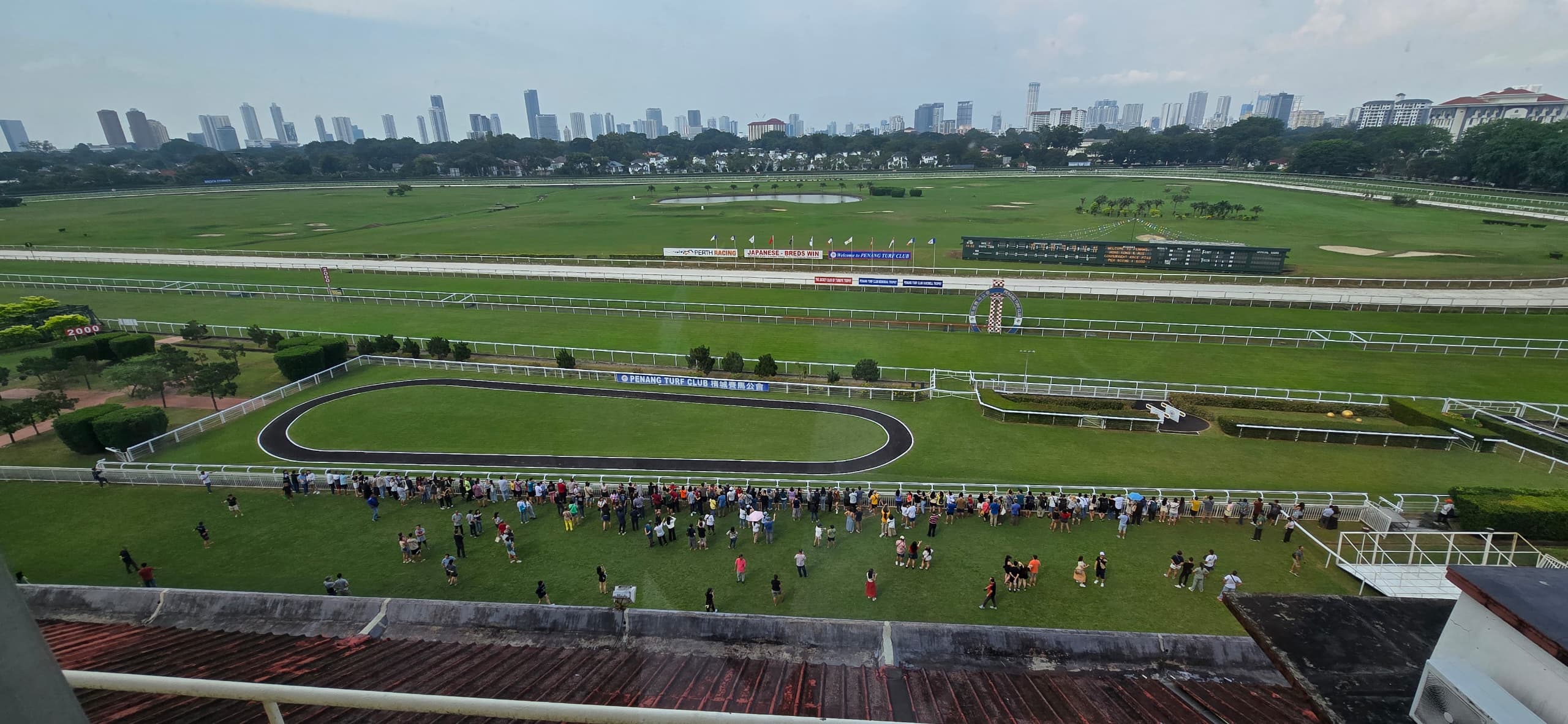

IN early 2007, Penangites were shocked by plans to redevelop the Penang Turf Club (PTC) into a mega city.
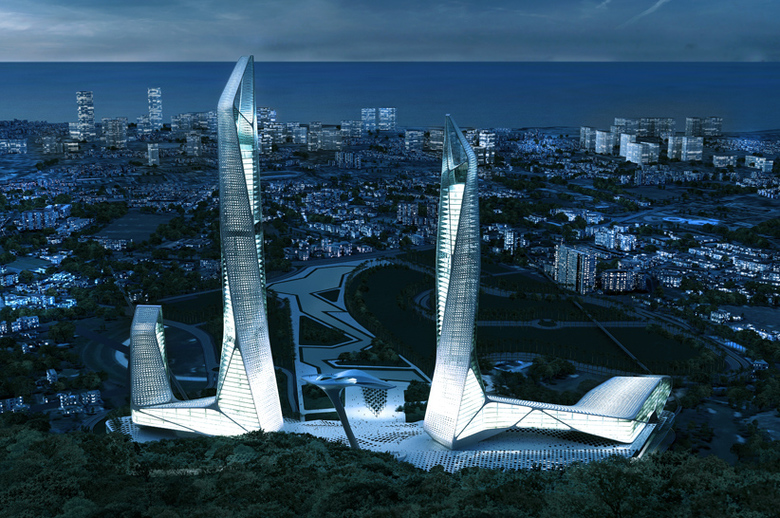
In place of the country’s oldest Turf Club was to be the Penang Global City Centre (PGCC) – a 104ha monolith of a development, two-and-a-half times the size of Kuala Lumpur City Centre (KLCC).
The outrage over the project was to be expected, especially with the way it was shoved down the throats of the people.
No environment impact assessment (EIA), no public engagement, no consultation with stakeholders.
It was a sweet deal for Abad Naluri Sdn Bhd, which was to undertake the development.
Abad Naluri was to acquire PTC for RM488 million, relocate the turf club to Batu Kawan on the mainland, and build the new race course for a sum of RM375 million.
In return, the PGCC boasted a gross development value (GDV) of RM25 billion comprising hotels, high-rise living, retail outlets and a convention centre.
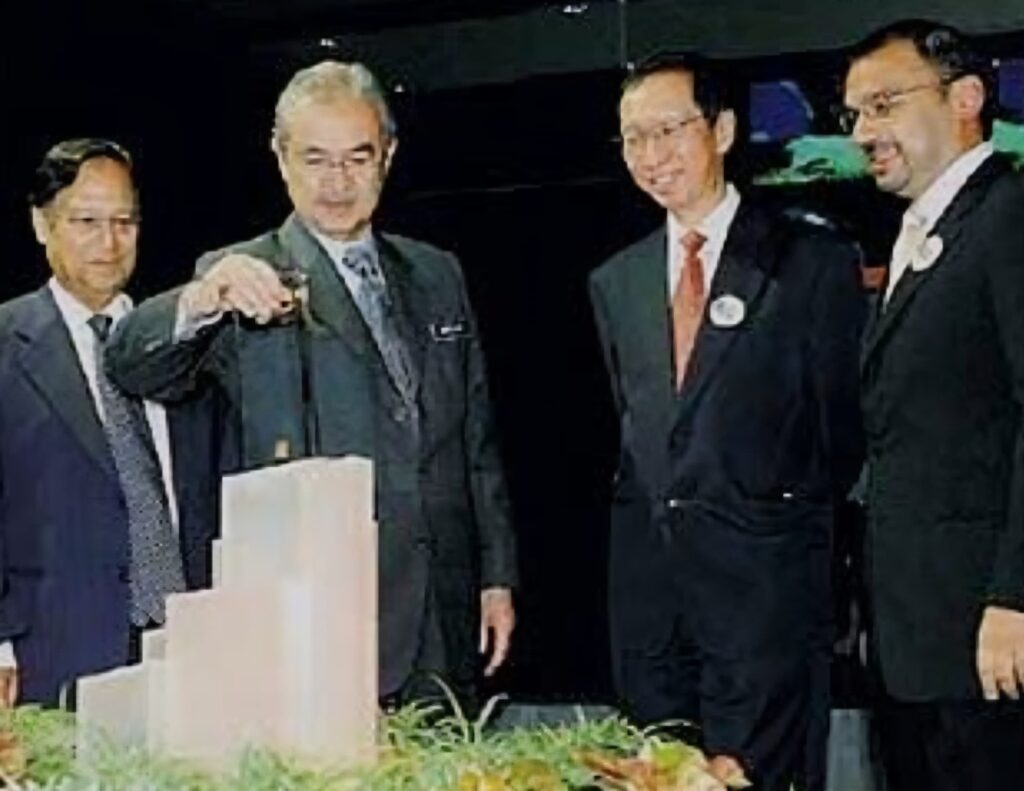
The project was pushed through at the Federal level under the then-Tun Abdullah Ahmad Badawi administration, following a landslide victory in the 2004 general elections that saw BN win 198 seats in Parliament.
The man behind Abad Naluri, Datuk Patrick Lim, was seen to be getting too close to the administration that local activists gave him the moniker “Patrick Badawi”.
One thing one needs to remember about Penangites is that they will fiercely guard their turf (pun unintended).
It is not necessarily a case of Nimby (not in my backyard), as often seen in some communities, but more to preserve the idyllic island lifestyle of Penang’s fragile ecosystem and the heritage value of the historical island once dubbed the Pearl of the Orient.
Which is why PGCC and the scant regard to public opposition were cited as among the reasons for BN to lose the state in the 2008 general elections.
The Pakatan Rakyat onslaught milked the PGCC issue successfully and saw DAP take over the state till today.
Which is why the turf club’s development talks now, after PGCC was buried 17 years ago, have put the current state government on the defence.
Heritage and conservation groups are reminding Chow Kon Yeow’s administration of the promise DAP made in 2008 – which it fulfilled – scrapping PGCC.
The PTC is land given by the state for recreational purposes and as a green lung. So, by right, PTC members voting to dissolve the club should not have a bearing on the status of the land.
But along the way, the property has changed hands from government to private. Chow told the state assembly last month that the land is held in trust for the Penang Turf Club by Tan Sri Goh Eng Toon, Ong Eng Khuan, and Teh Choon Beng.
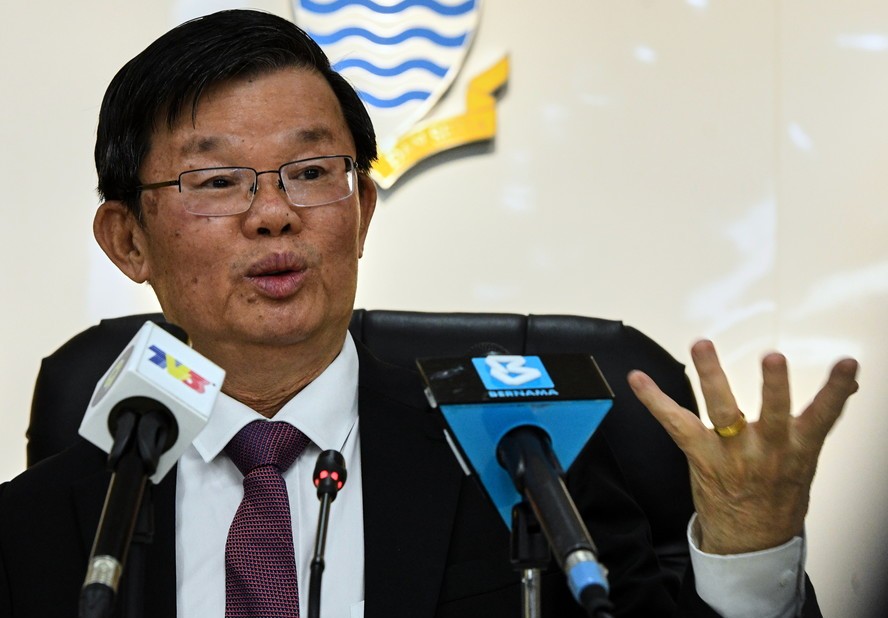
“The land is privately owned and zoned as a development zone 1 for commercial purposes,” he said in a written reply to Machang Bubok state assemblyman Lee Khai Loon.
The mood among members at the last race at the PTC on May 31 was melancholic but upbeat.
One can imagine why. Sad over the end of a 161-year-old institution, the prospect of making a sweet profit is adequate consolation.
“Imagine those days you paid RM25,000 in membership fees and at the end you get a payout of RM1 million. That’s a good return on investment,” said a member.
Although with the 81.7ha turf club valued at RM6 billion, it is believed the payout to the 320 members would be more generous.
So far, eight bidders have indicated interest in redevelopment plans.
According to reports, WTC and Sunway have shown interest, while developers from Hong Kong, China, Singapore and Indonesia have also made inquiries.
Penang-based and Penang-centric firms such as Ivory, Aspen and E&O have also indicated interests either on their own or as joint ventures.
Plans include residential skyscrapers, office blocks, hotels and a hospital.
Bidders must bid for all eight parcels, which include a nine-hole golf course in the centre of the race course and ancillary structures, including six luxury bungalows across the road.
In 2010, Berjaya took 57.3 acres for a luxury development for RM459 million.
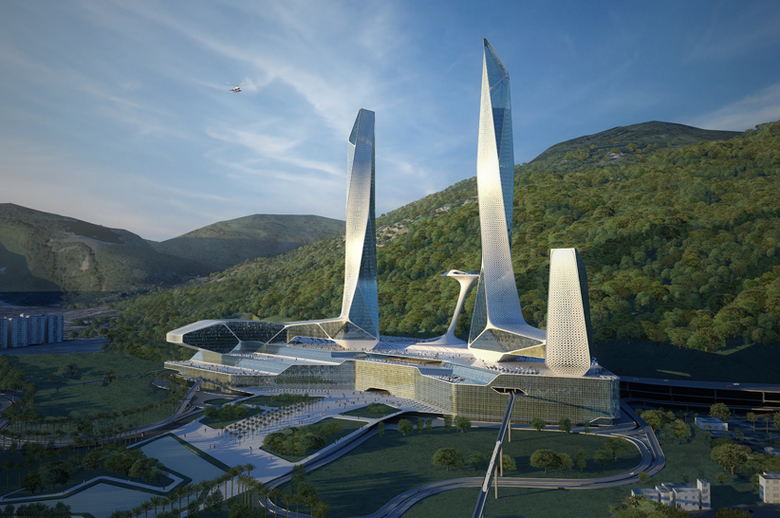
“It would really be hypocritical and double speak if, after their principled stand on PGCC, they end up approving a development exactly like that!” quipped US-based entrepreneur Mudasir Khan.
“Penangites are reasonable, but we don’t want another KLCC here,” said the Scoop contributor.
Penang Forum had sought a deferment of any plans until the local plan is ratified. Already, the reclamation projects, namely Silicon Island, are changing the look and feel of the island. Meanwhile, the LRT system and three bypasses are also feared to add to the density of the island.
Club general manager Leow Khin Ming told Scoop that it will take at least two years before anything can be done on the site.
“We need to dissolve the club, dispose of the assets and get the tax clearance from the government, and the proceeds equally divided among the members,” he said.
Even with this little window of bliss, everyone has accepted the inevitable fate of the club.
Kebun Bunga assemblyman Lee Boon Heng, whose constituency the racecourse sits in, said the state government will look at the proposals from bidders to decide on what is the best option
He hopes future plans would include the preservation of some of the site’s historical features.
“There is sentimental affinity to this club among the residents here, so hopefully the state will consider some form of preservation for the benefit of the next generation,” he said.
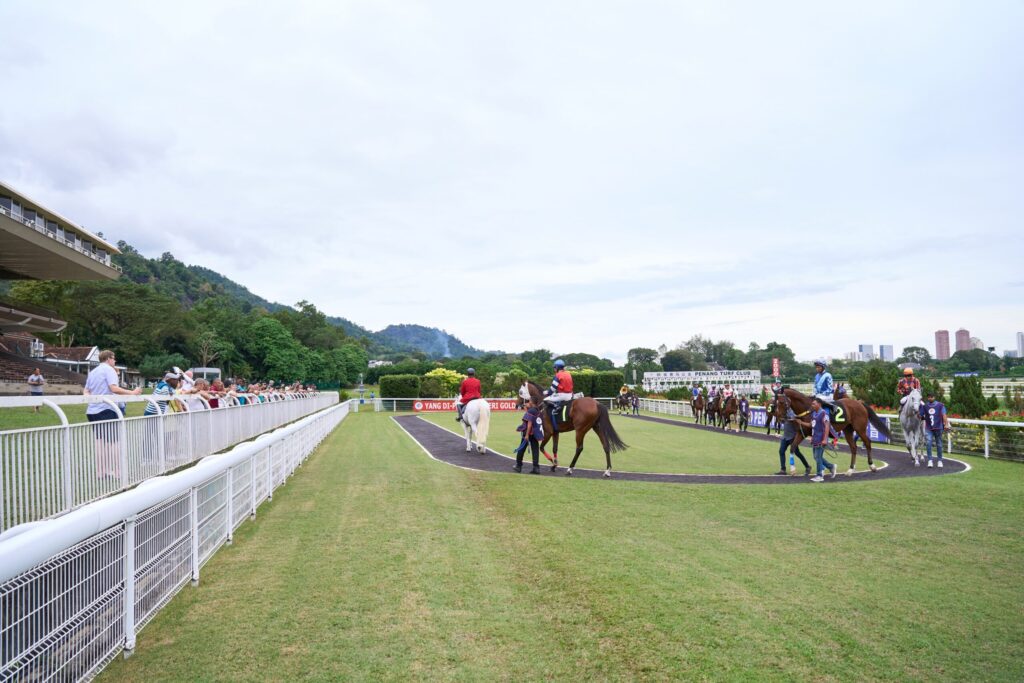
The turf club in Batu Gantung is in a quiet green enclave with many retirees and old money folk. Suffice to say that the people who live and own properties there have more than mere persuasive powers.
But it is not 2008 anymore. And DAP does not appear to face any formidable opponent in the next general elections, which could explain the kind of brazenness it has displayed in the development of Penang these past two decades.
Veteran journalist KH Ong, however, was more optimistic.
“Of course we cannot avoid progress and development, but it is important what the new development looks like.
“I believe the state will make the right decisions on the future of this site based on the wishes of the public.” – June 8, 2025
Terence Fernandez is group editor in chief of Big Boom Media which publishes Scoop.