

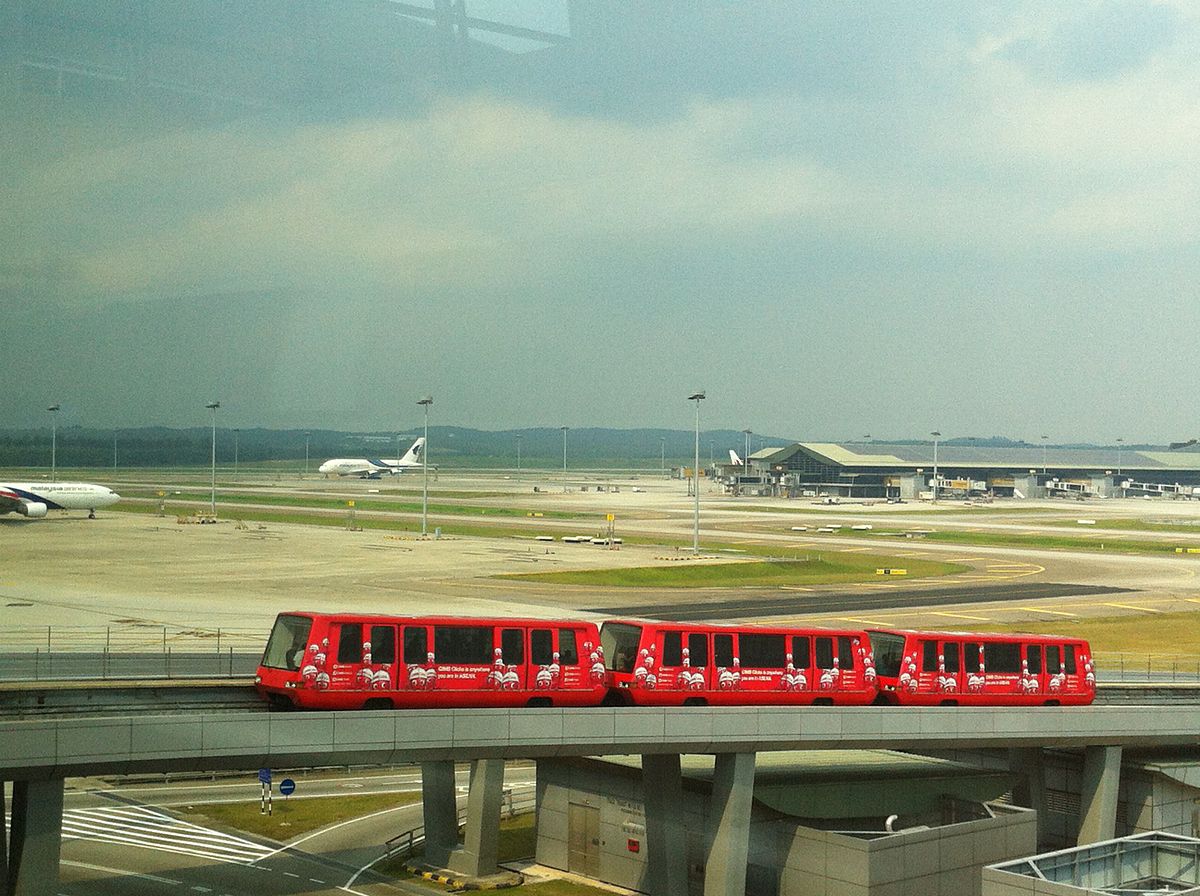
ON June 26, 1998, a monumental shift took place in Malaysia’s aviation landscape with the relocation of Sultan Abdul Aziz Shah Airport (SAAS) in Subang to the newly constructed Kuala Lumpur International Airport (KLIA) in Sepang.
This move, marking the dawn of a new era for air travel in the country, was not just about transferring operations; it was about redefining connectivity and accessibility for millions.
As we reflect on the 27th anniversary of this significant event, it is essential to recognise the immense planning and coordination that went into making this transition a success.
The move involved not only logistical challenges but also the collaboration of various government agencies, private contractors, and dedicated personnel who worked tirelessly to ensure that the airport’s opening went off without a hitch.
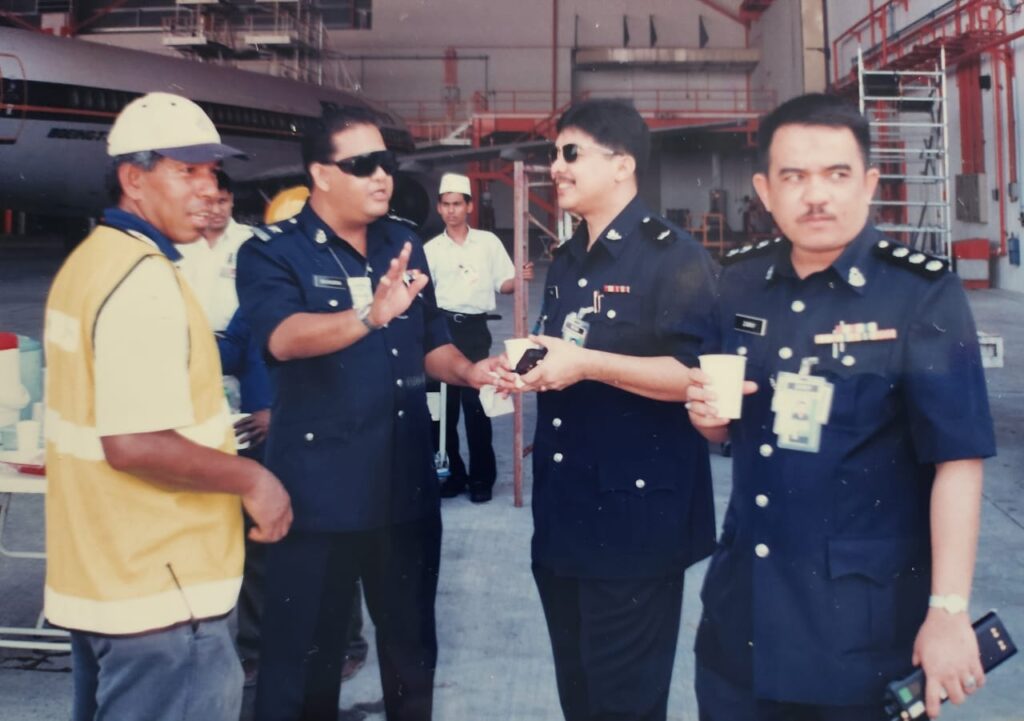
The task of overseeing this massive undertaking fell to me, a pilot with no formal training in logistics. It was an unexpected responsibility, one that would test my resolve and leadership skills like never before. The directive to manage the airport’s relocation came with a mere three months’ notice, a timeline that felt impossibly tight given the scale of the operation.
For a start, has anyone ever moved an entire house? Imagine relocating everything from the furniture, bedroom sets, settees, dining table and chairs, carpets, plates, glasses, pots and pans, and kitchen items to another house. The planning and ensuing exhaustion are immense.
The moving of our entire operations from SAAS Airport to KLIA 60km away is akin to moving 10,000 houses at once. Here is the inside story of the gigantic move.
In early 1998, after returning from a three-month Advanced Management Programme (AMP) at Harvard Business School, I discovered there was a restructuring and that there was no longer a place for me in Malaysia Airlines’ management.
What happened next was unexpected. An Executive Vice President, with the impending opening of KLIA and no obvious preparations made, suggested that I handle the big move to the new airport. I protested, explaining that it wasn’t my job or within my work scope. I asked him to find someone else.
The next day, the Executive Chairman Tan Sri Tajuddin Ramli came to see me at my office at the Malaysia Airlines Academy in Kelana Jaya, where I was still holding the post of Senior Vice President (Training).
The meeting was brief and straightforward.
He said, “Kamil, I want you to handle our move to KLIA.” Before I could respond, he barked, “What is this I hear you don’t want to do it?” He continued, “You know it is an honour to do it. Nobody has done it before. If there is anyone who can do it, you are the only one.”
With those words, I gathered the courage to say, “Okay, issue me the appointment letter.” I am very particular about official matters.
Without any fanfare and without bidding farewell to my staff, I left my posh office at the Academy for a smaller office in Admin 2, next to the warehouse, in the Subang complex and started work immediately.
All I had were two staff members: my loyal and hardworking secretary, Noreha Alaf, and my driver, Pak Ya, a fellow Kelantanese, along with four years of military training at the Boys Wing of the Royal Military College—though that was 30 years ago, from 1967 to 1970.
The first thing I did was ask Pak Ya to drive me around the entire MAS complex in the company van to assess the amount and volume of equipment that needed to be moved.
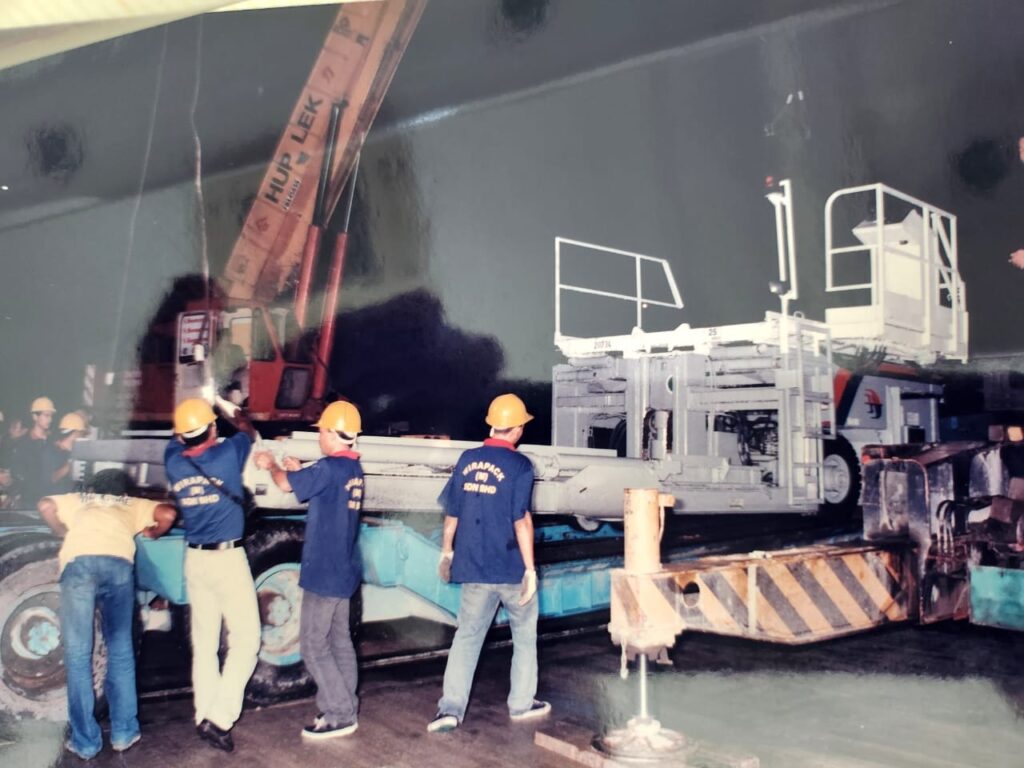
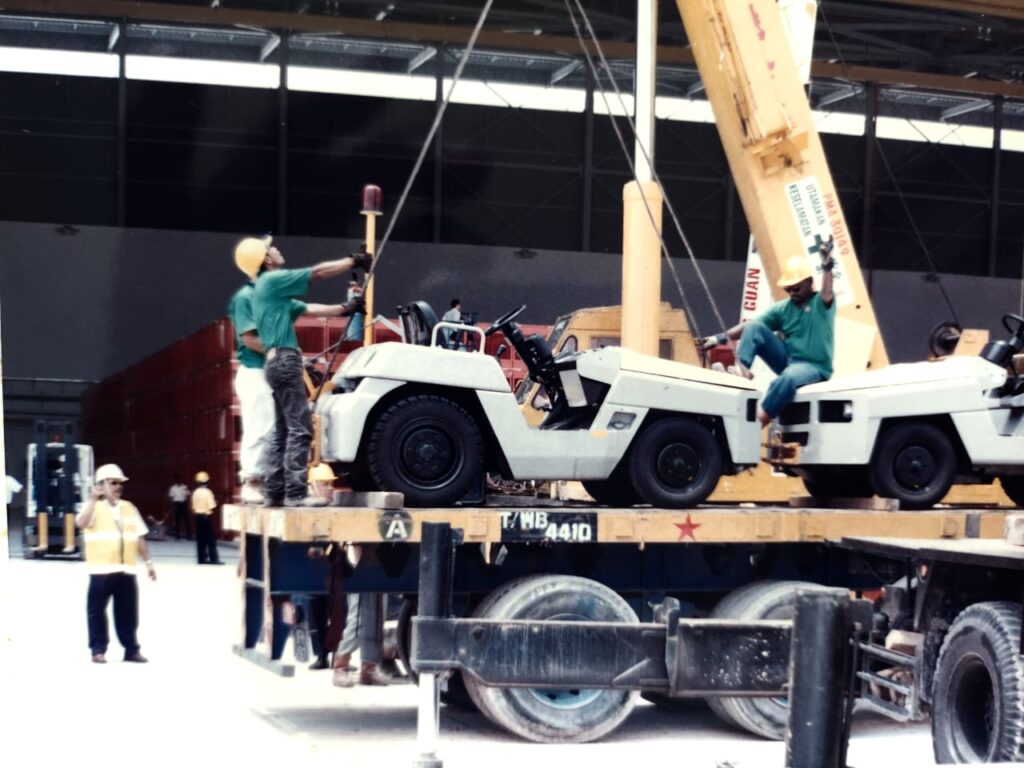
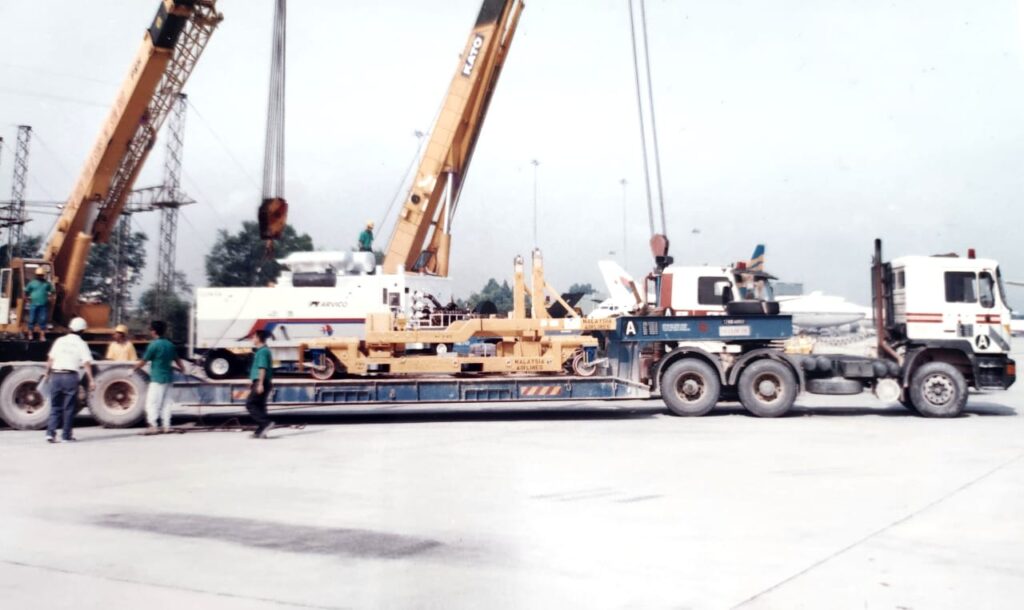
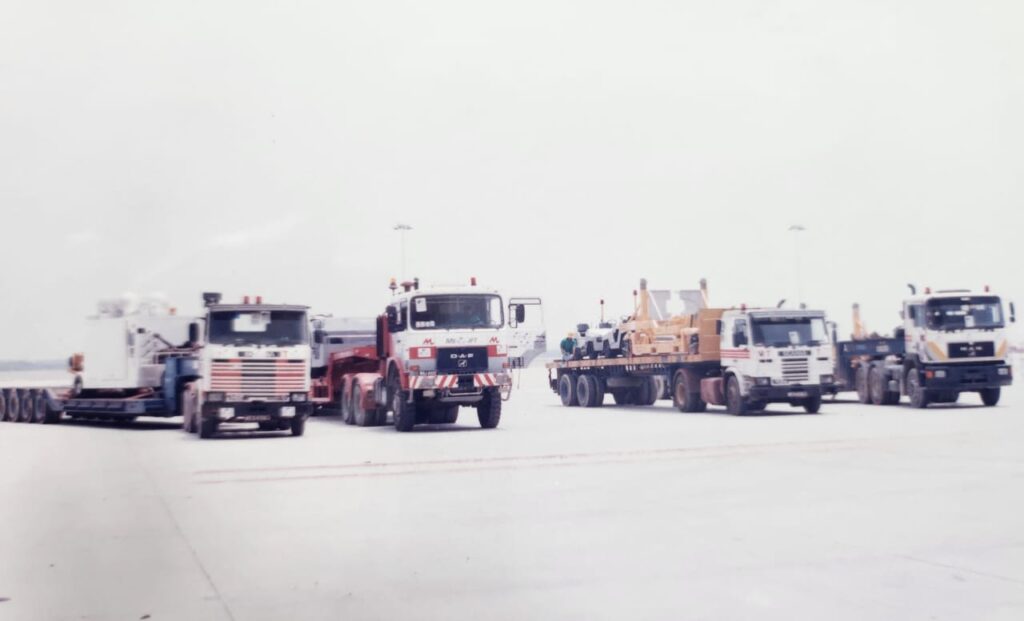
It was massive—26 years of accumulation: ground power units, tow trucks, air start carts, air conditioning units, aircraft steps, tow bars, dollies, vans, buses, JCPL (Jet Containers and Pallet loaders), baggage trolleys, catering trucks, water trucks, toilet trucks, aircraft chocks, jacks, spare parts—the whole works required to service and handle the aircraft.
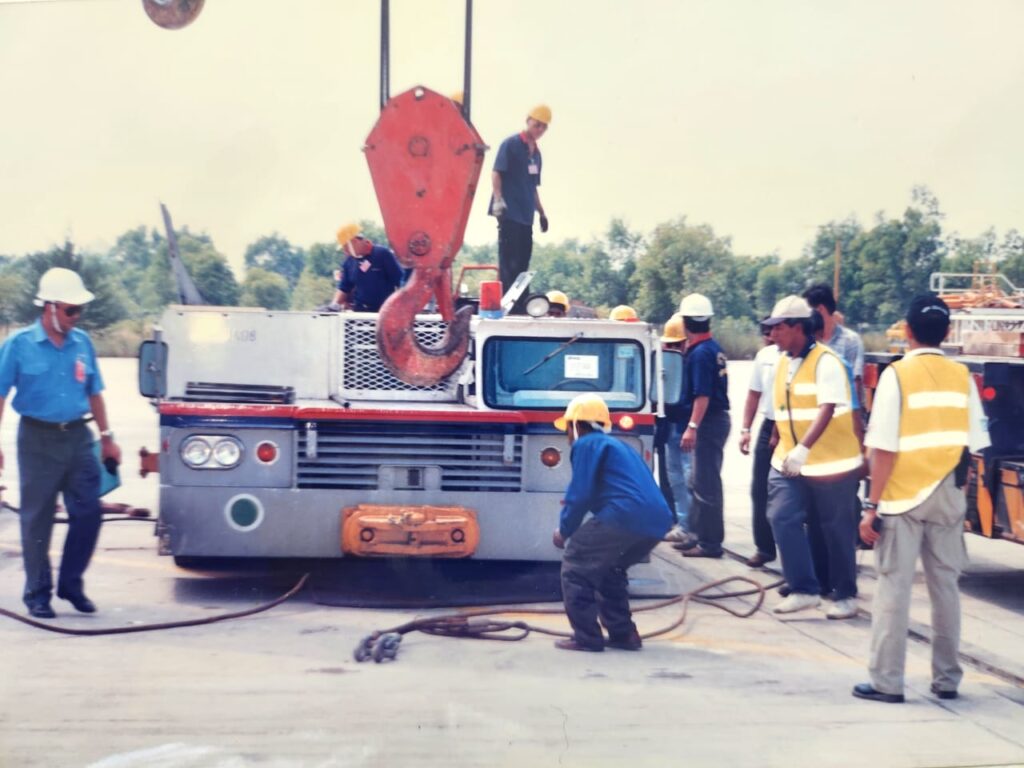
Immediately, I realised there was no way we could do it ourselves, nor could our staff be involved in the exercise, as they were required to handle the ongoing services.
Together with the Tender Board, we initiated a tender exercise. My military training came into play. In typical Military General fashion, during the briefing, I told the contractors, “We are going to move to KLIA. We want you to transfer everything there. EVERYTHING.” (I repeated myself for emphasis.) “We have only three months to do it while operations will continue normally in Subang. There will be a window of just six hours on the final day for the entire operations to restart from KLIA.”
After a week, they submitted their tenders. The bids varied from just RM400,000 to RM3 million, indicating they hadn’t appraised properly. I asked them to conduct a thorough review and resubmit their proposals.
My team studied all the tenders and chose the one from a contractor who claimed to have experience moving equipment for the Royal Malaysian Navy from Woodlands in Singapore to Lumut in Perak. Their working paper looked very impressive, and the cost was close to a million ringgit.
The move required precision, perfect timing, and coordination involving many government agencies.
Because timing was critical, the planning had to be meticulously executed. I was essentially alone in this planning phase, albeit with some support from three licensed aircraft engineers; l can remember only 2 now, Engku Perani and Azhar, and four management trainees assigned to me. Fortunately, KLIA’s opening was pushed back by three months, giving us a bit of breathing room.
The plan was to transfer all the old, unused, and to-be-repaired equipment first, at the early part of the exercise, while all recently purchased equipment would be sent directly to Sepang.
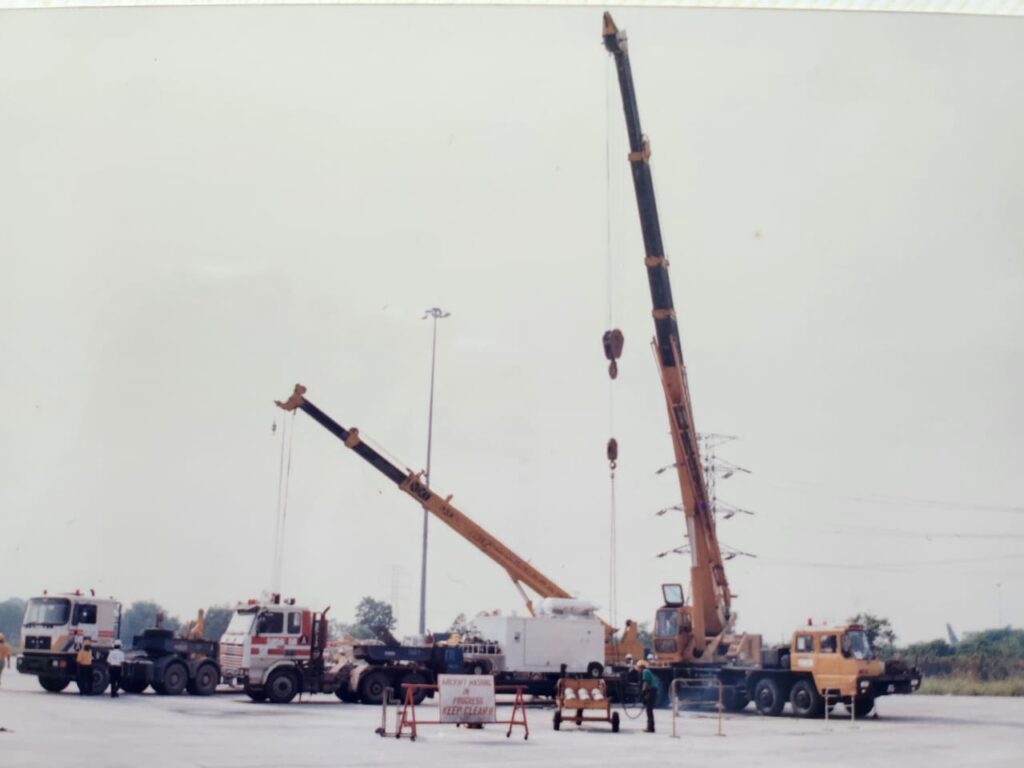
Not all equipment had to be transported on low loaders, trucks, or lorries. Some, like the vans and buses, were very mobile and could be driven on their own, but their movement was confined to the airport perimeters only, as they did not have road tax.
To solve that problem, I marched into the Director General of the Road Transport Department’s office in Jalan Dungun, Bukit Damansara, without an appointment. When I introduced myself to the DG, Dato’ Pahamin Rajab, to my surprise, he said, “I know who you are. You are Kamal’s brother. You make people work.” (Kamal is my elder brother, and they were classmates in Sultan Ismail College, Kota Bharu, Kelantan.) That broke the ice.
After explaining my purpose, he said, “Go ahead. Your vehicles are free to be driven without road tax. I will brief my officers not to ‘kachau’ (disturb) you.”
That’s something unique about Kelantanese. While they may quarrel among themselves in Kelantan, they help each other outside the state.
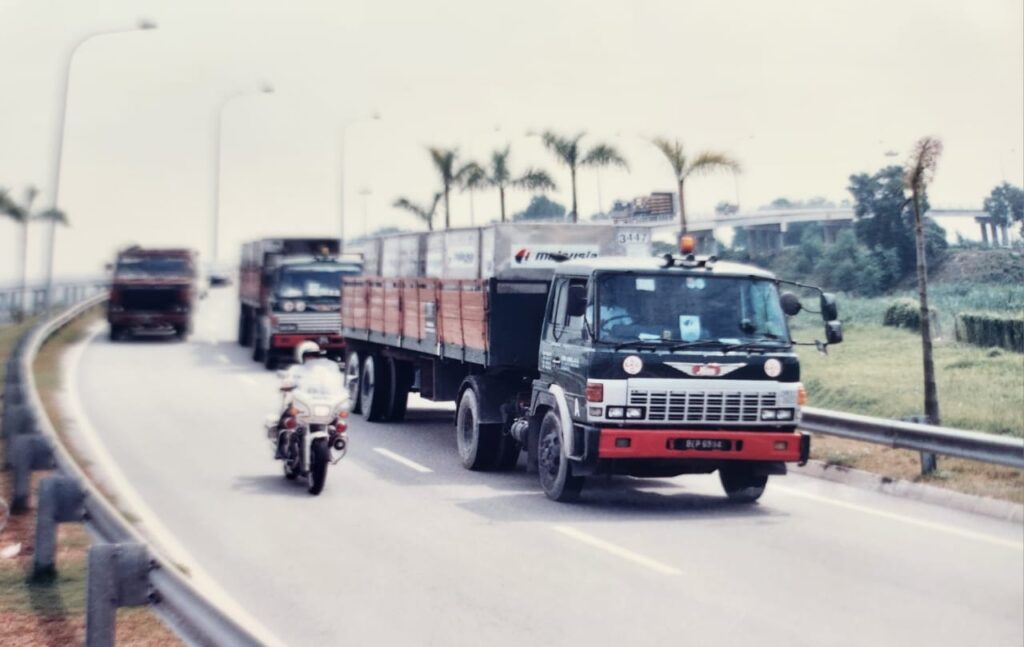
The movement of the vehicles also had to be carefully planned and coordinated. Initially, we planned for them to move in a convoy under police escort. For that purpose, the following morning, I went to see the Selangor Traffic Police at Ibu Pejabat Polis Kontinjen Shah Alam, again without an appointment.
The Selangor Traffic Police Chief, DSP Wan Ahmad Najmuddin, said there was no problem but requested that we notify them early when we needed their services.
Time was crucial for this BIG MOVE, especially on the eve of KLIA’s opening, scheduled for June 27, 1998.
Following the closure of SAAS Airport at midnight on June 26, after the last flight—a B747-400 service to London departed—we had to get all remaining equipment to KLIA by 6am the following morning for operations to commence from the new airport at 7am. Every second counted.
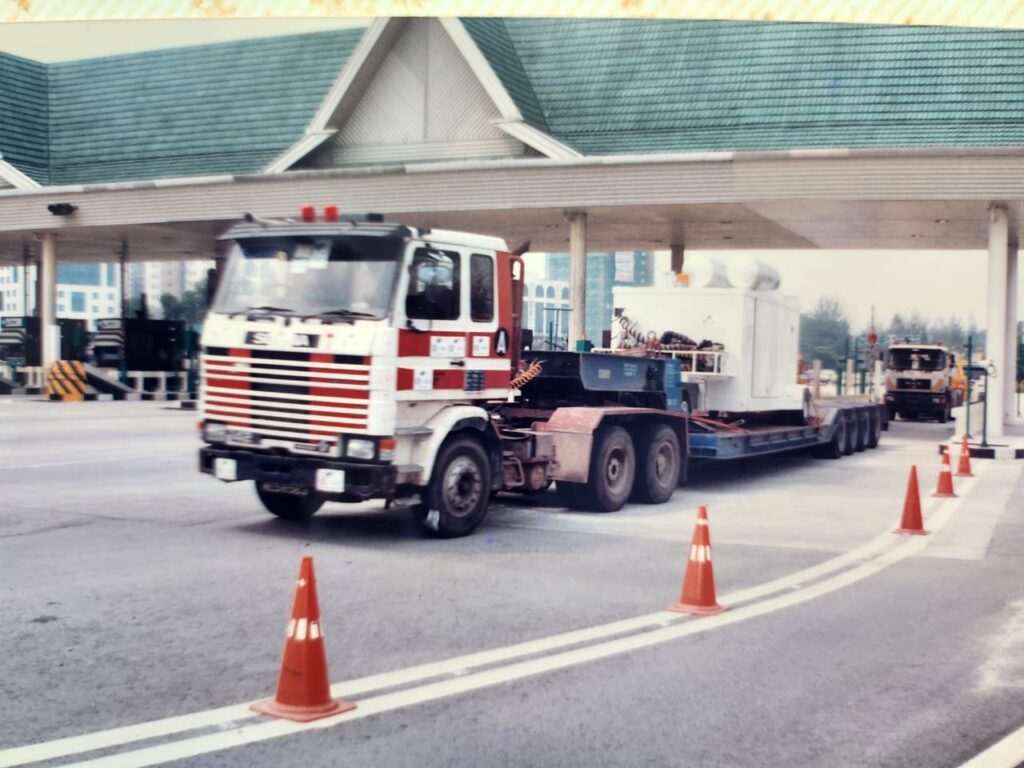
We had to consider that we couldn’t even afford for the vehicles to slow down at the toll booths to take tickets and stop at the exit to pay toll charges, which would cost us 20 seconds of precious time per vehicle, along with the ensuing paperwork for petty payments.
For assistance, I wrote to Tan Sri Halim Saad, Executive Vice-Chairman of Renong, owner of PLUS and ELITE highways.
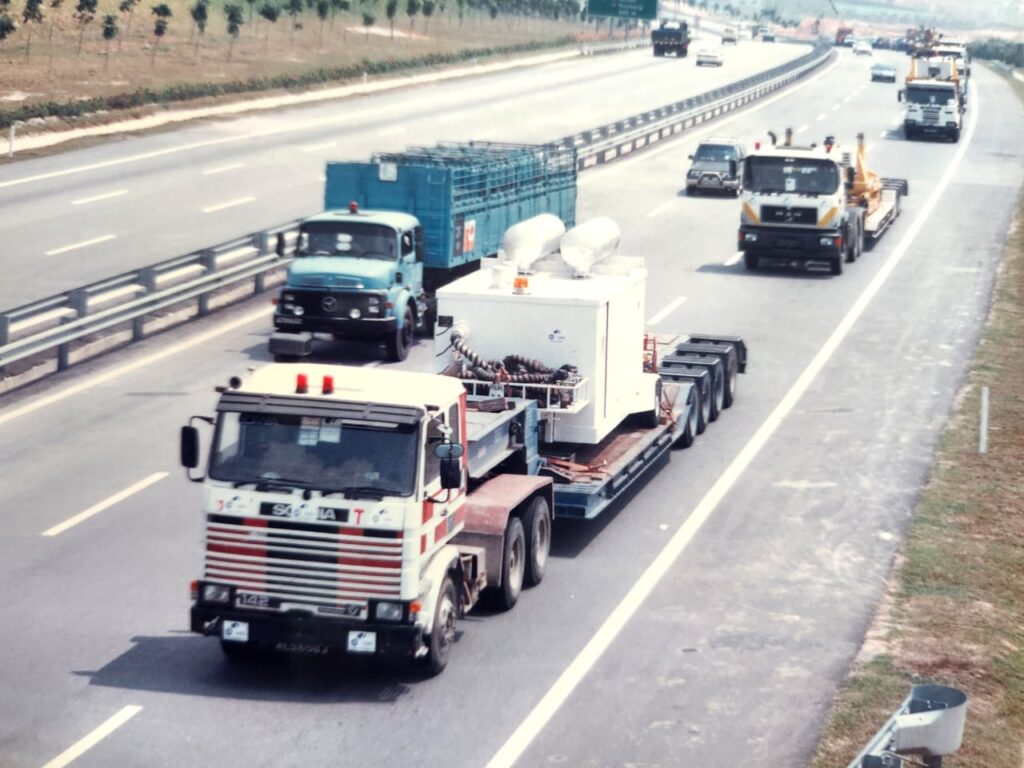
He responded immediately, asking me to liaise with Dato’ Ikmal Hijaz, the MD of PLUS, to finalise arrangements. Essentially, during the move, it was agreed that all vehicles involved—trucks, lorries, vans, buses, mobile aircraft steps, low loaders, and cranes—would drive through without stopping, using the left wide lane with the boom already set up.
The details—the SOP, the team leaders’ responsibilities, the staging areas, the schedules of movement, the way in, the way out, the unstaging areas, the route, the alternative route, etc.—were all documented in a manual and given to each of the team leaders and divisional representatives.
I briefed the Executive Chairman of the preparation, going to his office in TRI Building in Jalan Ampang, without an appointment.
He was delighted to see me and was happy with the work done thus far.
When I showed him the manual GUIDELINES TO KLIA MIGRATION, he was very impressed with it and asked for two copies, the extra copy to be given to the Prime Minister.
Now that all the planning was done, I gave myself a break by operating a flight to London. On the flight back, operating as a relief crew, without our knowledge, we had the Prime Minister Dato’ Seri Dr. Mahathir on board.
He was coming back after attending the CHOGM in Edinburgh. He knew me; I had flown him often, the first time when he made the official visit to China on November 20, 1985 with First Officer Kamarudin Kamilin, a very meticulous worker, as my copilot. That’s the reason why I chose him to be my assistant for that VVIP flight.
Approaching KL, I went to the back to invite Dr. Mahathir to the cockpit for landing. He likes to watch aircraft land. But his response was, “Tak payah lah Kamil. Dah banyak kali.” (No need, Kamil. I’ve done it many times.)
I persisted, telling him, “But Doctor, this time we fly low and abeam KLIA to see the new airport from the air.”
He changed his mind and followed me to the cockpit, taking the left jumpseat while I took the middle one.
Quietly, he observed not only the flight instruments but also outside the window and down below as we flew over Dengkil.
He was so excited to have a clear view of the new International Airport built under his directive.
The following day, I drove to KLIA for my inspection. After the Dengkil R & R area, I saw a fleet of fire engines and a team of firemen fighting the peat fire, which had been there for the past few weeks with nothing been done to put it out. It took the Prime Minister to get them into action.
The next day, we conducted a trial run bringing our heavy equipment before the airport’s scheduled opening. I was glad we did.
During this trial run, we also discovered that our migration could potentially create chaos for our operations at the new airport. Despite scrutinising the bids, the contractor awarded the contract turned out not to be a moving company but a housing developer.
To make matters worse, they did not have dedicated workers for the physically demanding tasks. All they had were a few clerical staff who began billing us for every item transported on each vehicle. This was not the arrangement; the agreement was for them to move EVERYTHING for ONE LUMP payment. Going item by item would create a massive logistical nightmare, and we did not have the staff to monitor and check each movement. Naturally, this risked exceeding the agreed budget.
I had to make the bold decision to terminate the contract because failure was not an option. Otherwise, my head would be on the chopping block, and we were just four weeks away from KLIA’s opening.
The following morning, l unexpectedly saw the Managing Director of one of the movers in our complex. They had submitted a bid, the cheapest at RM400,000, but their working paper left much to be desired.
I called on him.
At the office, I briefed him on all the preparations and planning we had done. They had 50 dedicated workers and would increase the numbers as the “D” day approached.
The cost—since we had a budget close to RM1 million—I informed him that he would receive the full amount after deducting what we owed the first contractor for their work. The deal was signed, and he started work immediately.
On the “D” day, the evening of June 26, 1998, we had all the cranes, low loaders, trucks, and lorries lined up along the airport road, stretching from the roundabout, waiting for the last flight to depart. Just before midnight, as soon as the Boeing 747-400 aircraft took off, I signalled for the team to move in.
We would have the entire airport to ourselves. But we encountered a surprise: the guard refused to open the gate for us.
Somehow, he didn’t know we were on the BIG MOVE. I had no time to argue with him; I ordered the first vehicle to smash through the gate. He was shocked to see so many heavy vehicles rushing past him.
The teams were assigned to their staging stations, and like clockwork, the equipment was loaded and driven off. We had free passage on the ELITE Highway, with the police guarding strategic points.
By 6am on June 27, all the equipment was in place at KLIA, ready for the first flight out—a special Boeing 777 service to Langkawi with the Prime Minister, Dr. Mahathir, and many VIPs on board; a symbolic flight to officiate the opening of KLIA.
With my job done, I went up to the terminal to see their departure. However, with a huge crowd in the departure hall and feeling exhausted—having not slept since the day before—I took a quiet spot to reflect, “What have I done?” It was an unthinkable task completed without any mishaps. I wondered how I managed it all.
The next moment, the Traffic Services Manager came rushing to me. “Captain, we have been looking for you. We have a problem. The PM’s flight cannot depart on time. The machine to process passengers’ boarding passes is not working. The aircraft in the air cannot hold much longer. Please do something.”
For the inauguration of KLIA, the plan was for the PM’s flight to symbolise the first flight to operate out of the airport. As such, we rescheduled our arrivals to land after that flight’s departure. There were four flights arriving that morning—all Boeing 747-400 services from Los Angeles/Narita, Sydney, Johannesburg, and London Heathrow.
Collectively, they had more than 1,200 passengers. If they had to divert, it would create chaos for our operations. Crew members might have to disembark at alternate airports, such as Penang or Langkawi, due to exceeding their duty time, requiring fresh crews to be positioned there.
I stood up from my seat, and though very tired, I took a steady walk to see Dr. Mahathir. He recognised me; but he didn’t expect me, a pilot, to be in charge of ‘pindah barang.’
In my sweaty and smelly clothes, having not bathed or changed clothes in the last 48 hours, I approached him and went straight to the point.
“Doctor, we have a problem. This flight cannot depart on schedule. There are flights circling to land. They are low on fuel. Can we allow them to land first? Otherwise, they will have to divert.”
“Yes, yes, yes. Go ahead. Let them land,” he responded very considerately.
After thanking him, I called up the Control Tower to let the aircraft land. One after another, they landed. Only after that did the PM’s flight depart, albeit with a 40-minute delay.
After the flight departed, I took a slow walk to the Pan Pacific, the hotel adjacent to the main terminal building, for my much-
deserved sleep. To save costs, I shared a room with Pak Ya. When I entered the room, he was already snoring—he was equally tired. After taking my shower, I hit the sack, only to be woken up two hours later by a phone call. There was chaos at the terminal; the TAMS (Total Airport Management System) had collapsed, suspected due to system overload. (We had actually done a trial run operating a Boeing 747-400 flight which l commanded, to KLIA to test the system, having the airport staff- the police, customs, security, immigration and their families and some Kampong folks from Sepang and Salak as passengers. They, about 350 of them, were made to go through the whole process of checking in, the arrival steps and baggage retrieval at KLIA ).But the demand, at full capacity, was very heavy on the airport’s first day of operations. This system managed all electrical and electronic data for the airport, resulting in no display on the Flight Information screens, and the baggage system had stopped.
I went to the bowels of the airport, one of the major problem areas, and worked alongside the baggage handlers to sort out the passengers’ suitcases. The place was humid and dusty, as expected, being recently completed, and there wasn’t a single drop of water to drink.
The system was slowly restored by the consultants and MAB engineers, and after two days, everything returned to normal.
While we received ample cooperation from other agencies, we unexpectedly faced problems from within—something I could not comprehend.
A shiny new airport would be useless without workers. Our staff were all concentrated around Subang, and KLIA was quite far away. To ensure our operations ran smoothly in the first few days, we arranged accommodation for essential staff at the Concorde Inn near the KLIA cowboy town.
For the other staff, while they were transitioning to settle down nearer to KLIA, we arranged a bus service shuttling between Subang and the new airport.
There was no staff canteen. Likewise, in KLIA, the newly set up staff canteen was not yet operational. So, I arranged for a vendor to sell food and drinks at the bus station to the delight of the staff.
So, what did I gain from handling this task for which I was neither trained nor initially assigned? Nothing, except for a word of appreciation from the Managing Director, Dato’ Wan Malek, my senior in RMC, as he was about to leave the company. My response to him was, “Saya hanya menjalani tugas.” (I was just doing my duty).
Looking back, the successful migration of KLIA stands as a testament to what can be achieved through determination, teamwork, and unwavering commitment. While the challenges were immense, the pride in witnessing the airport thrive and connect people from all walks of life was the ultimate reward. As we commemorate this milestone, let us remember the spirit of collaboration that made it all possible and continue to strive for excellence in all our endeavours. – June 26, 2025
Captain Mohd Kamil Abu Bakar was Director of Flight Operations at Malaysia Airlines . This article has been edited for brevity