

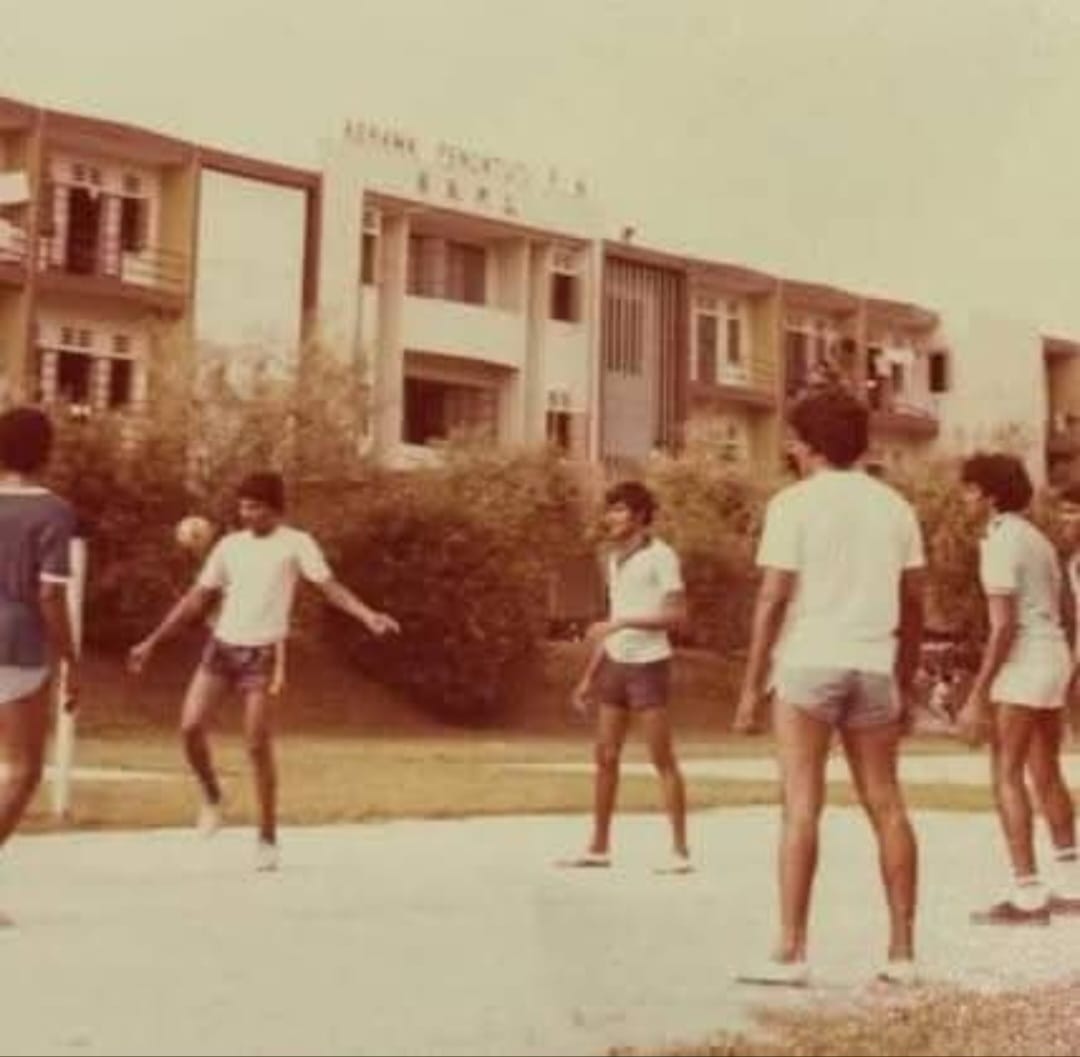
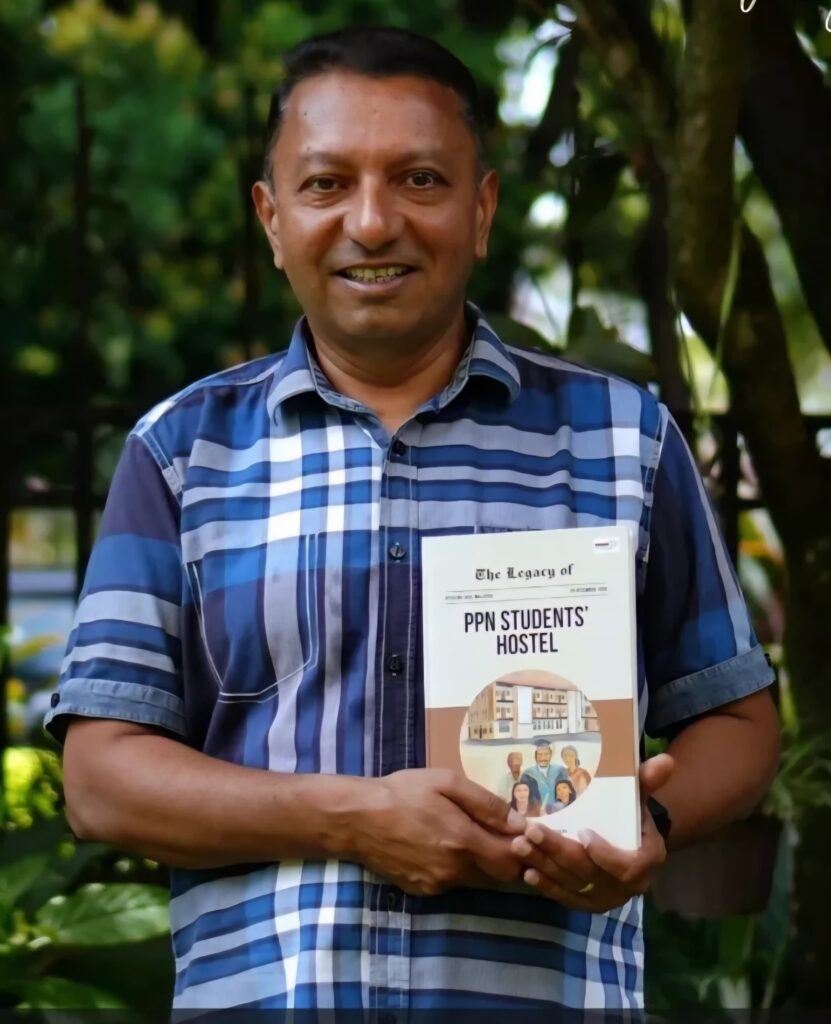
RECENTLY, I missed the much-anticipated launch of the book The Legacy of PPN Hostel, written by Ravindran Raghavan. Although I could not be there in person, reading the book brought a flood of memories—vivid, poignant, and deeply personal—of the years I spent within the walls of this remarkable institution.
The pages transported me back to a time and place that shaped not only my own journey, but also the destinies of so many who walked its corridors before and after me.
The PP Narayanan (PPN) Students Hostel, opened in 1966 by the National Union of Plantation Workers (NUPW), was never just a building.
Nestled in Petaling Jaya, Lorong Utara, right opposite Tun Hussein Onn Eye Hospital, it stood as a sanctuary for children of estate workers—young men and women who had fought against the odds to secure a place in the University of Malaya or nearby colleges. For two formative years, it was my home, my refuge, and my launchpad.
The story of PPN Hostel is inseparable from the story of the estates. Their parents and grandparents, brought from Tamil Nadu, Kerala and Andhra Pradesh under the British Kangani system, cleared jungles and toiled in rubber plantations for meagre wages.
The estates were communities bound by hardship and hope, where education was a rare and precious opportunity. Most of them began their schooling in vernacular primary schools, taught in Tamil or Telugu, but the real challenge came when they had to transition to English-medium secondary schools in town—a leap that required not just academic ability, but also immense perseverance.
For many estate children, the journey to the city was fraught with obstacles. The lack of secondary schools nearby, the cost of transportation, and the struggle to master English often forced many to abandon their studies after primary school.
Those who made it to the city did so through the extraordinary sacrifices of their families—parents who scraped together every cent to pay for tuition, uniforms, and bus fares, all in the hope that their children might break free from the cycle of poverty.
Arriving at PPN Hostel, we were survivors of an educational odyssey. The transition was daunting: the Remove Class, the Lower Certificate of Education (LCE), and later the Malaysian Certificate of Education (MCE) and Higher School Certificate (HSC) were formidable hurdles, especially for those of us still grappling with a new language and unfamiliar customs.
Yet, within the hostel, we found a community that understood our struggles. We leaned on each other, sharing not just rooms but also dreams, fears, and the determination to succeed.
What made PPN Hostel truly extraordinary was the calibre of those who lived there. It was humbling to realize that the very rooms I called home had once housed future deputy ministers, ambassadors, a chief secretary of government (who was my room-mate), CEOs, and hundreds of PhD holders.
These were not distant legends, but seniors and friends who mentored us, inspired us, and showed us what was possible.
To walk, play, and study alongside such individuals was a privilege that left a lasting imprint on my life.
Their achievements were never just personal victories. Each success reverberated through families and communities, breaking cycles of poverty and opening doors for future generations. The hostel’s impact can be measured not just in degrees and titles, but in the hope, it kindled and the barriers it shattered.
By some estimates, with about 120 occupants per year and 40 new additions annually since 1966, PPN Hostel produced around 1,500 success stories—each a testament to what is possible when opportunity meets determination.
Life in PPN Hostel was a tapestry of shared experiences. Mornings began with the bustle of students preparing for classes, evenings were filled with group study sessions, and weekends brought celebrations of festivals that reminded us of home.
The bonds we formed transcended backgrounds and languages; we were united by a shared dream of a better future. Our dining hall, serving three hearty meals a day, was nothing short of legendary. But the real star was the fried chicken on Saturdays—so irresistibly delicious that it caused a near-crisis every week.
We’d try to save some for the latecomers from lectures, but more often than not, by the time they showed up, the chicken had mysteriously vanished! It was as if the chicken had legs and ran off before anyone could say “second helping.” You could almost hear it whisper, “Catch me if you can!”
The hostel was more than a physical space—it was a crucible of character. We learned resilience, empathy, and leadership. We learned to rise after setbacks, to support one another, and to never lose sight of our goals. The alumni of PPN Hostel went on to lead, inspire, and serve not only the Indian community but also the nation and the world.
Sadly, PPN Hostel closed its doors in 1996, after three decades of shaping lives. The reasons were financial, but the sense of loss was profound. Even today, many of us feel a pang of nostalgia and regret that such a powerful force for good could not be sustained.
Today, where once stood a vibrant hostel that nurtured the dreams and growth of countless Indian youths, now rises a modern apartment named Istara Condominium. The only thread connecting past and present are the coconut trees lining the fence—still standing tall, yet not the same ones that witnessed the laughter, struggles, and triumphs of those who called that place home.
Those original trees held silent witness to a legacy that no building can replace, and though new palms sway in their stead, the spirit they once sheltered lives on only in memory.
Yet, as The Legacy of PPN Hostel reminds us, its spirit endures. The hostel lives on in the achievements of its alumni, in the communities they uplift, and in the memories of all who called it home. It was a beacon of hope, a sanctuary for dreamers, and a launchpad for leaders.
As I close the book and reflect on my own journey, I am filled with gratitude for the opportunity to have been part of this extraordinary legacy. PPN Hostel was, and always will be, the alma mater of proven success and great leaders—a place where the ordinary became extraordinary, and where every footprint told a story of triumph against the odds.
Thank you Ravindran Raghavan for igniting these wonderful memories. “The Legacy of PPN Hostel” can be purchased through the author at [email protected]
Ravindran Raman Kutty is a veteran communications practitioner and community leader