

NATIONAL demand for energy goes along with its socio-economic development needs and its techniques of production, whether energy-intensive or otherwise.
While we have relied much on fossils as a source of energy, such as petroleum, we have also relied on natural gas and coal to meet the energy requirements.
However, public policies in many places have increasingly relied on other sources of renewable energy, such as hydro and solar power.
We have not depended, given our natural endowment, on other sources of power, such as wind and waves, for supplementary sources of energy.
As of 2024, over 75% of our energy mix is from fossil oil. We hope to halve it by 2035 and to reach the 75% target of renewable energy by 2050 as targeted by the National Energy Transition Plan (NETR).
The world has called for increasing use of renewable energy, such as hydro power and solar energy and also from other natural sources to support economic growth and social development.
Transport-related economic activities demand lots of energy, and transport is critical for the movement of goods and services in a country and international trade.
Greater diversification in the use and sources of energy are part of the overall efforts to achieve sustainable development and to reduce pollution from transport-related activities.
In this regard, Malaysia has answered the international call for sustainable development with its policy for energy transition, such as by 2050, it will achieve zero carbon emissions. At this point in time, our reliance on energy mainly comes from fossil energy sources.
Malaysian consumption of energy is quite high given our rapid industrialisation and demand for construction-related activities such as the use of steel in all houses, factories and buildings.
It is enhanced even more with transport needs, both private and public, especially in the movement of goods and services. The availability of subsidies in public transport as well as in private transportation for decades made the demand for private transport quite inelastic.
It is equally a concern that society finds it so difficult to dismantle its diesel subsidy and subsidy for petroleum product RON95, with its concern in curbing inflationary tendencies. It seems that the government is so sensitive to price inflation in its economic management of the nation.
To make matters worse, the public seems to take for granted the use of energy and in private transport, not realising that the costs of such activities affect the government’s budgetary challenges and are part of the cause of the fiscal deficit.
An untold concern in all these discussions is the culture that goes along with these subsidised energy prices.
The subsidy is already considered a permanent income of the households. It is difficult for people to change and adjust to a way of life and production system that relies less on fossil energy and more on renewable energy. The change demands lots of new investments in infrastructure and facilities.
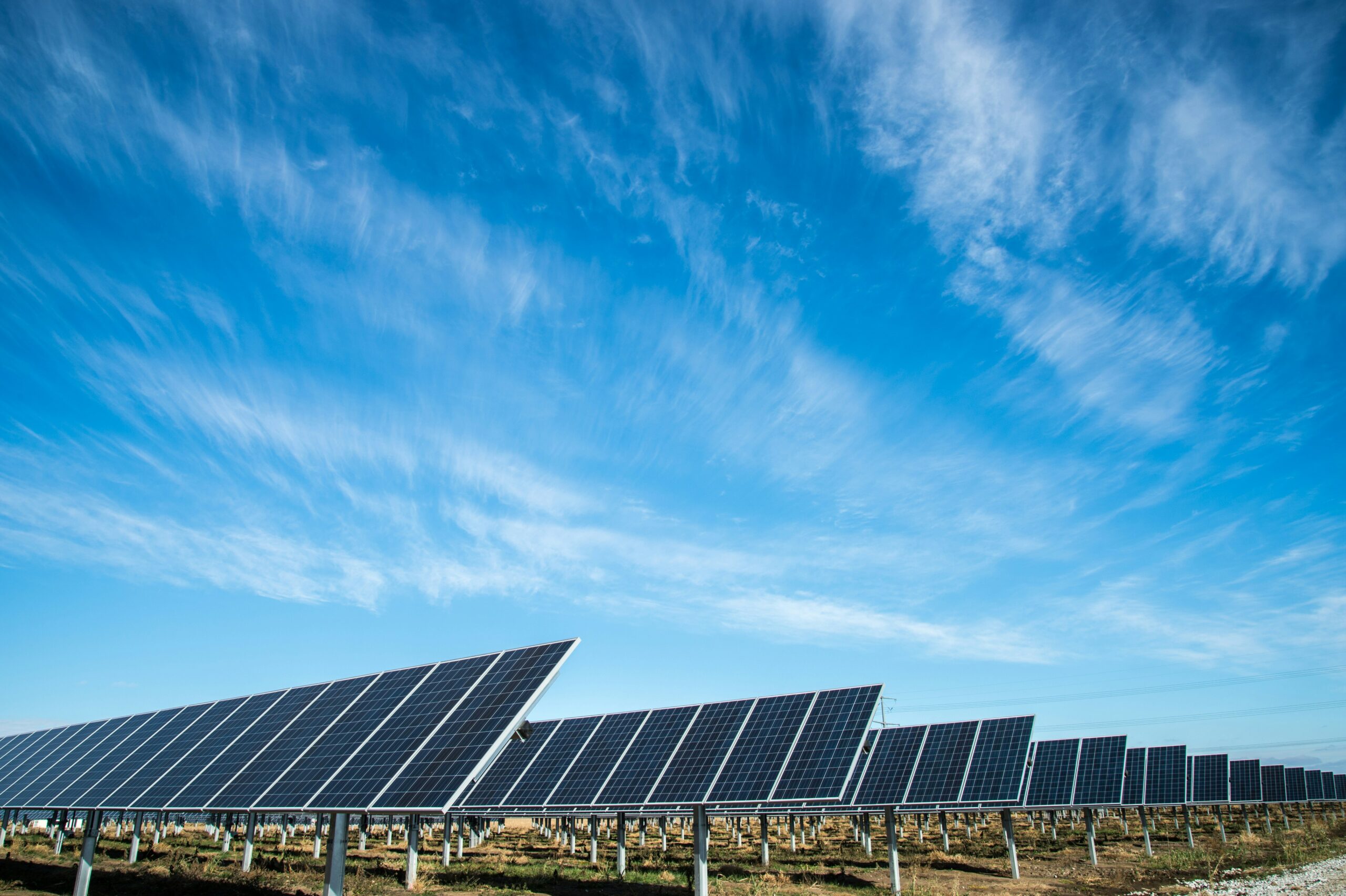
The transition plan (NERP) will demand huge capital investments estimated at about USD10.8 billion in order to install up to 153GW of solar energy by 2050.
Yes, there may be challenges. However, we have to soldier on with the plan and its implementation, notwithstanding the many challenges.
There should be greater coordination in the country, given that some states demand more energy, such as Sabah, while a few are blessed with cheaper renewable energy, such as Sarawak. Indeed, Sarawak has been articulating its state plan to take advantage of its large potential for renewable energy, such as hydropower and solar. It is also contemplating exploring the potential of hydrogen as another source of energy.
We also need to cooperate in matters of energy on a regional basis, such as with Vietnam, from where we can source imports of renewable energy.
All these are part and parcel of our aim to achieve long-term sustainable development and the need to take a long-term view of our natural resources and assets, which we need to pass on to our posterity. The future generation has the equal right to inherit a cleaner environment and a better quality of life.
In all these, the narrative is clear: we have to achieve sustainable development and an energy utilisation system that increasingly relies on renewable energy. It goes without saying too that our mental make-up and culture have to be consistent with our long-term policy of a heavy and significant reliance on renewable energy. — July 28, 2025
Tan Sri Dr. Sulaiman Mahbob is an Adjunct Professor at the International Institute of Public Policy and Management (INPUMA), Universiti Malaya