

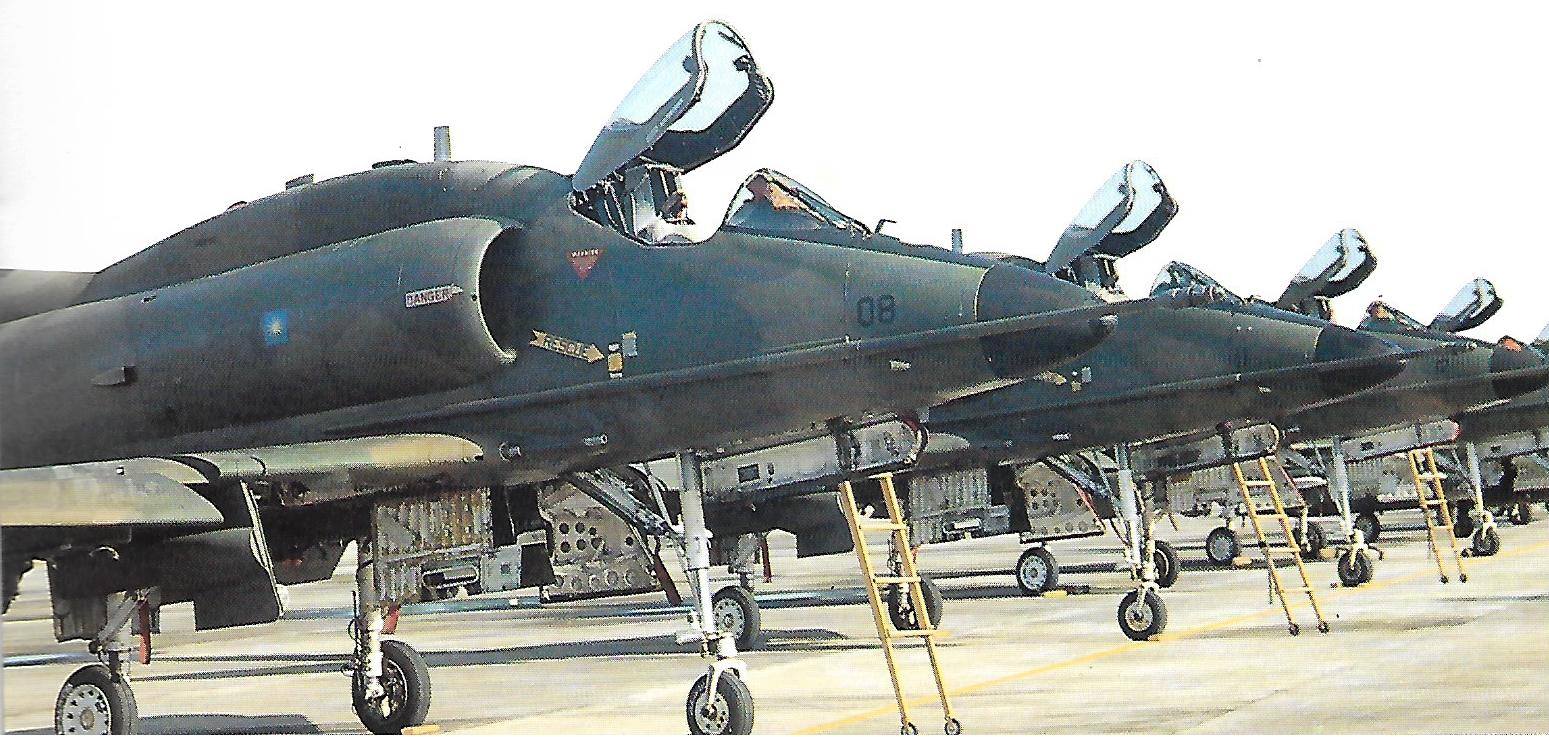

MALAYSIA’S acquisition of the A-4 Skyhawk jets in the 1980s remains one of the most contentious defence procurements in the country’s history. From rising costs and safety concerns to operational shortcomings, the Skyhawk programme has become a case study in military procurement gone wrong.
This week, the Yang di-Pertuan Agong Sultan Ibrahim revived the conversation, using the Skyhawk debacle as a cautionary tale against repeating similar mistakes in Malaysia’s current and future defence planning.
In a stern warning yesterday, Sultan Ibrahim ordered the Defence Ministry to cancel the purchase of used Black Hawk helicopters, some of which were three decades old, likening them to “flying coffins”. He also criticised the involvement of intermediaries and former generals in procurement, warning that it could deplete the budget and lead to subpar decisions.
In 1982, Malaysia acquired 88 surplus A-4 Skyhawk aircraft from the United States. These jets, originally manufactured in the 1950s and deployed during the Vietnam War, were initially seen as a cost-effective way to modernise the Royal Malaysian Air Force (RMAF). Spearheaded by then-Prime Minister and Defence Minister Tun Dr Mahathir Mohamad, the purchase was touted as a practical solution to bolster Malaysia’s air capabilities. However, only 40 of the jets were delivered, with the remaining aircraft either left in storage or dismantled for spare parts.
Though initially priced under US$1mil per jet, the costs of refurbishing the Skyhawks soon spiralled out of control. The upgrades, which included replacing engines, avionics, and structural components, eventually pushed the total expenditure to US$320mil (nearly RM1.2 billion)—more than four times the original estimate.
The technical challenges didn’t stop at the price. The retrofit process faced significant delays, and many of the refurbished jets were cannibalised for parts. Even after the A-4PTM models were delivered, they still lagged behind contemporary fighter jets in terms of performance and safety, raising deep concerns about their long-term viability in Malaysia’s air defence strategy.
Obsolete and operationally limited
By the time the Skyhawks entered service in 1985, they were already considered obsolete. The US Navy had long since replaced the A-4 with more advanced aircraft like the F-14 Tomcat, and regional air forces were beginning to deploy modern multirole fighters. Malaysia’s decision to invest in such aging technology was increasingly questioned, especially as newer, more capable jets were entering service in neighbouring countries.
In addition to their ageing design, the Skyhawks faced reliability issues. Reports from the RMAF revealed that the aircraft’s limited capabilities rendered them unsuitable for modern combat situations, while safety concerns continued to mount. Sultan Ibrahim’s recent remarks highlight the longstanding apprehension within the RMAF about the Skyhawk’s relevance and operational effectiveness.
Key accidents: Safety concerns emerge
The Skyhawk fleet was involved in several accidents over the years, many of which were attributed to mechanical failures or pilot error, underscoring the risks associated with operating such an old platform.
Due to the Skyhawk’s age, sourcing replacement parts became increasingly difficult, and mechanical failures led to several crashes. Some of the jets were grounded for extended periods due to the unavailability of essential spare parts, further affecting their reliability. These challenges compounded the aircraft’s operational risks, leaving the RMAF with an unreliable and ageing fleet.
Despite being regarded as relatively easy to fly, the high-pressure nature of training and operational missions led to the accidents, especially among less experienced pilots. There were numerous reports of trainee pilots losing control during demanding manoeuvres or in adverse weather conditions, often pushing the aircraft beyond its limits.
Malaysia’s Skyhawk fleet also saw fatal accidents, including the 1988 disappearance of Lt. Wahi Anuar Mat Amin over the South China Sea, later declared killed in action.
Additional crashes in subsequent years and incidents like Lt. Khairil Asri Baharin’s emergency ejection in 1985 highlighted the aircraft’s unreliability.
Despite the Skyhawk’s reputation for safety compared to other aircraft of its era, these recurring incidents ultimately contributed to the decision to retire the fleet in favour of more modern, reliable platforms.
A new chapter: The Hornet deal with Kuwait
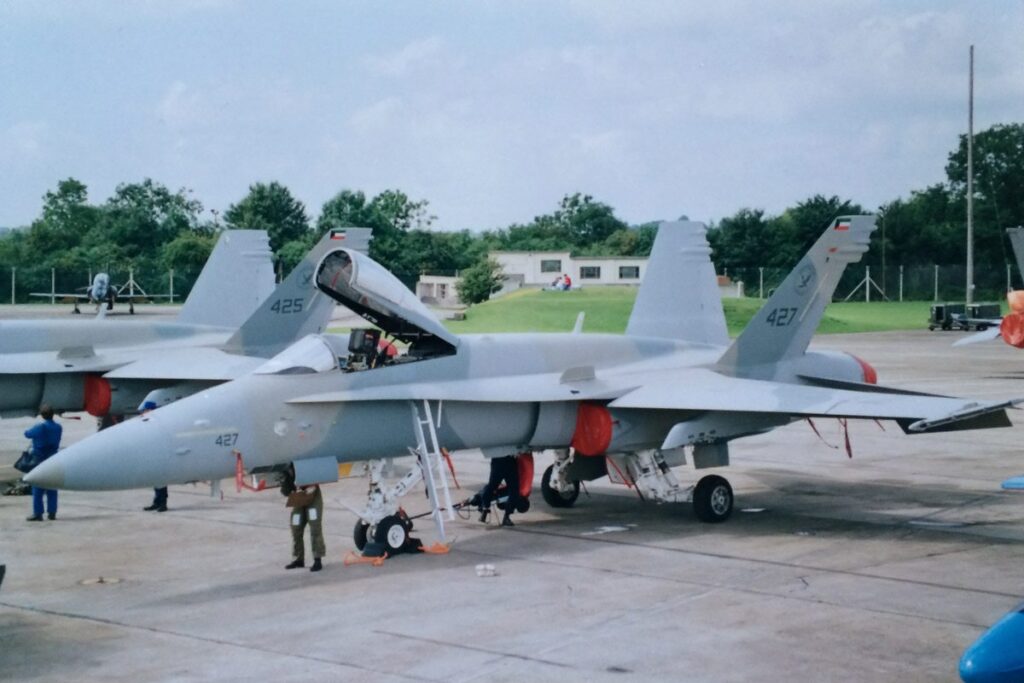
Fast-forward to today, Malaysia is pursuing a much more strategic approach with its latest military acquisition plans: up to 33 used F/A-18C and F/A-18D Hornet jets from Kuwait.
Recently cleared by the United States under the Arms Export Control Act, this deal marks a departure from the Skyhawk fiasco.
Unlike the A-4 Skyhawks, the Hornets are said to be well-maintained, battle-tested, and capable of meeting modern air combat requirements. These aircraft will enhance Malaysia’s air defence capabilities, particularly following the retirement of the MiG-29s and Hawk trainers.
Currently, Malaysia operates eight F/A-18D Hornets and 18 Su-30MKMs. The addition of the Kuwaiti jets will complement these platforms, while 18 new FA-50M light fighters from South Korea are also on order, further strengthening Malaysia’s aerial capability.
While the Kuwaiti deal promises a short-term boost to the RMAF, critics argue it risks repeating past procurement pitfalls—prioritising expediency over long-term capability.
The Kuwaiti Hornets, delivered between 1992 and 1993, are over three decades old. Though they remain airworthy and combat-proven, their relevance in modern air combat is increasingly questioned.
Malaysia’s own fleet of eight F/A-18Ds—acquired in the late 1990s—has served reliably, but even these are slated for retirement between 2032 and 2035.
The proposed acquisition would extend Malaysia’s Hornet fleet temporarily, but only for 8–10 years and would serve as a “stop-gap” measure. Critics argue that this short service window undermines the cost-effectiveness of refurbishing and integrating older airframes into active duty.
One of the most glaring concerns is technological obsolescence. The Kuwaiti jets are equipped with the AN/APG-65 radar, a system considered outdated compared to the AN/APG-73 found on Malaysia’s existing Hornets. Upgrading these systems would require additional investment, raising questions about whether the funds would be better spent on newer platforms.
In late July, the RMAF said it is preparing to send a technical team to Kuwait in September to assess the Kuwaiti Hornet fighter jets offered to Malaysia. RMAF Chief General Datuk Seri Muhamad Norazlan Aris confirmed that the mission had received official approval from the United States, which would grant access to documentation and maintenance records.
“The team will evaluate the jets on-site over two to three weeks. These are used aircraft, so we must assess long-term viability, particularly maintenance requirements,” General Muhamad Norazlan said in a statement. “There’s no point in acquiring a large fleet if we can’t maintain them for operational readiness.”
Malaysia’s ability to receive the legacy Hornets hinges on Kuwait completing its own transition to the F/A-18E/F Super Hornet fleet, expected in 2026. Any delays in Kuwait’s modernisation program could push Malaysia’s acquisition timeline to 2027 or beyond—potentially affecting RMAF’s operational readiness during a critical period of regional military modernisation.
A shift in defence strategy?
The stark contrast between Malaysia’s Skyhawk and Hornet acquisitions highlights a shift in defence strategy—from rushed, opaque procurements to more structured, multilateral arrangements.
Sultan Ibrahim’s intervention, calling for the cancellation of outdated platforms, underscores the importance of transparency and strategic foresight in military procurement.
As Malaysia continues to develop its defence strategy, the Skyhawk experience remains a sobering reminder of the dangers of ill-considered defence purchases, while the Hornet acquisition signals a more prudent, forward-thinking approach.
The lessons learned from the Skyhawk debacle are now shaping a more careful, thoughtful path towards modernising the nation’s military assets, with a focus on reliability, safety, and long-term operational effectiveness. – August 17, 2025
***A. Azim Idris is a News Editor at Scoop