

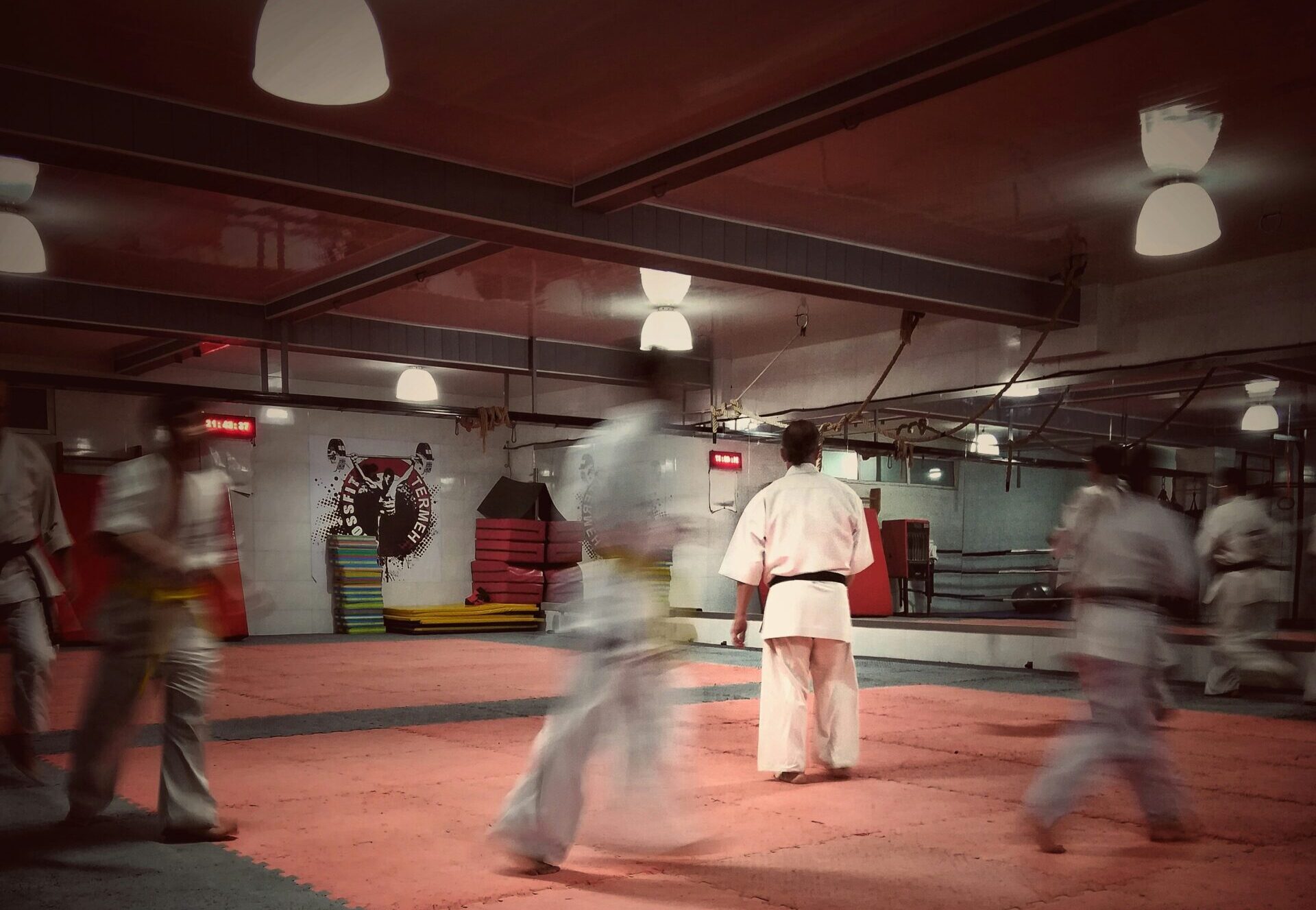

I TRAINED in Kyokushin Karate as a child. It’s one of the most physically demanding martial arts—full contact, no shortcuts. But even in its intensity, Kyokushin taught me restraint. We bowed before sparring. We respected our opponents. We learned that real strength wasn’t about overpowering someone—it was about mastering yourself. Martial arts, especially those rooted in Asian traditions, were built on discipline, humility, and the idea that fighting is a last resort.
Today, we look at the rise of cage fighting—UFC, influencer boxing, and viral brawls—and we see a different philosophy.
Fighters are marketed like gladiators. Bloodshed is celebrated. Knockouts are replayed like memes. The values many of us grew up with—respect, control, purpose—have been replaced by spectacle. And the audience? They’re not watching for technique. They’re watching for carnage.
I understand the appeal. Violence is primal. It draws crowds. It sells tickets and scores millions in sponsorships. Cage-fighting is a form of entertainment, many times bereft of context or ethics, building a society that celebrates recklessness and violence over reflection. That rewards brute force over wisdom. That forgets the very values martial arts were built on.
And now, we’re also seeing this culture seep into youth spaces. Just look at the recent Warzone World Championship in Malaysia. A promotional video showed children engaged in staged combat—on a public platform, in front of cheering adults. The event wasn’t even approved by the Sports Commissioner’s Office. No vetting. No safeguards. Just spectacle.
The Youth and Sports Ministry had to step in, warning organisers of legal consequences under the Sports Development Act.
Or take the DMA Islam vs. Abang Koroy boxing match. What began as a social media feud—sparked by DMA Islam’s comments mocking Masscomm students—escalated into a full-blown fight, staged at The Cage in Lalaport after the original venue at Dataran Merdeka was pulled by the Ministry.
It was marketed as a showdown, a grudge match, a viral moment between undisciplined fighters. And it worked. But what did it teach? That public humiliation is entertainment? That conflict resolution means fists and followers?
What does it say about us when children are pulled into combat theatre before they’ve even learned what combat means? When influencers settle scores with gloves instead of dialogue? When the line between discipline and danger is blurred for likes and virality?
Martial arts were meant to tame the warrior within. To teach us that real strength is quiet. That respect is earned, not enforced. That fighting is a last resort, not a first instinct. If we lose that, we’re not just changing sport—we’re changing society.
As it is, we’re already dealing with bullying in schools—physical, verbal, digital. When we glorify violence as resolution, we don’t just reflect that culture—we amplify it. We tell young people that domination is power, and humiliation is currency.
So maybe it’s time to ask: What are we really teaching? And who pays the price when we forget? – November 3, 2025
A. Azim Idris is the news editor at Scoop.