

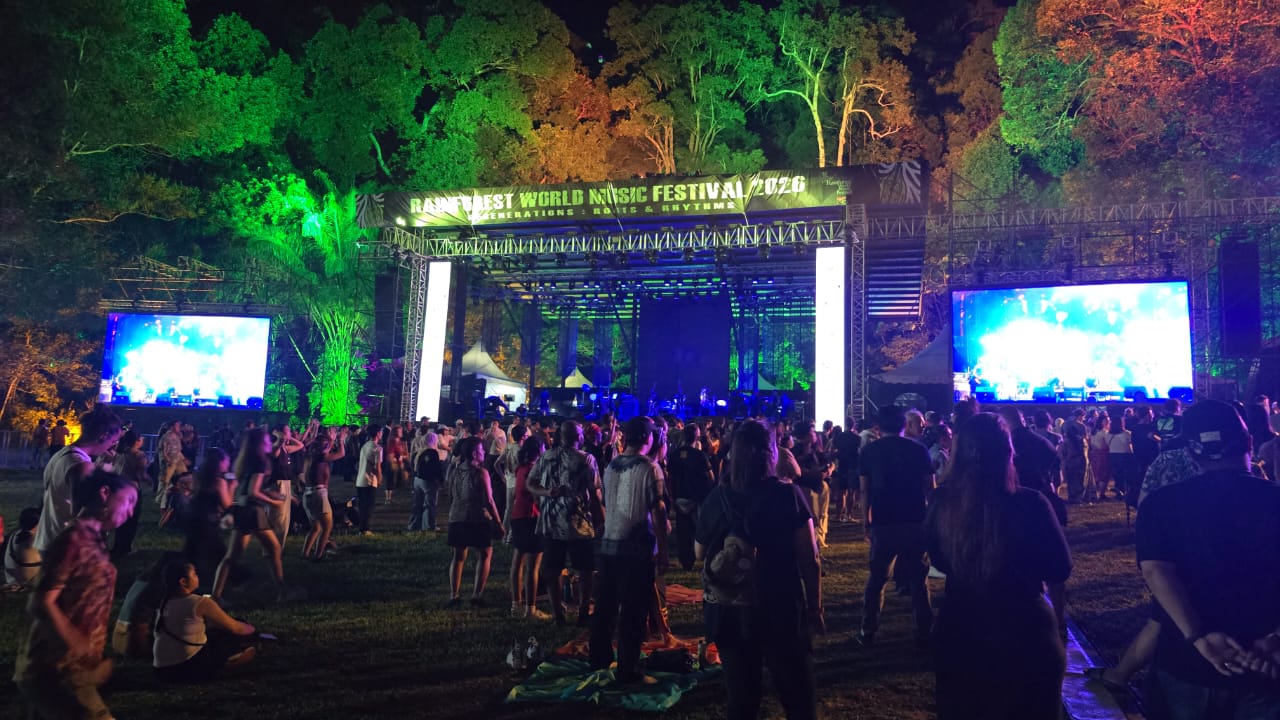
THERE is something quietly reassuring about the Rainforest World Music Festival. At a time when many large-scale music festivals are synonymous with overcrowding, drug and alcohol-fuelled revelry, and security concerns, the annual gathering at the foot of the legendary Mount Santubong offers something increasingly rare – a space where generations can share the same experience.
Young children danced on the festival grounds, teenagers drifted between workshops, parents explored local food and craft, while grandparents relived the music of their youth.
Tight security, bag inspections and sniffer dogs ensured a safe atmosphere, while recycling stations, reduced single-use plastics and other eco-conscious practices reflected the festival’s enduring commitment to culture, community and nature.
Yet perhaps the most fascinating story this year was not what happened on stage, but what
happened in front of it. The audience is changing.
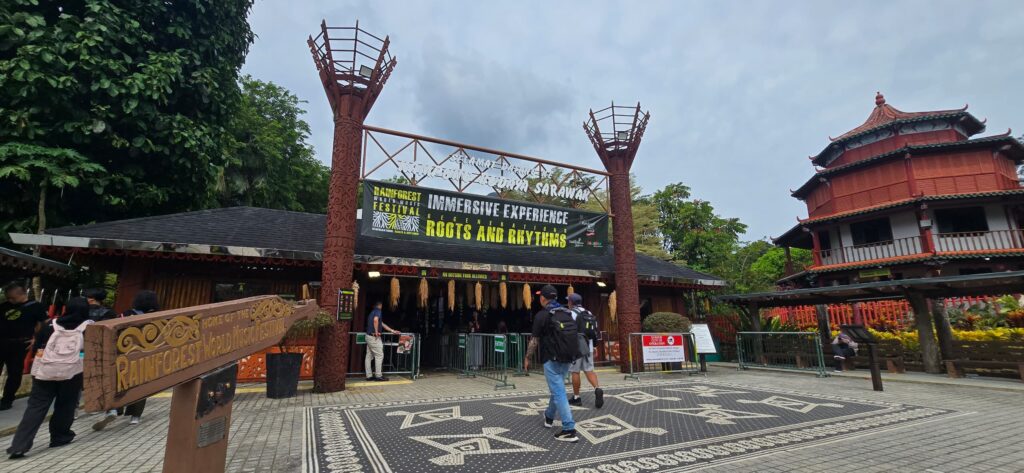
Conversations with festivalgoers suggested a larger regional crowd than in previous years, with many visitors arriving from Malaysia, Singapore, Brunei and Australia. Higher airfares and shifting travel patterns appeared to have tempered the number of long-haul international visitors. One noticeable shift was the growing presence of young festivalgoers from across the region, increasingly open to discovering music they had never encountered before, embracing unfamiliar sounds, languages and traditions with curiosity and enthusiasm.
That shift raises an interesting question. How should a festival with a 29-year legacy curate a programme that speaks to both long-time audiences and the next generation of
festivalgoers?
The answer may already be unfolding.
When Datuk M. Nasir took to the stage, thousands sang along almost instinctively. For many, his songs carry decades of shared memories across Malaysia, Brunei and Indonesia. For younger audiences, it may have been the sheer energy of his performance that proved equally infectious.
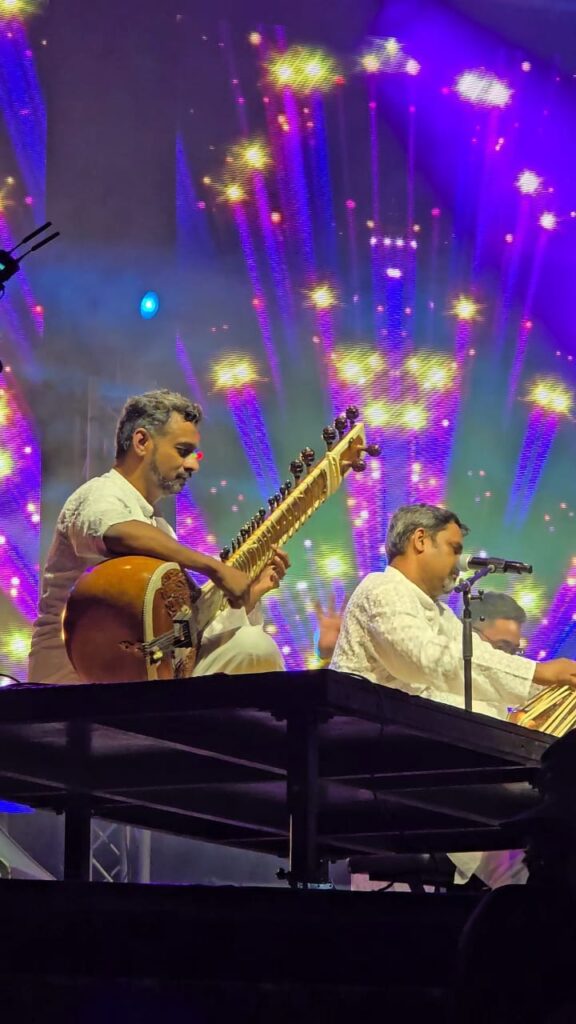
The following evening, The Commodores attracted more mature festivalgoers who had grown up with their unmistakable blend of funk and soul. Younger audiences danced
enthusiastically, even if many admitted afterwards, they recognised the groove more than the songs themselves. Incognito’s jazz-funk similarly found devoted admirers, though it
resonated most strongly with those already familiar with the genre.
Some of the loudest applauses however were for artists many had never heard of. Thailand’s Asia7 blended instruments once played in royal courts with contemporary
arrangements that transcended language. Malaysia’s Akasha fused percussion, guitars and keyboards into an energetic performance that captivated the diverse crowd. Drum Up from
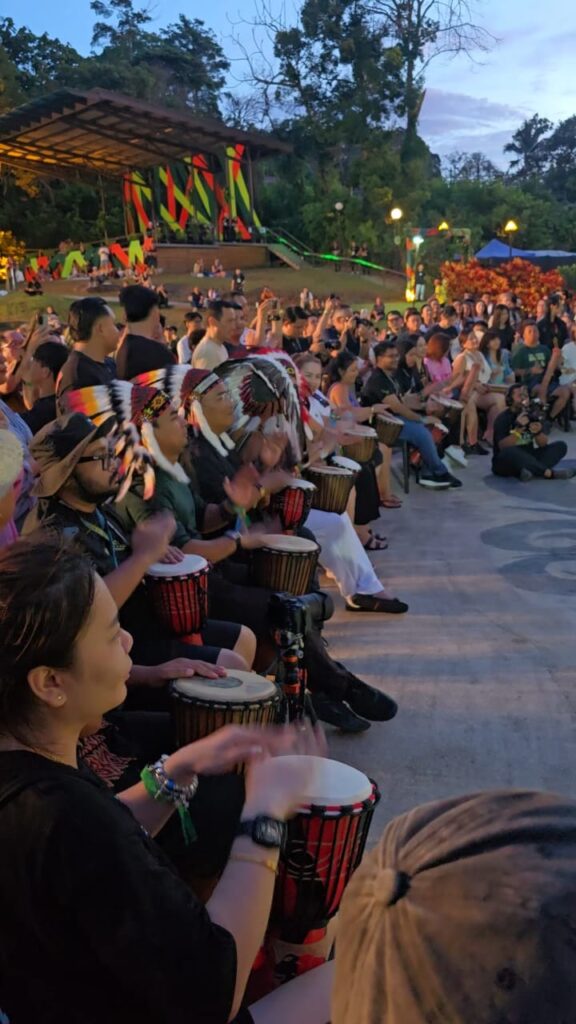
the Philippines demonstrated that heritage need not be confined to museums or textbooks,
with an interactive workshop that turned spectators into performers.
Alongside regional discoveries, this year’s programme also reflected a wider global and local spectrum, reinforcing RWMF as both a regional showcase and a meeting point between local heritage and global exchange. Acts such as Benin International Musical from Benin and Korrontzi from Spain brought contrasting traditions from beyond Asia, enriching the festival’s musical dialogue, while East Malaysian performers Ta’Dan and Straw Lim anchored the experience by reflecting the cultural depth of Sabah and Sarawak.
That willingness to experiment may be one of the festival’s greatest strengths.
Workshops scattered across the cultural village often drew crowds equal to the evening concerts. Visitors learnt indigenous dances, explored traditional instruments, met tattoo
artists interpreting age-old motifs and immersed themselves in experiences rather than simply watching from the sidelines.
Even the food reflected this spirit of reinvention. Local entrepreneurs served familiar Sarawak flavours with contemporary twists – gula apong ice cream, tuak- and langkauinfused gelato, and tropical fruit creations that drew long queues between performances.
Perhaps this points to the festival’s next challenge: not choosing between heritage and contemporary music, not choosing between legacy headliners and emerging regional acts,
but continuing to create spaces where both can thrive.
The Rainforest World Music Festival has never been simply about preserving tradition. It has always been about showing that traditions continue to evolve.
As its audience becomes younger, more regional and increasingly diverse, the festival’s greatest opportunity may lie in embracing that same evolution – curating programmes where nostalgia and discovery sit comfortably side by side, allowing every generation, from across the region and beyond, to find something familiar and something entirely new.
That balance may ultimately be what keeps the festival relevant for decades to come. – July 5, 2026
Maria J. Dass is a journalist, and travel blogger covering communities, culture, and heritage issues.