

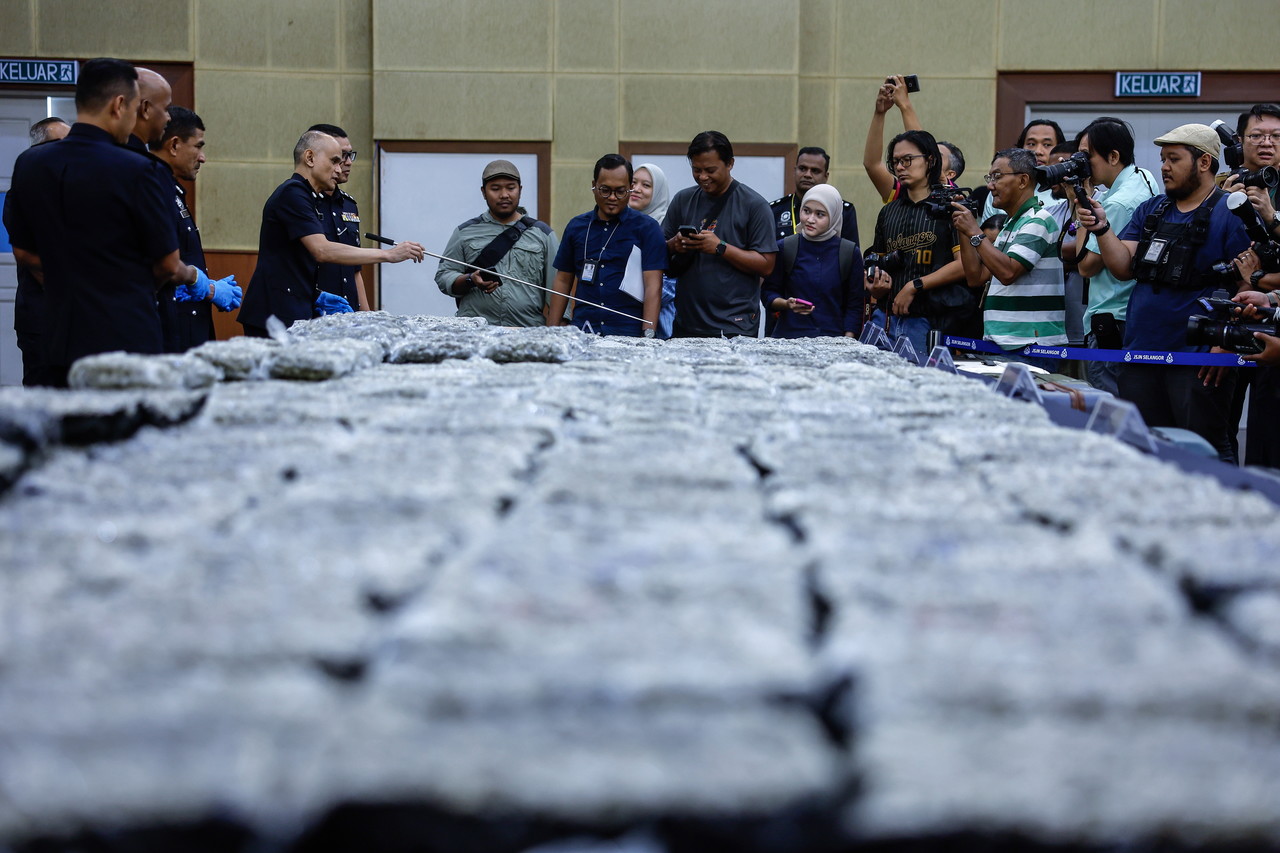
The recent string of drug-smuggling scandals at Kuala Lumpur International Airport (KLIA) culminating in a commercial pilot caught smuggling massive quantities of narcotics, exposed a glaring vulnerability in human-operated security systems.
As inquiries point toward insider corruption and compromised screening checks, the solution seems obvious: deploy specialized Narcotics Detection Dogs (K9 units). Unbribable, highly efficient, and unmatched in sensory precision, dogs represent the ultimate defense against sophisticated smuggling rings.
Yet, a deep-seated, distorted perception of canines continues to hinder their broader acceptance and deployment in Malaysia.
Criminal syndicates are masters of exploitation; they study a society’s systemic flaws and cultural blind spots long before planning an operation.
In Malaysia, drug networks have subtly capitalized on our national aversion to dogs, recognizing that local cultural discomfort creates security gates virtually free of canine patrols. Smugglers know that human operators can be bribed, coerced, or outsmarted through “counter-setting” schemes, while an electronic scanner can be intentionally ignored.
They bet on our reluctance to put working dogs on the frontline—and as multi-million-ringgit drug busts prove, that bet has repeatedly paid off. Criminals actively profit from what can only be described as an “unholy” vilification of an animal meant to protect us.
This societal contradiction was starkly highlighted by the tragic death of Rocky, a gentle community dog killed during a heavy-handed local council stray roundup.
The national outcry over Rocky’s death exposed a painful hypocrisy in the public consciousness. On one hand, dogs are routinely vilified, feared, or treated as unwanted nuisances subject to brutal culling.
On the other, society quietly relies on their extraordinary abilities when tragedy strikes, whether it is hero K9s like Frankie and Daker digging through landslide debris at Batang Kali or tracking dogs hunting down dangerous fugitives.
Malaysia’s stance stands in sharp contrast to other Muslim-majority nations, most notably Türkiye. In Turkish society, compassion for street animals is deeply woven into the urban and spiritual fabric.
Municipalities build shelters, provide food, and offer veterinary care to strays rather than resorting to destruction. Crucially, Türkiye seamlessly integrates working K9s across law enforcement, public transit, and airport security without compromising religious values or public piety.
They recognize what classical jurisprudence has long affirmed: using animals for protection, tracking, and detection (hifz) is not a compromise of faith, but a practical fulfillment of duty and stewardship.
Dogs play an integral, irreplaceable role in modern security and human society. Where human systems fail due to fatigue, error, or greed, a detection dog operates purely on instinct and loyalty.
By refusing to fully integrate canine units into our national infrastructure due to lingering prejudices, Malaysia forfeits one of its most reliable defenses while leaving the door wide open for organized crime.
Overcoming this bias is no longer just a matter of animal welfare; it is an urgent imperative of national security and integrity. Honoring the legacy of Rocky means dismantling the dangerous narrative that treats canines as inherently unclean or dispensable.
By taking inspiration from nations like Türkiye and recognizing dogs as invaluable partners in public safety, Malaysia can safeguard its borders, honor its spiritual duty of compassion, and ensure that criminals can no longer exploit our cultural blind spots knowing, above all, that all dogs go to heaven. – August 6, 2026
Remy Majangkim is an MA63 historian, researcher, activist and tutor