

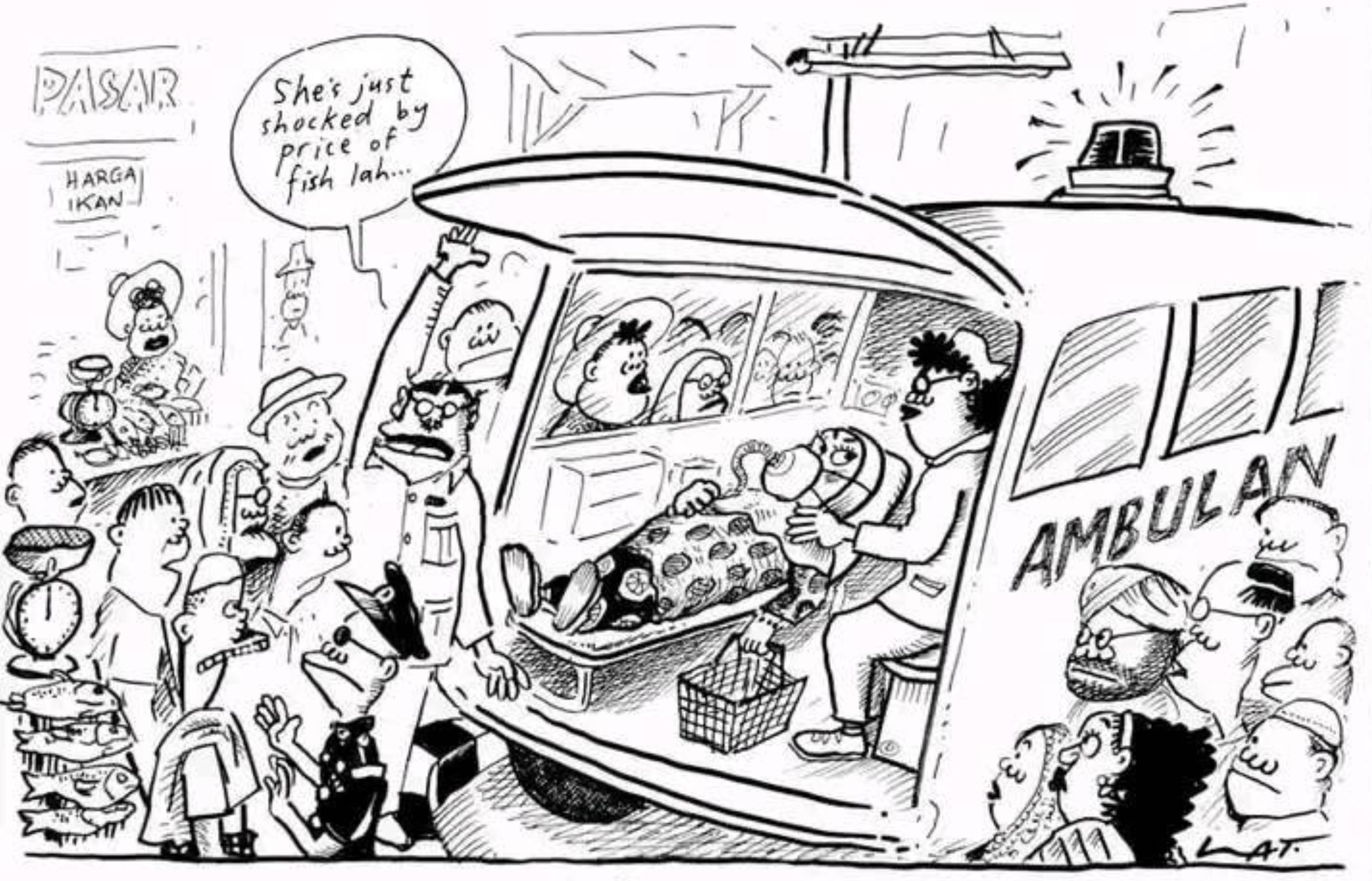
A VISIT to Galeri Rumah Lat in Batu Gajah is more than an outing to a museum. It is a journey into Malaysia’s shared memory, into kampung lanes, family homes, school compounds, coffee shops and neighbourhoods where people of different races, languages and faiths learned to live, laugh and grow together.
Over the Malaysia Day weekend, I visited this remarkable gallery and came away with a renewed appreciation for Datuk Mohd Nor Khalid, the Perak-born artist known to every Malaysian simply as Lat.
His drawings have been with us for decades. They have made us laugh at ourselves, reminded us of our childhoods, and captured the everyday scenes that are too easily forgotten as the country changes. His work is humorous, but never shallow; sharp, but never cruel. More than a cartoonist, Lat is a storyteller of Malaysian life. Galeri Rumah Lat gives that story a permanent home.
From Perak to the nation
Lat was born Mohd Nor Khalid on March 5, 1951, in Kampung Lalang, Gopeng, Perak. He grew up in the close-knit world of the kampung, a world that would later become the emotional core of much of his work.
It was a world of cousins, neighbours, village characters, schoolmates, family gatherings and simple pleasures. It was also a world where people knew one another, where humour helped ease hardship, and where daily life offered endless material for a young boy who was always watching.
Lat’s talent emerged early. He began drawing cartoons as a teenager, and his work was published when he was only 13. In 1968, Keluarga Si Mamat began appearing in Berita Minggu. The comic strip went on to run for 26 years, becoming one of the most familiar and affectionate depictions of kampung life in Malaysian popular culture.
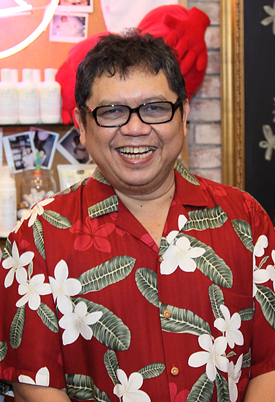
But Lat’s journey was not simply that of a gifted child becoming a famous artist. His experience as a journalist was equally important in shaping the artist Malaysians came to admire.
After completing school, Lat joined Berita Harian in 1970. In 1973, he became a crime-desk reporter with the New Straits Times. It may seem an unlikely route for a cartoonist, but the work gave him something that cannot be taught in an art class: a close and often painful view of real lives.
As a crime reporter, Lat covered accidents, fires and human tragedies. He met people in distress and saw how quickly ordinary lives could be overturned. He later described journalism as a profession that taught him courage and responsibility. It taught him to listen, to seek different perspectives and to understand the human story behind every incident.
Those lessons gave depth to his cartoons. Lat’s people are not merely funny sketches. They are recognisable, vulnerable and full of life. They worry about money, argue with family members, tease friends, deal with authority figures and dream of better days. They are Malaysians in all their warmth, confusion and resilience.
The art of recognition
The greatness of Lat lies in his ability to turn the ordinary into something unforgettable.
He did not need dramatic settings or distant heroes. He found inspiration in the familiar: a schoolboy’s mischief, a mother’s scolding, an elderly uncle’s opinion, a kampung gathering, a crowded town street or a conversation at a mamak stall. With a few lines, he could capture an entire personality. With one scene, he could bring back a whole period of Malaysian life.
His works, including The Kampung Boy, Town Boy, Mat Som, Lots of Lat, Lat’s Lot and Dr Who?, have become much more than cartoons. They are a record of the country’s changing social landscape, told with humour, humanity and affection. Lat’s cartoons bring Malaysians together because they recognise the country’s diversity without reducing people to stereotypes. Malays, Chinese, Indians and
Malaysians of every background appear in his work as neighbours, schoolmates, colleagues and friends. They share jokes, misunderstandings, frustrations and moments of kindness.
At a time when public life can sometimes feel divided, Lat’s work offers a valuable reminder: Malaysians have always had far more in common than we may realise.
His humour is especially powerful because it is not cruel. He makes us laugh at human vanity, bureaucracy, family drama and everyday foolishness, but he rarely strips his characters of their dignity. There is compassion in his caricature. He observes rather than condemns, and he encourages us to see ourselves honestly while still treating one another kindly.
That is why Malaysians of different generations continue to be overwhelmed by his art. Older visitors see their own childhood and a changing nation. Parents remember the cartoons they read when they were young. Children discover that life before smartphones and social media was no less colourful, chaotic or funny.
Lat’s contribution has received national and international recognition. He received the Fukuoka Asian Culture Prize in 2002, and in 2023 he was awarded the HAWANA Award for his contribution to journalism, public education and socially aware caricature. Sultan Nazrin Muizzuddin Shah also conferred the title Seniman Diraja, or Royal Artist, upon him at the opening of Galeri Rumah Lat in 2023.
Yet perhaps his greatest achievement is not an award. It is the deep affection of Malaysians who see their own lives reflected in his work.
A museum for the future
Galeri Rumah Lat, officially opened by Sultan Nazrin on July 8, 2023, is a thoughtful tribute to a national cultural icon.
The gallery was approved and funded by the Ministry of Tourism, Arts and Culture under the 11th Malaysia Plan. It was subsequently handed to the Perak state government through the Perak State Museum Board, which is responsible for managing the gallery, protecting the works and ensuring that Lat’s artistic legacy remains accessible to the public.
The project was completed in January 2022 and received RM3.81 million in development funding. More importantly, it represents recognition that cartoons are not a lesser form of art. They can preserve history, portray social life, educate the public and help a country understand itself.
The gallery traces Lat’s artistic journey from his early work onwards, while Rumah Lat, a traditional Perak Rumah Limas-style structure, houses personal and family collections. It also has a role as a place for exhibitions, research and cartoon-drawing workshops.
In that sense, Galeri Rumah Lat is not solely about the past. It is also about the next generation.
Young artists who visit can see that great art need not begin with privilege, expensive equipment or international exposure. It can begin with a pencil, a notebook and the willingness to observe everyday life closely. Lat’s career shows that a boy from Perak, and later a crime reporter who learned to listen to people’s stories, could become Malaysia’s foremost cartoonist.
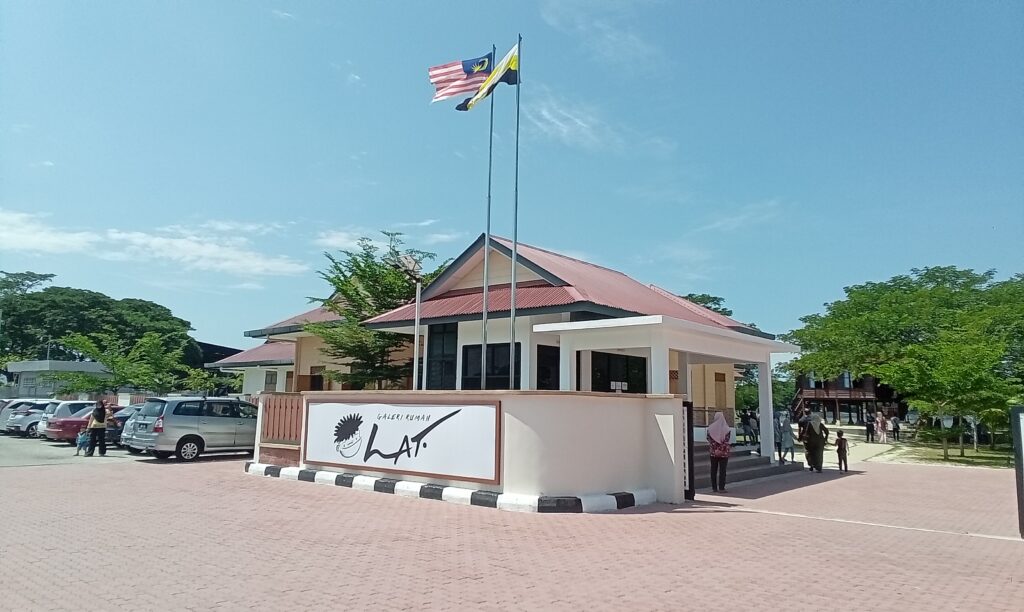
Every Malaysian should visit Galeri Rumah Lat. Bring children, parents and grandparents. Go with friends from different communities. Let the gallery spark conversations about family, memory, art and the Malaysia we have inherited.
By visiting and supporting institutions such as this, we also support the country’s future artists. We tell young illustrators, writers, cartoonists and creators that their stories matter; that their communities are worth documenting; and that Malaysian art deserves to be preserved, valued and celebrated.
Congratulations, dear Datuk Lat. Your pen has drawn Malaysians closer together. In every familiar face, crowded classroom and kampung scene, you have given the country a precious mirror, and shown us a Malaysia worth remembering, protecting and sharing. – September 17, 2026
Ravindran Raman Kutty is an award winning PR practitioner