

EVERY year on September 27, World Tourism Day invites us to look past simple statistics—to think beyond arrival numbers, check-ins, and standard itineraries.
Travel is far more than a physical crossing of borders. True tourism thrives in meaningful human connection: the stories shared over a meal, the ancient wisdom kept alive across generations, and the sacred spaces that linger in a traveler’s soul long after the journey ends. This is the heartbeat of unforgettable travel.
In this global conversation, Sarawak has a profound story to tell. Anchored by its internationally acclaimed Sarawak: Gateway to Borneo campaign, the state offers a distinctly Malaysian narrative. From ancient tropical rainforests dating back an estimated 140 million years to its life-giving rivers, Sarawak gracefully balances deep-rooted local history with a modern global outlook.
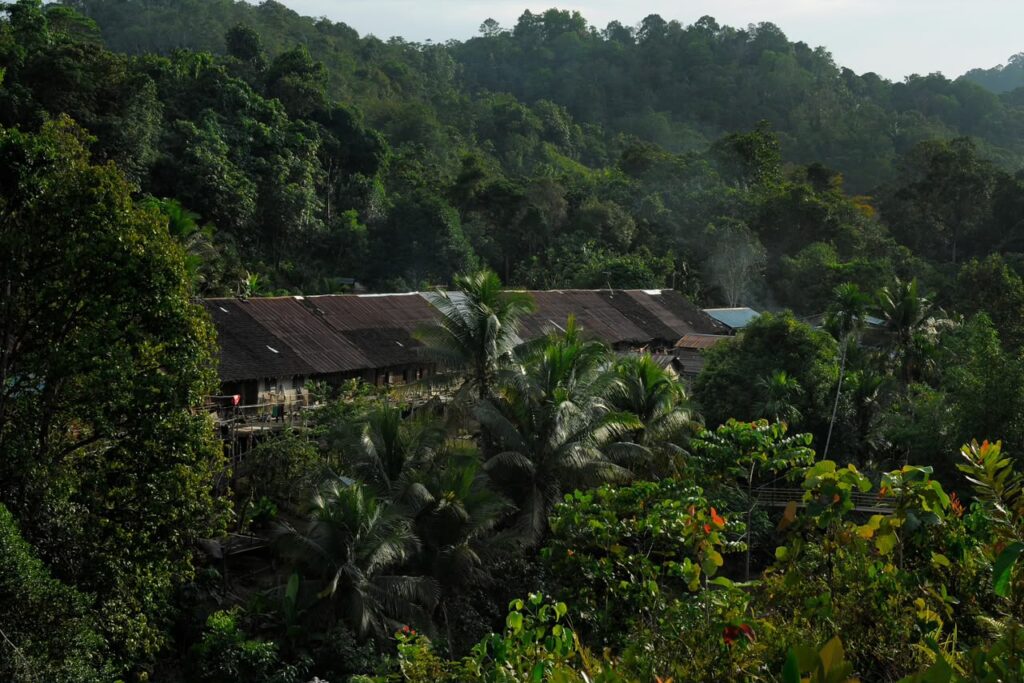
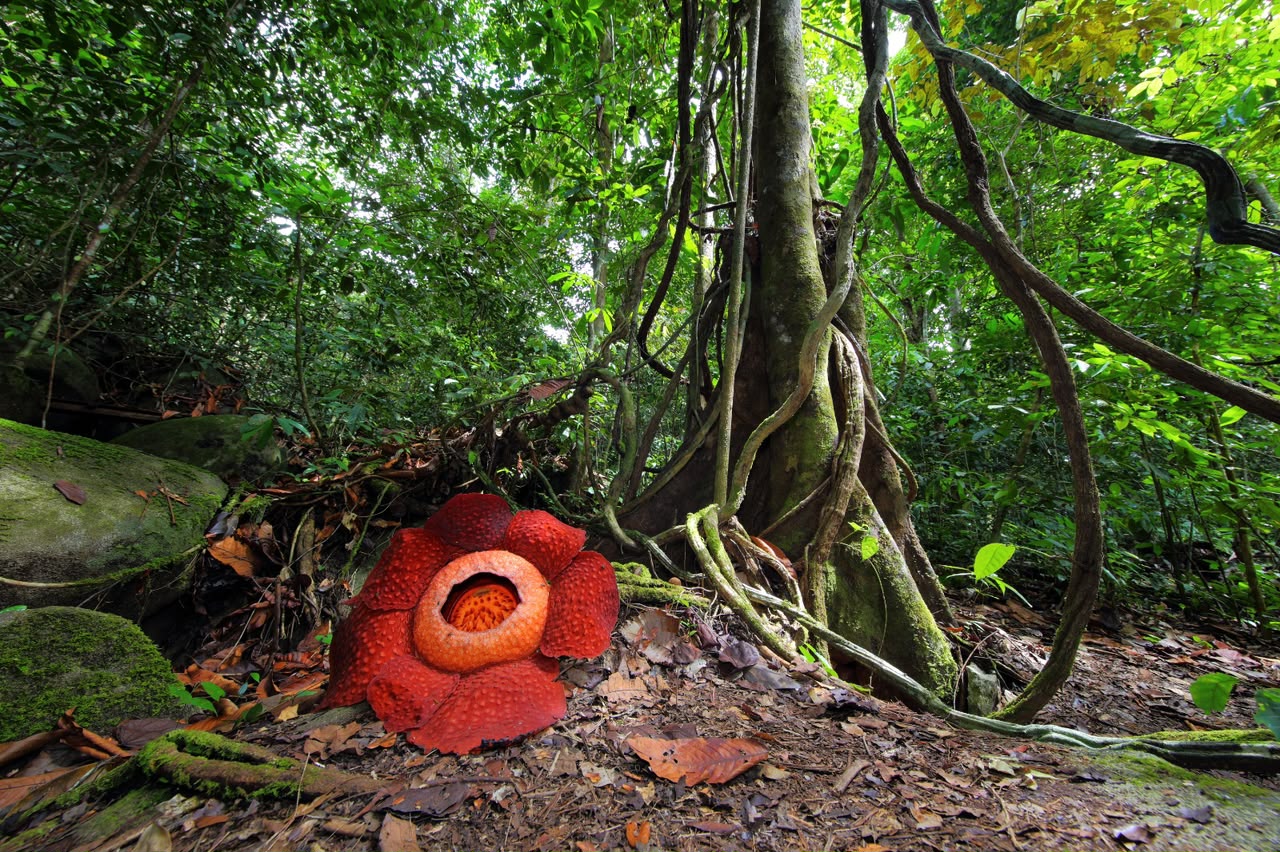
Picture raw wonder packed into a single destination: immersive longhouse stays with the Iban, the rhythmic weaving of sacred Pua Kumbu cloth, a rare Rafflesia blooming at Gunung Gading, the semi-wild orangutans of Semenggoh, and the dramatic, deep caves of Mulu. The Sarawak Delta Geopark, proudly designated as a UNESCO Global Geopark in April 2026, is the latest in a series of world-class attractions.
The recent PATA Travel Mart 2026 in Kuching served as a masterful showcase of this momentum. Gathering the Asia-Pacific tourism elite in the state capital, Kuching transformed into a crossroads for global industry minds. It was here, before hundreds of international buyers and decision-makers, that the Gateway to Borneo vision was fully unveiled. Every handshake exchanged beneath the rafters of the convention floor held the seed of a future partnership, a curated travel package, or a new lifelong ambassador for the region.
This visibility is a responsibility as much as an opportunity. As global eyes turn toward Sarawak, the state has a unique canvas on which to demonstrate what authentic, responsible tourism looks like in practice. The framework is already operational: from pioneering zero-emission hydrogen fuel cell buses on urban streets since 2020 to a dedicated regreening campaign driving toward a target of 10,000 trees planted by 2027.
In practice, sustainable travel means keeping indigenous communities at the absolute center of the economy—from vibrant local craft markets to community-led heritage festivals. It means cultural wisdom is shared with untamed authenticity rather than staged for a camera lens. It means treating Sarawak’s forests, rivers, and caves as living ancestral heritage to be protected, never as mere scenery to be consumed. Whether trekking the peaks of Mulu or dancing under the canopy at the Rainforest World Music Festival, guests depart with a rare realization: they have given something meaningful back to the land, rather than simply taking from it.
For Malaysia, Sarawak offers something particularly valuable: a place where nature, culture, food, and community are not separate tourism products, but interconnected parts of a unified visitor experience. That is perhaps the most powerful role the state can play. As travelers from around the globe arrive, they discover another face of Malaysia.
Sarawak offers an incredible journey of contrasts. Beyond the rugged coastline, travelers can wander through the ancient forests and beneath the dramatic sandstone cliffs of Bako National Park. Their journey takes them deeper into the heartland, where the warmth of Iban longhouse hosts awaits, before ascending into the mist-shrouded Bario Highlands to meet the Kelabit farmers tending to their emerald rice fields.
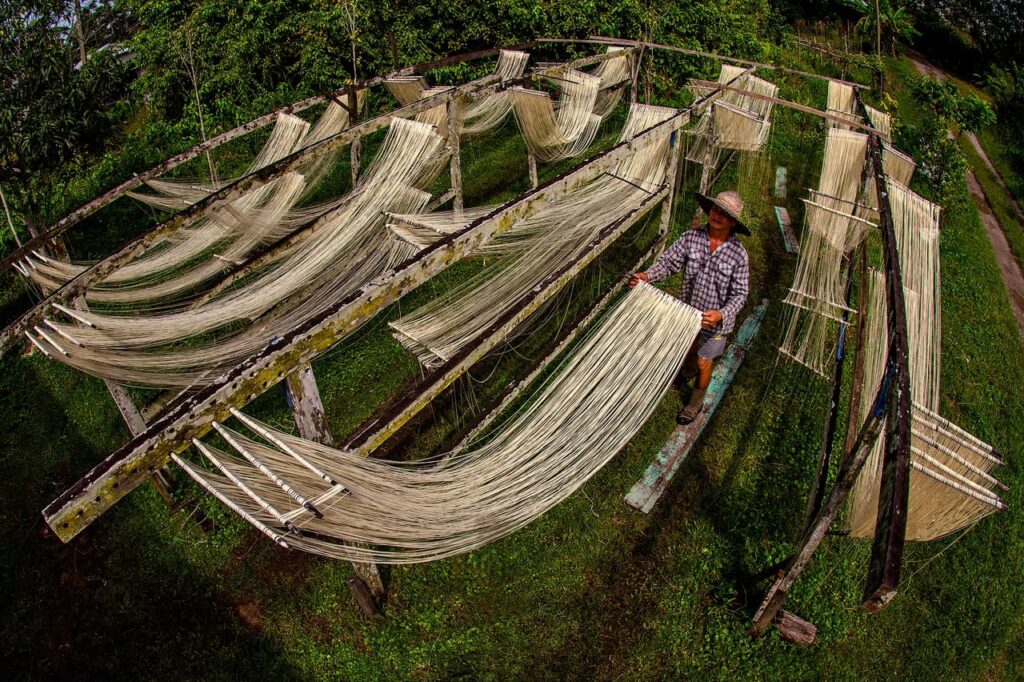
Along the way, the senses are treated to a steaming bowl of Sarawak Laksa—the legendary dish the late celebrity chef Anthony Bourdain famously crowned the “Breakfast of the Gods.” Step by step, travel diaries fill with encounters of living heritage, beautifully mirrored in the intricate threads of hand-woven Pua Kumbu cloth.
Without trying, travelers take home far more than fleeting memories; they carry away a profound understanding of Malaysia’s soul. Here, in a single destination, the vibrant spirits of 34 distinct ethnic groups—including the Bidayuh, Melanau, Penan, and Orang Ulu—come together, weaving their unique music, ancient crafts, and rich cuisines into a breathtaking cultural tapestry.
On World Tourism Day, Sarawak reminds us that tourism is not simply about inviting the world to our doorstep. It is about giving the world a reason to look at Malaysia differently. As the state prepares for continued growth, our greatest opportunity is not just to welcome a higher volume of visitors, but to ensure that tourism actively strengthens the communities, cultures, and pristine landscapes that make this destination so distinctive.
Sarawak holds something truly invaluable for the nation: a living, breathing expression of Borneo where nature, heritage, cuisine, and community converge into a single, seamless experience. – September 27, 2026
Ninot Aziz is an author with a passion for travel, heritage and culture.