


KUALA LUMPUR — Malaysia’s biggest obstacle in attracting corporate investment into sport is not a lack of opportunities, but the absence of a mature sponsorship culture where companies actively seek sporting partnerships, according to Road to Gold (RTG) programme coordinator Datuk Stuart Ramalingam.
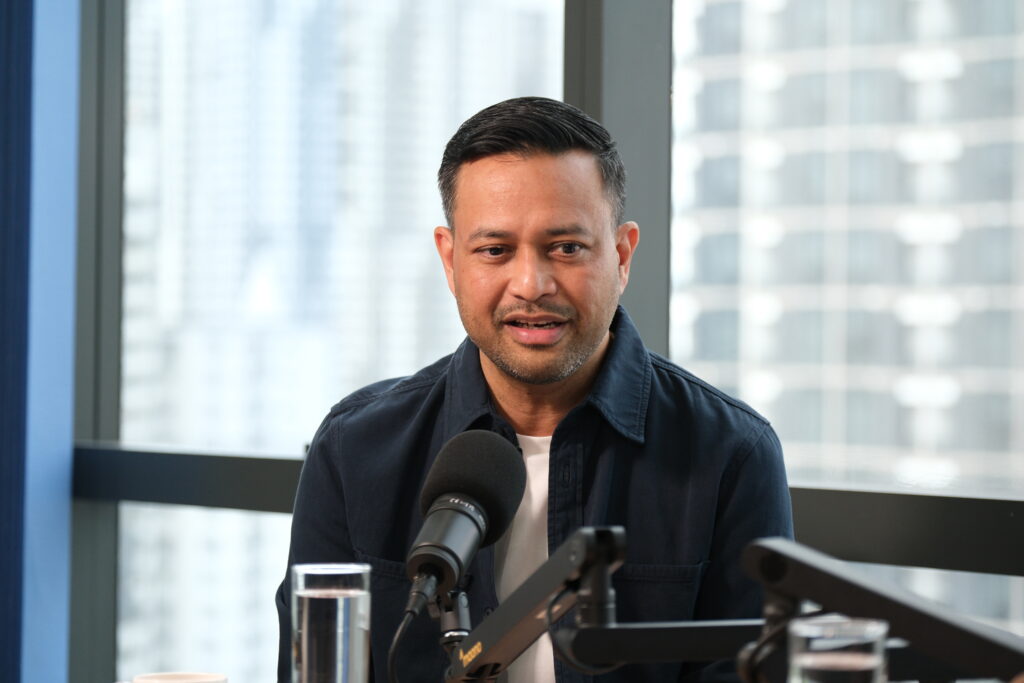
Speaking on Scoop’s Sport Check podcast, hosted by Scoop.my Executive Editor T. Vignesh, the former Football Association of Malaysia (FAM) secretary-general and Malaysian Football League (MFL) chief executive officer said Malaysia’s sports sponsorship ecosystem remains far behind more developed sporting nations.
“In Malaysia, it’s still a case of me having to go to you to convince you to invest in sport. Brands are not actively looking at sport,” he said.
“If you go to Australia, the UK, the US, Japan or Korea, sports sponsorship is standard practice. The corporate sector actively looks at where it wants to position itself, which sport it wants to own and where it can make the biggest impact.
“Many brands don’t necessarily choose the biggest sport. They choose the sport where they can become the only voice instead of just another voice in the crowd. They look for the sweet spot that fits their brand, consumers and values. Malaysia hasn’t reached that stage yet.”

Stuart, who now heads a sports commercial agency after leaving football administration, said perceptions are gradually changing as more companies begin associating sport with health, wellness and active lifestyles in the post-pandemic era.
“I work with brands I’m genuinely passionate about, and they are beginning to see that health, wellness, active lifestyles and sport are where they want to invest because that’s the future in a post-pandemic world.
“Everyone is becoming more health-conscious, eating better and exercising more. Keeping fit has become the new status symbol, and that has shifted brands towards viewing sport, wellness and healthy living as ideal marketing platforms.”
However, he stressed that companies should not view sport merely as a corporate social responsibility (CSR) initiative, but as a commercial platform capable of generating measurable business returns.
“Sport isn’t a one-way street where sponsors simply give money to sports organisations. Sports organisations must deliver value in return. They have to provide a business return on investment.
“Brands don’t sponsor sporting events just for exposure. Exposure matters, but ultimately they also want revenue. They want sponsorship to contribute to business growth.”
According to Stuart, many sports organisations still approach sponsorship as though they are asking for donations instead of presenting commercial partnerships.
“Companies invest in sport because they expect commercial value. That value could come through exposure, increased sales, stronger brand perception or other business outcomes. Ultimately, they want it to improve their bottom line.
“Today’s multinational CEOs are judged on profit and loss. If a sponsorship doesn’t contribute to company performance, why would they invest?
“Many companies prefer digital marketing or outdoor advertising because they can clearly measure the returns. Sport still hasn’t demonstrated that intrinsic commercial value to many businesses.”
Stuart also urged Malaysia to consider introducing stronger tax incentives to encourage greater private sector investment, pointing to successful models adopted elsewhere in the region.
“Singapore offers a 250 per cent tax deduction for sports sponsorship, while Chinese Taipei provides a 175 per cent deduction. Singapore also has matching grant schemes.
“Rather than simply giving sports organisations funding, governments create incentives for companies to sponsor sport. They’re teaching organisations how to fish instead of giving them fish.
“There are different models around the world to encourage corporate investment in sport, whether at the professional or grassroots level. The challenge is finding one that works for Malaysia.”
He believes stronger government policies, coupled with a more commercially minded approach from sports organisations, could transform Malaysia’s sporting ecosystem.
“If more sports organisations get it right, we will become more attractive. We become louder. We do our part.
“I believe more companies will come in. But sport has to stop treating sponsors as donors and start treating them as business partners. Only then can we build a sustainable commercial ecosystem for Malaysian sport.” – July 2, 2026