

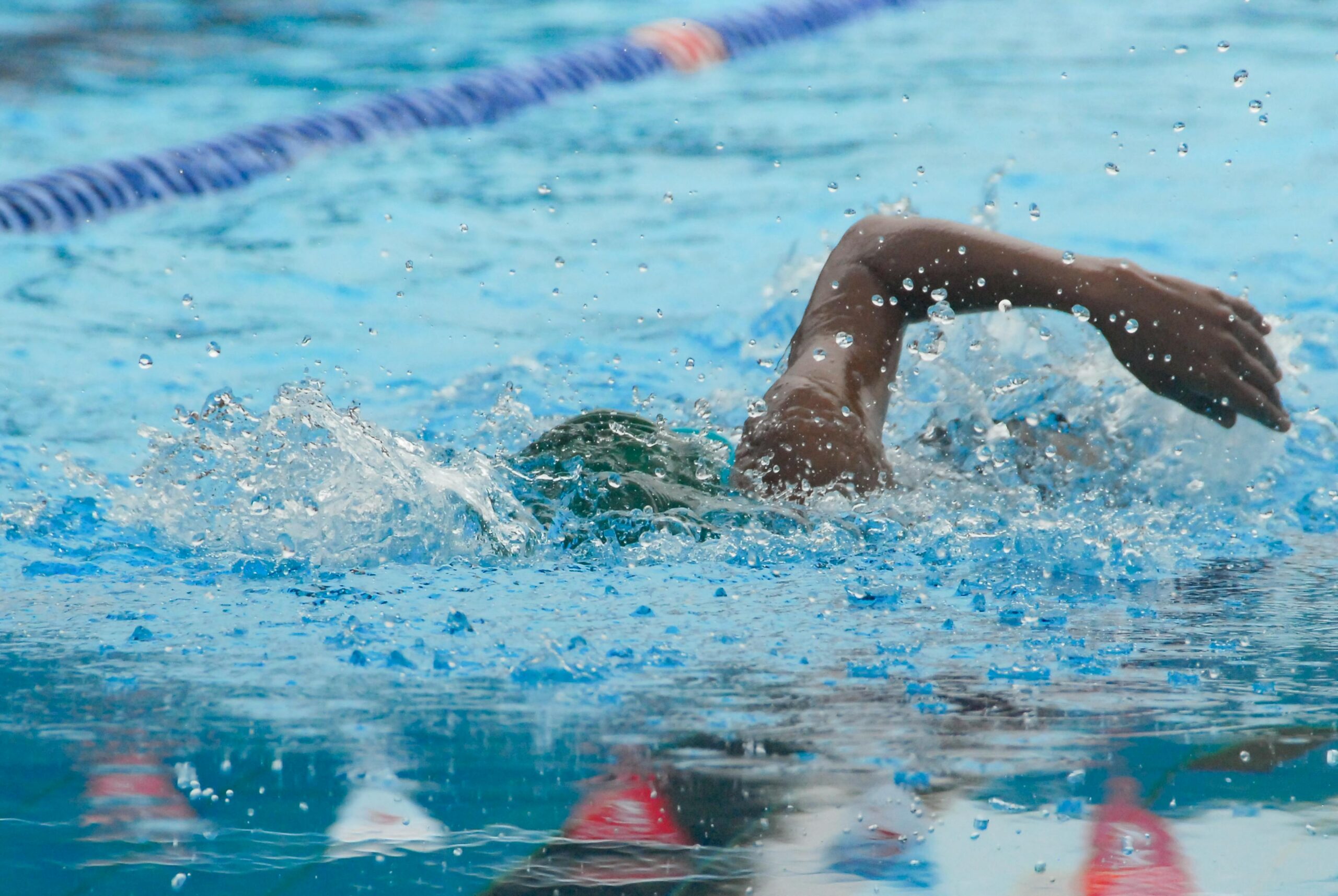

KUALA LUMPUR – Has Malaysia Aquatics (MAS) exhausted all options before turning to heritage swimmers?
MAS’s move to explore the recruitment of heritage swimmers has stirred debate over whether the national body is sidelining grassroots development in favour of a quicker path to international success.
According to recent reports, MAS swimming chairman Marilyn Chua confirmed that the association is in discussions to identify swimmers of Malaysian parentage based overseas who could potentially be naturalised and roped into the national setup.
The focus, she said, is on athletes with the potential to qualify for major competitions such as the Asian Games and Olympic Games.
While this approach mirrors strategies adopted in other sports, such as football, it has raised concerns over whether Malaysia has truly invested in developing its own swimming talent before turning to alternatives abroad.
Speaking to Scoop, veteran sports analyst Datuk Pekan Ramli said the concept of tapping into heritage talent is not new and, in principle, should not be dismissed.
“The plan is rather realistic and there’s no need to blow it out of proportion. The concept of heritage athletes is already practised in various other sports, and other countries do the same,” he said.
However, Pekan cautioned that MAS must remain sensitive to the morale and perception of local athletes.
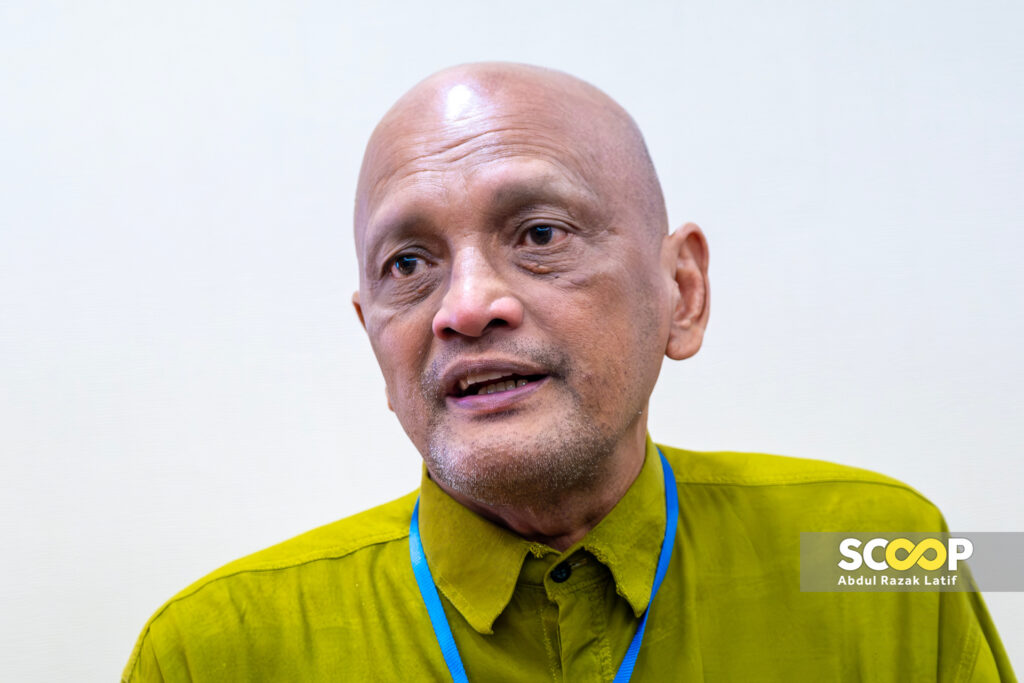
“The association must also be mindful of the sensitivities of homegrown talents. It gives the impression that MAS is becoming too desperate or has given up hope, hence making such a decision. Ideally, this should be a last resort — only after all local development efforts have been fully exhausted.”
He also questioned whether MAS had truly committed to building a robust grassroots pipeline, including scouting in rural and underserved areas.
“Have optimum efforts really been made? Has there been scouting at the grassroots, even in remote areas of Sabah and Sarawak?
“Is there a structured development pipeline already producing promising talents just waiting for exposure?
“If that full cycle is in place and Malaysia still fails to deliver, then perhaps the use of heritage swimmers is justified.”
On the physical demands of the sport, Pekan acknowledged the potential advantage of athletes of mixed descent — particularly those with European lineage — due to their physique.
“There’s potential in the genetics of Malaysian-European descent in producing athletes with stronger physiques. A tall build, long arm and leg reach — these are huge advantages in swimming.”
Nevertheless, he emphasised that naturalisation should not be pursued merely for appearances or short-term gains.
“We must thoroughly screen these heritage swimmers. Only those with real potential to excel at the Asian Games or Olympics should be considered. If they’re only good enough for the SEA Games, it’s better to focus on developing local talent.”
He pointed to Singapore’s Olympic champion Joseph Schooling — whose mother is Malaysian — as proof that success through heritage links is possible.
“Even our neighbour Singapore won Olympic gold, and that was from a swimmer with Malaysian lineage. So nothing is impossible for us, really.”
Pekan stressed that for such a strategy to succeed, MAS must back it with proper planning and realistic targets.
“It would be wise to implement a strategic plan with a clear and logical timeline for when targets can be achieved. Otherwise, this programme could end up being a wasted effort.”
While MAS has yet to name any potential recruits, it is understood that swimmers based in Australia, the United States, and the United Kingdom are being considered. No agreements have been finalised to date.
As Malaysia continues its search for a breakthrough in international swimming, the debate remains: should heritage swimmers be embraced as an opportunity — or do they reflect a system still struggling to deliver? — July 2, 2025