


KUALA LUMPUR – Malaysia is charting an ambitious course for its national football team, aiming to achieve world-class status and secure consistent World Cup appearances within six to ten years after 2030.
Despite recent controversies over player naturalisation, Youth and Sports Minister Hannah Yeoh said the government remains committed to the Football Association of Malaysia’s (FAM) 12-year “F:30” roadmap, which targets a top-five Asian ranking by 2030.
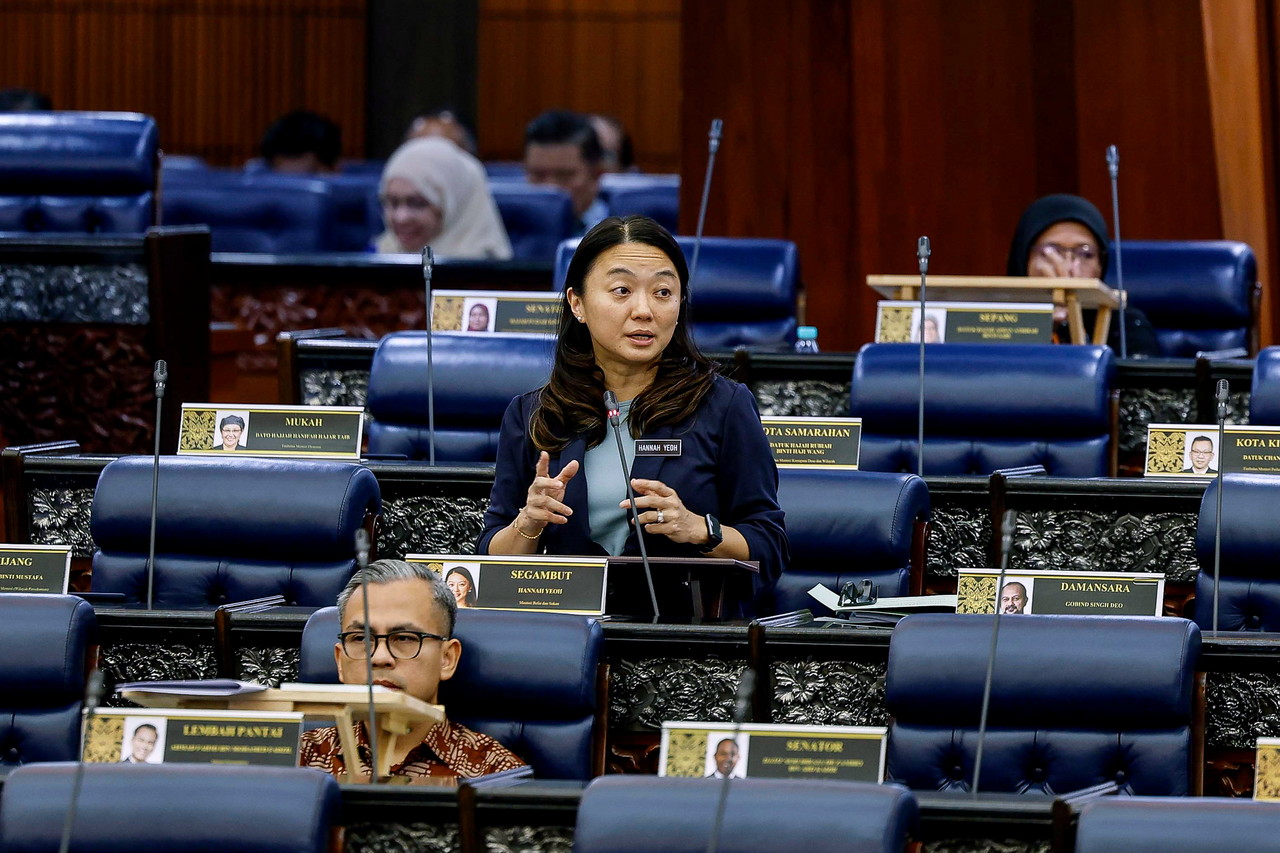
“The 12-year roadmap is divided into three strategic phases. The first phase, from 2019 to 2022, focused on establishing a solid foundation in governance, competitions, human capital development, and infrastructure,” she said in a parliamentary reply yesterday.
“The second phase, spanning 2023 to 2026, aims for the team to compete effectively at the Asian level. The final phase, from 2027 to 2030, targets the creation of a truly world-class national team,” she added.
Hannah was responding to a question from Wan Hassan Mohd Ramli (PN-Dungun) on the ministry’s short-, medium-, and long-term plans with FAM to ensure the national squad has a clear path towards World Cup qualification.
Looking beyond the F:30 roadmap, she said the main objective over the following six to ten years would be to make Malaysia a nation that qualifies for the World Cup consistently.
“To achieve this, efforts will focus on setting clear World Cup participation targets and cultivating successive generations of players.
“In addition, we will strengthen financial and organisational stability, enhance Malaysia’s international influence, improve FIFA rankings, and implement continuous research and innovation,” Hannah said.
Regarding medium-term plans covering the next three to five years, Hannah said the focus would be on increasing competitiveness at the Asian level and establishing a sustainable player development system through consolidated academies and talent recruitment.
“This includes strengthening a more competitive and structured domestic league, fostering professionalism in sports, developing high-standard infrastructure and training facilities, and expanding international collaboration,” she added.
For short-term planning within one to two years, the minister said efforts would prioritise building strong foundations and improving immediate competitive readiness through tactical rebranding and intensive national team training.
“This also involves raising the level of international competition, enhancing player fitness, utilising supporting technologies, improving player management systems, and managing financing and resources more effectively”. – November 11, 2025