

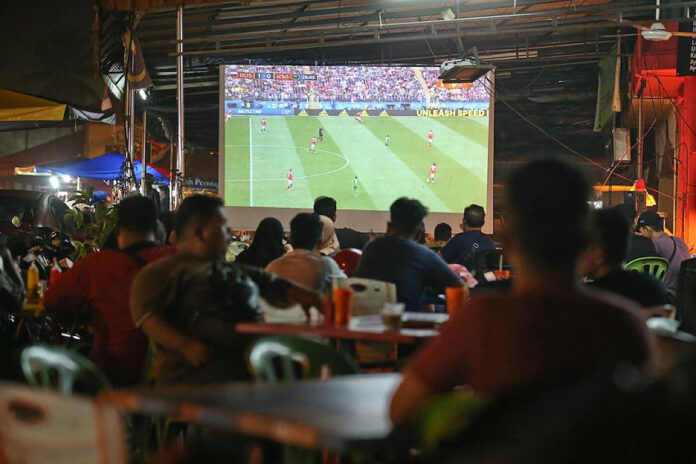
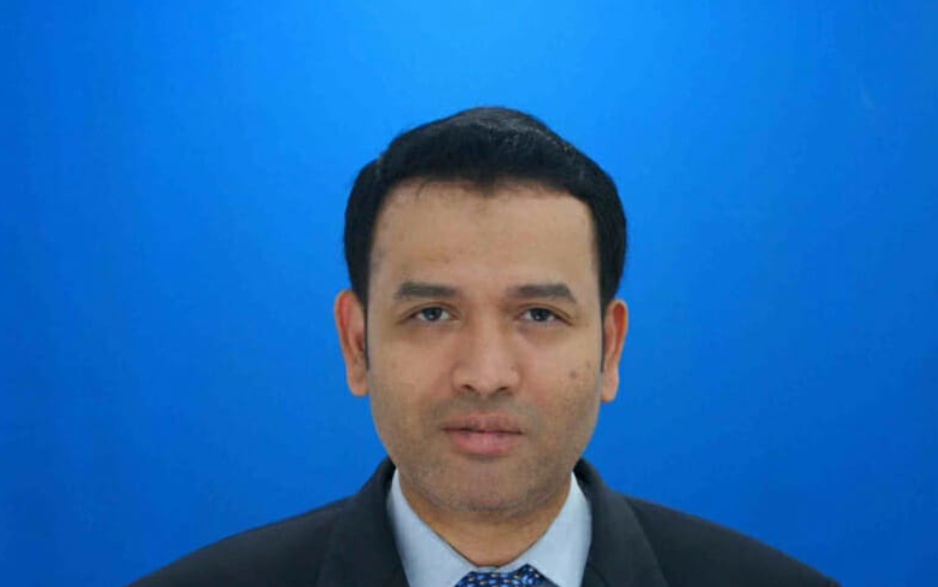
KUALA LUMPUR – Malaysia could forgo between RM70 million and RM180 million in direct economic activity if it fails to secure broadcasting rights for the FIFA World Cup 2026, with the broader spillover potentially exceeding RM200 million to RM300 million, according to senior analyst and consultant at Global Asia Consulting, Samirul Ariff Othman.
Speaking to Scoop, Samirul said the losses would primarily stem from reduced communal viewing culture and weaker footfall in food and beverage outlets during match nights.
“In broader terms, including multiplier effects, the total economic activity forgone could exceed RM200 million to RM300 million,” he said, noting that the World Cup functions as a short-term consumption catalyst rather than a traditional tourism driver for Malaysia.
He explained that while the benefits of the tournament are dispersed across the economy, the financial burden of securing broadcasting rights is heavily concentrated on broadcasters, creating what he described as a “coordination problem” between commercial viability and national economic gain.
Samirul said Malaysia could expect between RM120 million and RM300 million in additional consumer spending during the tournament, potentially rising to RM300 million to RM400 million in a strong uptake scenario, driven largely by spending in mamak restaurants, cafés, sports bars, delivery platforms and retail outlets.
However, he cautioned that the 2026 edition, staged across the United States, Canada and Mexico, may see a muted impact due to unfavourable time zones, with many matches likely to be played late at night or early in the morning in Malaysia.
He added that small businesses would feel the impact most acutely, particularly mamak outlets and sports cafés that depend on late-night crowds and extended operating hours during major football tournaments.
“The World Cup creates synchronised viewing moments. Without that, you lose group outings, late-night dining and ancillary spending such as e-hailing and convenience retail,” he said.
Samirul also estimated that Malaysia could lose between RM20 million and RM60 million in advertising and sponsorship activity if the tournament is not broadcast locally, while warning of “economic leakage” as fans shift towards illegal streaming platforms.
He said the multiplier effect of World Cup-related spending typically ranges between 1.4 and 1.8 times direct expenditure, meaning even modest consumption spikes translate into significantly larger economic activity.
On employment, he noted that the impact would be modest but real, particularly affecting part-time and casual workers in the food and beverage sector, where match-day demand typically drives overtime and temporary hiring.
He further suggested that a public-private consortium model involving broadcasters, telecommunications companies, sponsors and possibly government participation could be explored to address the high cost of rights.
“The World Cup should not be seen purely as entertainment. It functions as a short-term economic catalyst. The real question is how that value is structured, shared and financed,” he said.

However, economist Geoffrey Williams of Williams Business Consultancy dismissed concerns over any wider economic impact, arguing that the tournament holds limited commercial relevance for Malaysia.
“Nobody cares. Malaysia does not take part. Only bars and pubs show it. Anyone who wants to watch can subscribe to an international channel,” he said.
He added that local broadcasters would struggle to justify the RM200 million rights fee, citing weak demand and limited subscription capacity.
“Astro is struggling financially, RTM has no budget for this. There is no chance of them meeting the fee. They would never recover this from subscription income,” he said.
He argued that there would be no meaningful damage to bars, hotels, tourism or employment if Malaysia were to skip broadcasting the tournament, suggesting that the economic impact has been overstated.
The debate comes amid growing uncertainty over whether Malaysia will secure rights to the 2026 FIFA World Cup, with FIFA reportedly demanding around RM200 million for the expanded 48-team tournament hosted across North America.
Astro Malaysia Holdings has seen declining profits and rising costs, while RTM’s historical coverage has been limited to selected matches, raising questions over affordability and commercial viability.
With negotiations reportedly stalled and the tournament drawing closer, stakeholders now face a difficult question: whether the World Cup remains a commercially justifiable broadcast investment, or a national consumption event whose value extends beyond the balance sheet.
Adding to the concern, Malaysia is not alone in facing this dilemma. India — the world’s most populous nation with an estimated 1.47 billion people is reportedly in a similar position, with no official broadcaster confirmed thus far for both the 2026 and 2030 World Cup editions.
Across the Causeway, however, Singapore fans are already assured of full coverage after Mediacorp secured rights for world’s biggest football competition. – April 13, 2026