

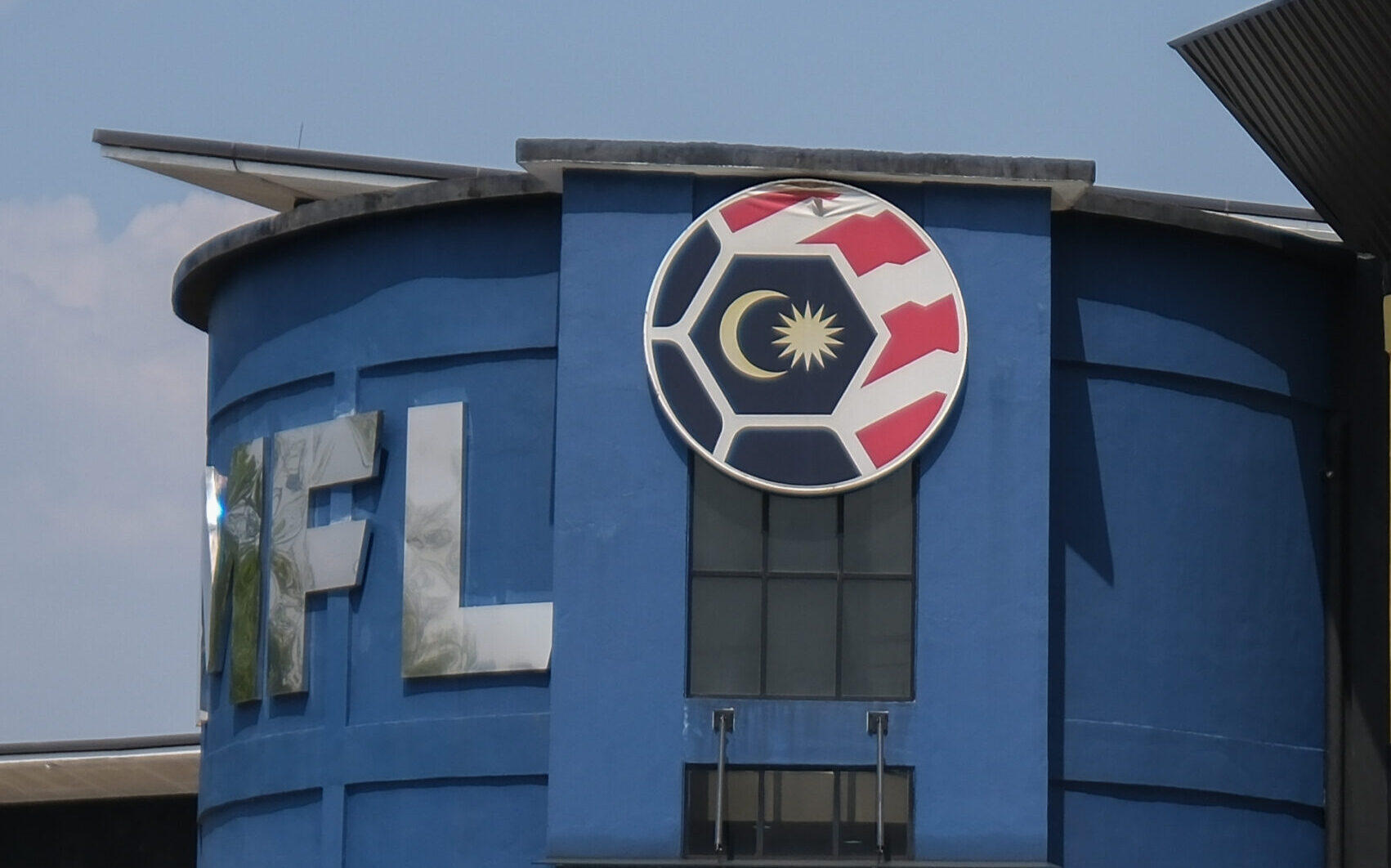

KUALA LUMPUR – The Malaysian Football League (MFL) is facing renewed scrutiny over its effectiveness as the nation’s domestic football authority, with analysts raising concerns over its decision-making independence, long-term strategy, and continued dependence on external figures for solutions.
Senior sports analyst Datuk Pekan Ramli delivered a pointed critique of the league’s governance, warning that MFL has often been reactive rather than proactive in managing crises within Malaysian football.
“Clearly, this issue shows that MFL has been more reactive in nature, although it is attempting to shift towards being proactive after coming under pressure,” he said.
“MFL has often acted only after clubs face chronic salary crises or after being reprimanded by higher authorities such as the Regent of Johor, Tunku Ismail Sultan Ibrahim, or the Asian Football Confederation (AFC). Many of the actions taken, including disciplinary measures, are implemented only after issues have dragged on.”
His remarks follow a recent MFL roundtable involving club representatives and stakeholders, convened to tackle financial and structural challenges in domestic football.

During the session, Tunku Ismail, owner of Johor Darul Ta’zim, presented a reform blueprint to enhance financial sustainability and governance. The move sparked criticism on social media, with fans questioning MFL’s apparent reliance on him to outline solutions rather than leading reforms internally.
The roundtable reportedly addressed club finances, revenue generation, broadcasting rights, and the long-term structure of domestic competitions, reflecting ongoing efforts to stabilise the football ecosystem.
Pekan questioned whether MFL’s reliance on externally driven ideas signals deeper structural weaknesses.
“I am not certain MFL has a consistent long-term plan that is followed and understood by all stakeholders,” he said.
“Take the Japanese Football League as an example. They have had a 100-year plan since 1992, aiming for 100 professional clubs across multiple divisions. We only have 13 teams in the Super League, and only a few are truly professional. So is this a sustainable structure?”
He also noted that MFL’s decision-making is heavily influenced by internal pressures, leading to inconsistent policies.
“The pressure comes from within its own stakeholders, especially those with vested interests. MFL lacks the strength to stand independently, which is why it is forced to compromise. As a result, decisions are often seen as inconsistent and are frequently accused of bias. Transformation requires courage to act without waiting for approval from certain parties.”
Pekan stressed that Malaysian football should not depend on individuals to drive reform.
“This is not about individuals. Why should Malaysian football depend on figures to drive change? MFL should be a professional league operator. It is not owned by any individual,” he said.
He added that urgent reform is required to restore credibility, attract corporate confidence, and rebuild supporter trust.
“MFL must prove it is professional, independent and has integrity. It must present a sustainable business model, save struggling clubs, and ensure transparency and fairness to bring fans back to stadiums,” he said.
Senior sports analyst Sadek Mustaffa echoed these concerns, attributing MFL’s long-standing financial and structural weaknesses to outdated systems and ineffective revenue-generation strategies.
“The establishment of MFL was expected to generate and manage financial resources effectively to support competing teams. However, this has not happened, and the league has become subdued due to wider socio-economic changes,” he told Scoop.
Sadek highlighted the league’s reliance on traditional sponsorships and the shortage of personnel skilled in attracting new commercial opportunities.
“MFL’s dependence on traditional sponsors, combined with the lack of experienced human capital, has limited its financial growth,” he said.
He also criticised internal practices, suggesting underperforming personnel continue within the system.
“There are cronies within the system who do not contribute much. They are aware of it but continue to pretend efforts are being made, although results are not as expected,” he said, calling for a comprehensive overhaul of talent and systems.
“MFL needs a new engine with new technology and new human capital capable of adopting modern approaches in technology, expertise and delivery systems aligned with current and future generations,” Sadek added.
He emphasised that reform should focus on institutional strengthening rather than any single figure.
“It is not about a figure. It is about the failure of MFL to function as a strong, authoritative organisation capable of working effectively with strategic partners. What is needed is expertise in sports business economics that can take MFL to a more competitive and efficient level.”
With both analysts highlighting similar concerns, pressure is mounting on MFL to demonstrate greater independence, a clearer long-term direction, and a more sustainable framework for Malaysian domestic football. – May 2, 2026