

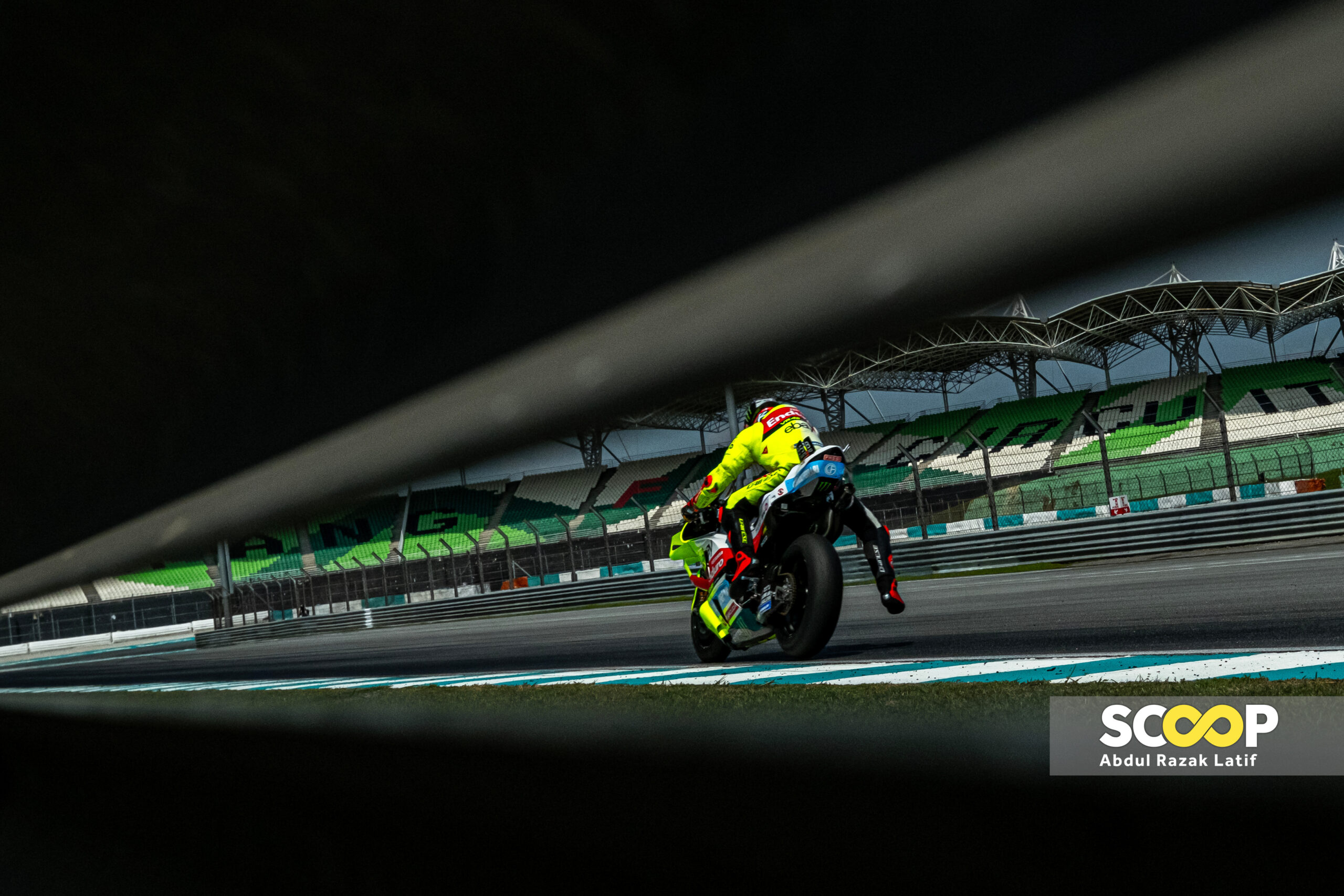

KUALA LUMPUR – Malaysia’s decision to retain its place on the MotoGP calendar until 2031 should be viewed as a long-term strategic investment rather than simply the cost of hosting a world-class sporting event, with analysts arguing the championship continues to generate significant economic returns while strengthening the country’s motorsport ecosystem.
The government recently approved a five-year extension for the Malaysian Motorcycle Grand Prix at the Sepang International Circuit (SIC), securing the race on the MotoGP calendar from 2027 to 2031.
Malaysia has hosted MotoGP since 1999, with the Sepang round widely regarded as one of Asia’s premier motorsport events.
Senior sports analyst Datuk Dr Pekan Ramli described the extension as a strategic national investment that has consistently delivered benefits beyond the sporting arena.
“Malaysia’s decision to extend the MotoGP hosting contract at the Sepang International Circuit until 2031 is, in my view, a worthwhile strategic investment for the country.
“We know MotoGP has generated returns on investment many times over. Although I do not have the exact figures, the event has consistently produced an annual economic impact worth tens of millions of ringgit.
“Hosting MotoGP is more than organising a sporting event. It is a strategic investment that enables Malaysia to maintain its position as a leading motorsport hub at both the regional and global levels,” he told Scoop.
Pekan said the championship’s impact extends well beyond race weekend, creating a ripple effect across tourism, hospitality, local businesses and employment.
He said the event attracts thousands of international visitors and motorcycle enthusiasts every year, boosting hotel occupancy, transport services, and the food and beverage sector, particularly in Sepang, Selangor and Kuala Lumpur.
The UiTM Faculty of Sports Science and Recreation senior lecturer added that MotoGP also creates more than 4,000 temporary jobs during race week, spanning event management, technical operations, logistics and opportunities for small and medium enterprises (SMEs).
Pekan said the government’s return on investment should not be measured solely through direct revenue, but also through broader key performance indicators (KPIs), including tourist spending, year-round utilisation of the circuit for testing and commercial activities, as well as SIC’s ability to attract private sponsorship and reduce its reliance on public funding.
He also dismissed suggestions that funding allocated to MotoGP should instead be redirected entirely towards grassroots sports.
“We only have MotoGP left as Malaysia’s global sporting ambassador. We cannot afford to lose one of our country’s most valuable sporting assets.
“This is a long-term investment whose value should not be judged purely on short-term financial returns.
“Grassroots development and MotoGP should complement one another. A world-class event such as MotoGP can stimulate greater public interest in motorsport, while its economic returns can be channelled into developing young talent and strengthening grassroots programmes,” he said.
Pekan added that Malaysia was already seeing the dividends of sustained investment, pointing to the emergence of riders such as Hakim Danish and Qabil Irfan, as well as the growing involvement of local mechanics, engineers and telemetry specialists in international racing teams.
He said the country’s long-term success should ultimately be measured by its ability to produce a rider capable of consistently challenging for a world championship while ensuring SIC becomes increasingly self-sustaining through stronger corporate investment and sponsorship.
Meanwhile, senior sports analyst Sadek Mustaffa said the government’s decision came at the right time, with Malaysia’s motorsport development beginning to bear fruit.
He cited the rise of teenage sensation Hakim Danish as evidence that the country’s grassroots pathway is producing world-class talent.
“The emergence of Hakim Danish as a champion two weeks ago is proof that Malaysia possesses one of its brightest young prospects, despite him being only 18 years old.
“Continuing to invest in Moto3 and retaining MotoGP until 2031 is the right decision because it will keep Malaysian fans coming to Sepang while inspiring the next generation,” he said.
The Universiti Teknologi MARA (UiTM) senior sports science lecturer described MotoGP as a prime example of the “experience economy”, saying the championship stimulates tourism, hospitality, retail, local businesses and employment in much the same way other major international sporting events drive economic activity.
He said while the government had made the necessary investment, businesses across the tourism and hospitality sectors must also capitalise on the opportunities created by MotoGP through a coordinated national effort.
“The success of Hakim Danish proves grassroots development is already producing results through initiatives such as Petronas’ motorsport programmes.
“These efforts must continue seamlessly from grassroots level right through to the international stage,” he said.
Sadek said he remained confident Malaysia has the talent to produce future MotoGP stars, stressing that sustained support from both the public and the media will be vital in maintaining the sport’s momentum. – July 3, 2026