

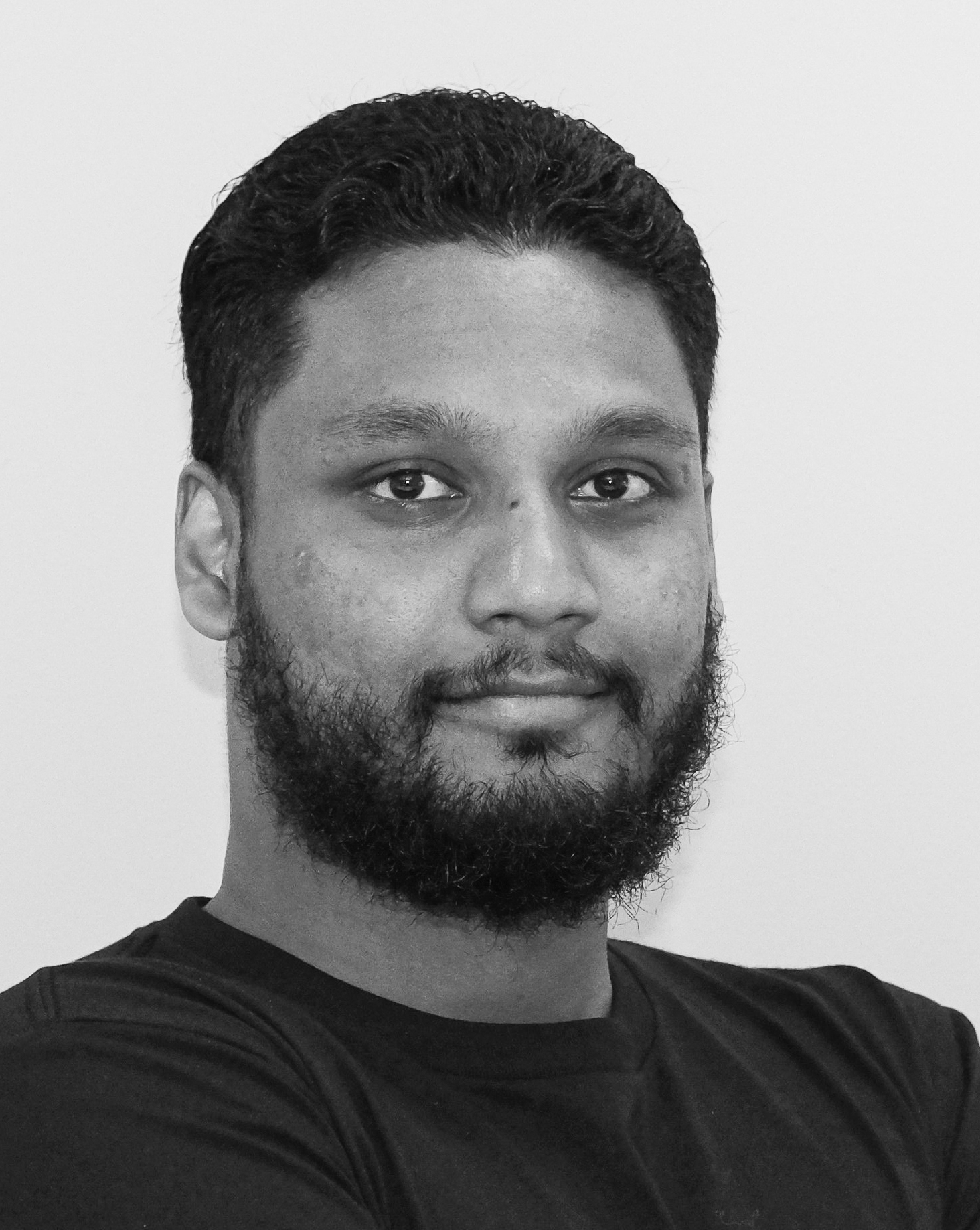
KUALA LUMPUR — The Selangor government’s complaints over an alleged lack of federal funding for this year’s Malaysia Games (SUKMA) have come under fire, with senior sports analyst Sadek Mustaffa questioning how such a dispute could arise when the state and federal governments are politically aligned.
Sadek, who described the situation as “surprising” and one that “simply does not make sense”, said the funding issue should never have spilled into the public domain, arguing that closer cooperation been between the two administrations should have prevented any breakdown in preparations for the country’s premier multi-sport event.
Speaking to Scoop, Sadek said Selangor, as the host of this year’s SUKMA, should have worked closely with the Youth and Sports Ministry (KBS), the National Sports Council (NSC) and the Selangor State Sports Council to ensure preparations were properly planned and financed well ahead of the Games.
“It is surprising and it does not make sense because both governments are politically aligned.
“As the host state, Selangor should have worked closely with KBS, the NSC and the Selangor State Sports Council to ensure SUKMA preparations proceeded smoothly.
“There should have been a specific allocation for preparations, particularly for a host state, with additional support from the federal government where necessary. The commitment should come from both governments,” he said.
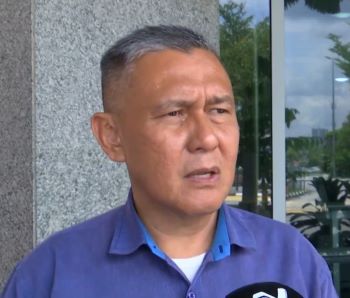
Sadek was responding to Selangor Youth, Sports and Entrepreneurship Committee chairman Mohd Najwan Halimi, who recently claimed that the state had yet to receive the federal funding it expected for this year’s SUKMA despite repeated engagements with Putrajaya.
Najwan said previous host states had received stronger financial backing from the federal government, citing Sarawak, which received around RM300 million in federal funding when it hosted the 2024 edition of the Games.
He said Selangor had instead been informed that Putrajaya’s support would come in the form of access to federal sports facilities, technical expertise and operational assistance rather than a direct financial allocation, leaving the state to shoulder a greater share of the hosting costs.
While acknowledging that disparities in SUKMA funding had existed since the Games were introduced, Sadek said differences in budgets should never come at the expense of developing quality athletes.
“There has always been an imbalance in SUKMA budgets from one state to another. However, the priority must remain the quality of athletes produced to represent Malaysia at the highest level.”
Describing sports funding as a long-term investment rather than an expense, Sadek called on the federal government to adopt a bolder approach to developing Malaysian sport.
“Sport is an investment in human capital that delivers long-term returns for the country. The federal government needs a clear and courageous policy, similar to the importance placed on education.
“The government should be prepared to allocate RM3 billion annually for the overall development of Malaysian sport across all disciplines if it is serious about producing world-class athletes.”
He said sustained investment was crucial as athletes require years of development before reaching the highest level.
Despite the ongoing funding row, Sadek maintained that SUKMA remains highly relevant, although he said sports development cannot depend solely on government funding.
“Private companies and major corporations must also play a greater role in developing sport instead of only sponsoring athletes after they have qualified for the Olympics or won medals.”
The funding dispute should not distract from SUKMA’s primary objective of producing Malaysia’s next generation of elite athletes, he added.
“At its core, SUKMA was established to identify, expose and nurture Malaysia’s sporting talent before they progress into higher-performance programmes such as the Podium Programme.
“The financial challenges faced by certain state contingents stem largely from weaknesses in state-level financial planning and management. Since SUKMA is now held every two years instead of annually, state governments should have sufficient time to plan and prepare their budgets accordingly,” he said.
He said every state government had a responsibility to invest consistently in athlete development instead of treating SUKMA as a short-term exercise.
“Every state government must have a clear policy for developing athletes within their respective contingents. With systematic planning and proper coordination, no SUKMA contingent should face financial uncertainty.
“Sport should form part of every state’s broader human capital development agenda because it produces healthy, disciplined and resilient young people alongside education, especially now that Malaysians are eligible to vote from the age of 18.”
At the same time, he said the federal government must continue to lead Malaysia’s long-term sports development agenda.
“The policy must continue to be backed by the federal government. The biggest constraint is that the Youth and Sports Minister has not shown enough courage or focus.
“There is too much emphasis on standing in front of the cameras celebrating successful athletes instead of building the system that produces champions.”
KBS has maintained its position that federal government’s assistance for SUKMA 2026 would come in the form of facilities, expertise and operational support as part of broader cost-saving measures.
Deputy Youth and Sports Minister Mordi Bimol said Putrajaya will contribute approximately RM1.75 million for technical and operational support for the Games, while Selangor has also sought to reduce expenditure by maximising the use of existing sporting venues.
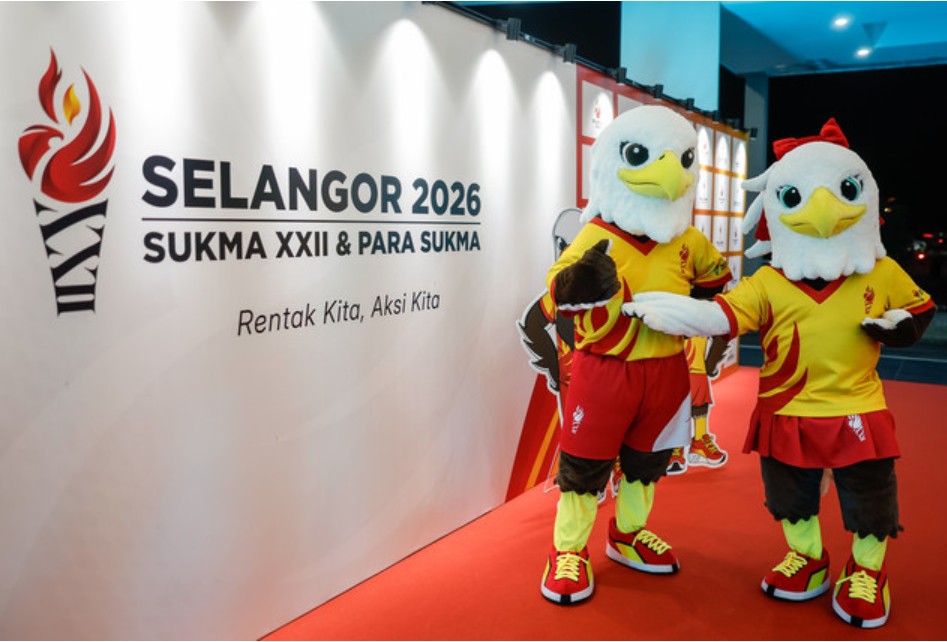
Selangor will host the 22nd SUKMA from Sept 12 to 20, with more than 11,000 athletes and officials expected to compete across 39 sports. It will be the state’s first time staging the biennial Games since 1998. — August 8, 2026